
Beautiful Plants For Your Interior
Beautiful Plants For Your Interior
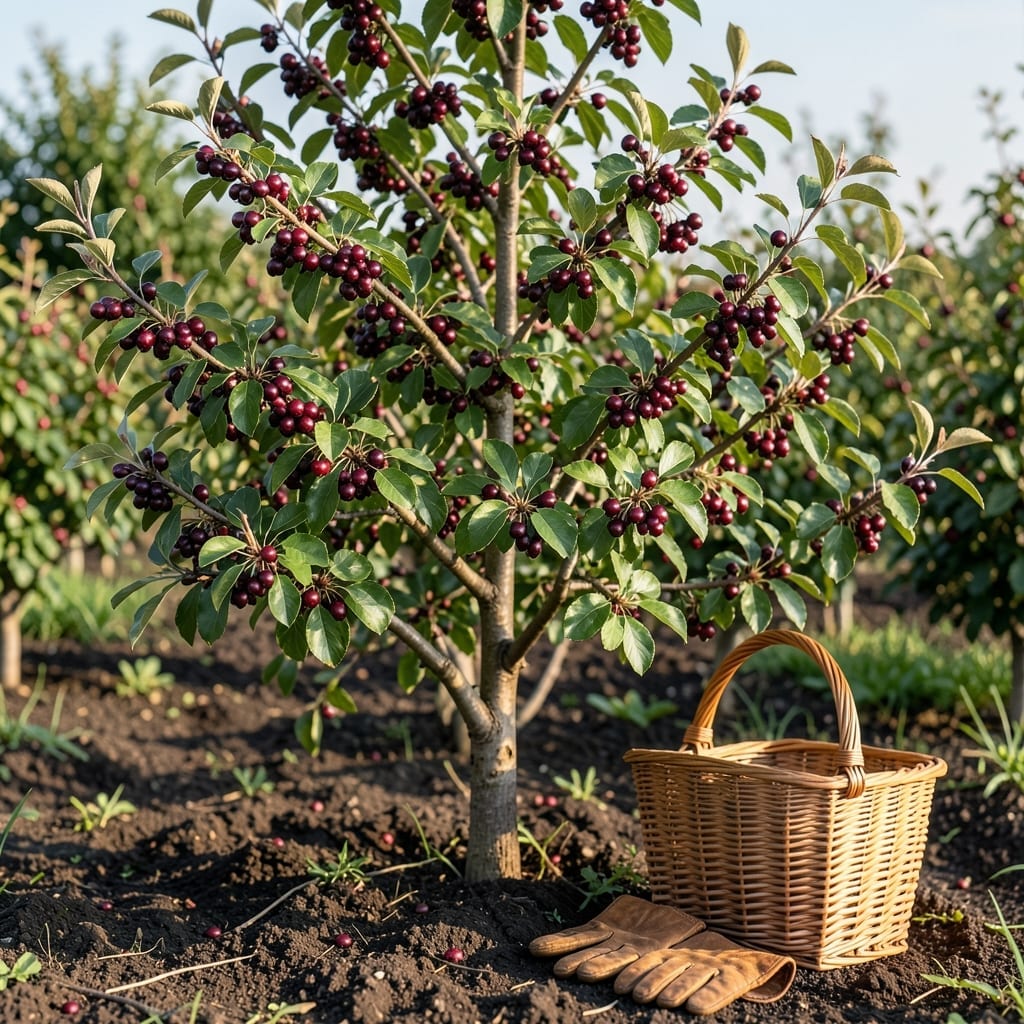
There’s nothing more frustrating than picking chokecherries only to find they’re too bitter or already past their prime. The 🍒 Chokecherry season is short, and timing your harvest perfectly makes all the difference.
In zones 2-7, you’ll typically see these berries ripen from August to September. But knowing the exact moment they’re ready requires a little know-how. Visual cues and taste tests are your best tools for success.
I’ll walk you through the most reliable signs of ripeness, from color changes to texture. You’ll learn how to avoid the common mistakes that leave gardeners with subpar fruit.
Discover how to pick chokecherries at their peak for the best flavor, whether you’re using them in recipes or leaving them for wildlife to enjoy.


I always watch for the deep purple-black color that signals chokecherries are nearing ripeness. Early in the season, they start as bright green and transition through red shades before reaching their final hue. This color change is your first visual clue.
The cluster appearance also matters. Ripe chokecherries hang in dense, drooping clusters that look almost heavy with fruit. If they’re still tightly packed and upright, they’re likely not ready yet.
| Visual Sign | Ripe Chokecherry | Not Ready |
| Color | Deep purple-black | Red or green |
| Texture | Slightly soft | Hard and firm |
| Stem Attachment | Easily detaches | Difficult to remove |
| Cluster Shape | Drooping | Upright and tight |
I check the stem conditions too. When chokecherries are ripe, they’ll detach easily from the stem with just a gentle tug. If you’re struggling to pull them off, they’re not ready for harvest yet.
Regional variations affect timing. In cooler climates like USDA zones 2-4, chokecherries typically ripen in late August. Warmer zones 5-7 often see ripe fruit by mid-July through early September.
The berry size isn’t the best indicator alone. While ripe chokecherries are usually 1/4 to 1/3 inch in diameter, some varieties stay small even when fully ripe. Always combine size with other visual cues.
I’ve noticed that wild chokecherries often ripen slightly later than cultivated varieties. This is because wild plants may grow in less ideal conditions with more competition for resources.
Another sign is the glossy appearance. Ripe chokecherries develop a slight sheen, while unripe ones often look dull. This is especially noticeable when sunlight hits the clusters just right.
Finally, I recommend daily checks once you notice the first color changes. Chokecherries can go from perfectly ripe to overripe in just a few days, especially during warm weather.
🌿
I always tell gardeners that color alone isn’t enough to confirm chokecherry ripeness. While deep purple-black berries are a great start, the real test comes from taste and texture. A perfectly ripe chokecherry should have a balanced sweet-tart flavor with just a hint of astringency.
When I gently squeeze a berry, it should feel slightly soft but not mushy. If it’s rock hard, it’s not ready. Overripe berries will be too squishy and may ferment quickly. The juice should flow freely when you bite into it, indicating peak ripeness. 🌿
One common mistake I see is harvesting based on berry size alone. Chokecherries don’t necessarily get sweeter as they grow larger. Instead, focus on the color progression from red to deep purple and the texture changes. I recommend testing a few berries from different clusters.
For the best results, I always harvest in the cool morning hours when the berries are firmest. This helps preserve their quality during storage. Remember that wild chokecherries may ripen unevenly, so check multiple berries before picking an entire cluster. ☀️
If you’re unsure, leave the berries for another 2-3 days and test again. Chokecherries ripen relatively quickly once they start changing color. Just be sure to beat the birds to them – they love ripe chokecherries as much as we do!
Finally, don’t forget that fully ripe chokecherries will detach easily from their stems. If you’re struggling to pick them, they’re likely not quite ready. This simple test can save you from harvesting a batch of underripe berries. 🌱