
Beautiful Plants For Your Interior
Beautiful Plants For Your Interior
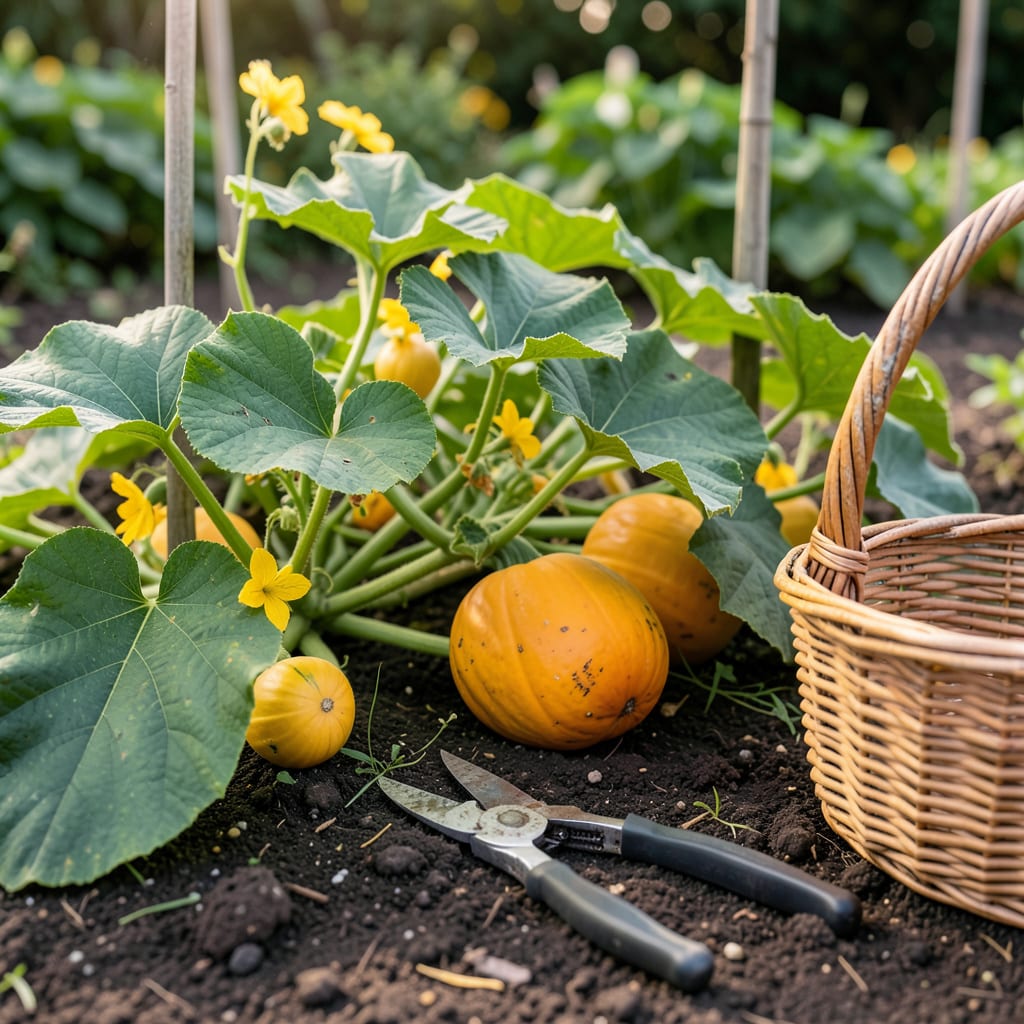
As I gaze out at my garden, I’m reminded that knowing when to harvest 🎃 Butternut Squash is crucial for optimal flavor. The difference between a sweet, nutty squash and a bland one lies in timing.
In USDA Zone 6, Butternut Squash is typically ready in September or October. I’ll guide you through the signs of ripeness and tips for harvesting at the perfect moment.


When growing butternut squash, understanding the signs of readiness is crucial for optimal flavor and texture. The key indicators include skin hardness, color change, and stem condition. These visual cues signal that the squash has reached maturity 🎃.
To help you identify when your butternut squash is ready, I’ve compiled a summary of the critical signs. The following table outlines what to look for.
Butternut squash typically takes 80-100 days to mature after planting. In USDA Zone 6, this means you can expect to harvest between September and October. Monitoring your squash regularly during this period is essential to catch them at the right time 🌾.
One of the most reliable indicators of readiness is the hardening of the skin. When the squash is mature, the skin will be difficult to pierce with a fingernail. This is a critical check because it directly correlates with the squash’s readiness for consumption 🔍.
Another sign is the color change to a deep orange. This indicates that the starches have converted to sugars, enhancing the flavor. It’s essential to wait until the color is uniform and vibrant, as this signals peak ripeness 🟡.
The condition of the stem is also a telling indicator. A dry, brown stem suggests that the squash has fully matured and is ready to be picked. This is because the plant has stopped providing nutrients to the fruit, signaling it’s time to harvest ✅.
Understanding these signs helps ensure that you harvest your butternut squash at the optimal time, resulting in the best possible flavor and texture. Regular monitoring and careful checking are key to successful harvesting 🎃.
For gardeners in different zones, the harvest time may vary. It’s essential to consider your local climate and frost dates when planning your harvest. In general, butternut squash is ready to pick before the first frost, so be sure to check your squash regularly as the season progresses ❄️.
By paying attention to these signs and timing your harvest correctly, you can enjoy a bountiful and delicious crop of butternut squash. Happy gardening! 🌼
Checking if your butternut squash is ripe involves several practical methods that help determine its maturity. The key factors to examine are skin hardness, stem condition, and color changes. These indicators will guide you in harvesting your squash at the optimal time 🥕.
To effectively check for ripeness, follow these steps. The process is straightforward and ensures you pick your squash when it’s ready.
Press your fingernail into the skin. If it’s hard and resistant, it’s likely ripe 🔍.
A dry, brown stem indicates the squash is mature and ready for harvest ✅.
The squash should have a uniform deep orange color, signaling full maturity 🟡.
By following these steps, you can accurately determine if your butternut squash is ripe and ready to be harvested. Regular checks during the harvest season will help you catch the squash at its peak ripeness 🌾.
Regular monitoring is crucial as the squash matures. Check your plants frequently to avoid missing the optimal harvest time. The difference between a perfectly ripe squash and an overripe one can be just a few days 🔥.
For gardeners, understanding these simple checks can make a significant difference in the quality of their harvest. By applying these methods, you’ll be able to enjoy your butternut squash at its best flavor and texture 🎃.
It’s also worth noting that weather conditions can affect the ripening process. Keep an eye on the forecast and plan your harvest accordingly, especially if there’s a risk of early frost ❄️.
With practice, checking for ripeness becomes second nature, allowing you to harvest your butternut squash with confidence. Happy gardening! 🌱
When it comes to harvesting and storing butternut squash, there are several best practices to keep in mind. Proper handling and storage can significantly extend the shelf life of your squash, allowing you to enjoy it throughout the winter months 🎃.
To maximize the storage potential of your butternut squash, it’s essential to follow a few key steps. The following tip will help guide you through the process.
After harvesting, cure your butternut squash in a warm, dry place with good air circulation for 7-10 days. This process helps to harden the skin and heal any minor cuts or scratches, significantly improving storage life 🔍.
Once your squash is cured, store it in a cool, dark place with a consistent temperature between 50°F to 55°F (10°C to 13°C). Avoid storing squash near apples or other fruits that release ethylene gas, as this can cause premature spoilage ❄️.
Regular inspection is crucial during storage. Check your squash regularly for signs of spoilage, such as soft spots or mold. Remove any affected squash immediately to prevent the rot from spreading 🔥.
By following these tips, you can enjoy your homegrown butternut squash for months to come. Proper harvesting and storage techniques make all the difference in maintaining the quality and flavor of your squash 🌼.
For long-term storage, consider using a breathable container or mesh bag to keep your squash dry and well-ventilated. This will help to prevent moisture buildup and reduce the risk of rot and mold ✅.
With these simple yet effective tips, you’ll be able to savor the delicious flavor of your butternut squash throughout the winter season. Happy storing! 🌱
Butternut squash is ready to harvest when the skin is hard and has turned a deep orange color. The stem should also be dry and brown. This usually occurs 80-100 days after planting. Check your squash regularly during this period to catch them at the right time .
It’s best to wait until butternut squash is fully ripe before harvesting. If picked too early, the squash may not store well and could be bland. Let it mature fully on the vine for the best flavor and texture .
If your butternut squash isn’t ripe before the first frost, you can still harvest it. Cut the stem carefully, leaving a few inches attached, and cure it in a warm, dry place for 7-10 days to harden the skin .
Store cured butternut squash in a cool, dark place with temperatures between 50°F to 55°F (10°C to 13°C). Use a breathable container or mesh bag to keep them dry and well-ventilated, and check regularly for signs of spoilage .
