
Beautiful Plants For Your Interior
Beautiful Plants For Your Interior
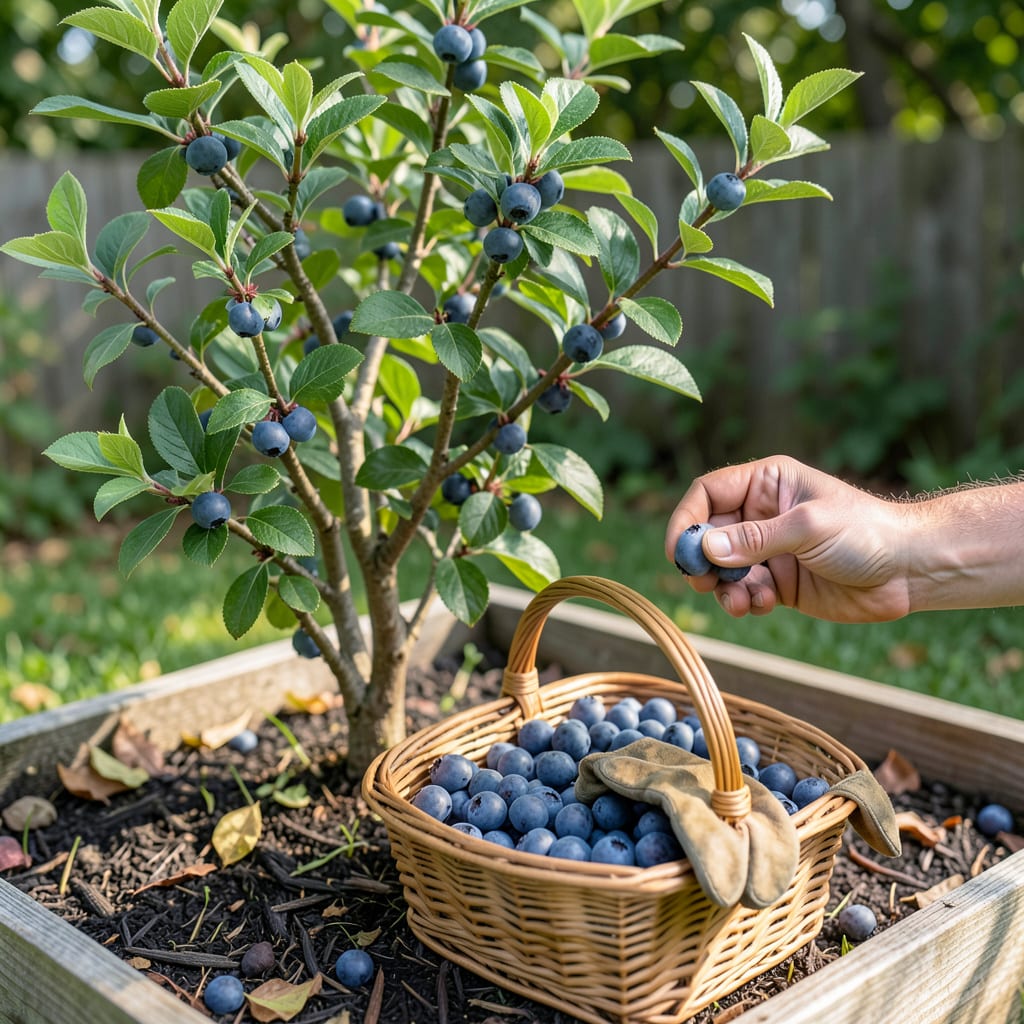
That moment when your 🫐 Blueberry bushes finally burst with color—but are they actually ready? Picking too soon means tart disappointment, while waiting too long risks overripe mush. The difference between perfect and “meh” comes down to three simple signs most gardeners miss.
I’ve wasted too many summers guessing—until I learned the foolproof tricks. We’ll cover exactly when to harvest in Zone 6a (hint: think July-August), plus the sneaky visual cues that guarantee sweetness every time. No more second-guessing—just juicy, sun-warmed berries.


Nothing beats the thrill of seeing your blueberry bushes loaded with plump, colorful berries. But looks can be deceiving! I’ve learned the hard way that color alone isn’t enough—you need to check for five key visual cues to guarantee sweetness.
In Zone 6a, blueberries typically ripen from July to August, but timing varies by variety. The secret is observing the berry’s surface, stem attachment, and cluster uniformity. Let’s break down what to look for—so you never pick a sour berry again.
Pro Tip: Check berries in the morning—they’re sweeter after cool nights! 🌡️
One mistake I see gardeners make? Assuming all blueberries ripen simultaneously. In reality, clusters mature at different rates. Focus on the largest, deepest-colored berries first—they’re usually the ripest. Smaller ones may need another week.
The waxy bloom (that powdery coating) is your best friend. It’s a natural protectant, but it also signals peak ripeness. If you rinse berries before eating, you’ll wash it off—so pick gently to preserve it until you’re ready to enjoy them.
Here’s a trick for first-time growers: Compare berries from different clusters. If one bunch is fully blue while another has green patches, prioritize the all-blue cluster. And don’t worry if a few berries fall off when you touch them—that’s a sign they’re overripe and perfect for immediate eating!
Weather plays a role too. After a hot, dry spell, berries may ripen faster and shrink slightly. If your region had heavy rain, check for split skins—those berries should be picked right away to prevent mold. Always taste-test a few from different spots on the bush.
If you’re growing early-season varieties like ‘Duke,’ expect ripening in late June to early July. ‘Bluecrop’ (mid-season) peaks in July, while ‘Elliott’ (late-season) may not be ready until August or September. Adjust your picking schedule accordingly!
Once you’ve harvested, handle berries with care. Store unwashed in the fridge for up to 10 days, or freeze them on a tray before bagging. Avoid washing until ready to eat—moisture speeds up spoilage. Now, go enjoy that sweet, tangy reward! 🪴
Still unsure? Do the taste test: Pop a berry in your mouth. If it’s sweet with a hint of tartness, the rest are ready. If it’s sour, give them 2-3 more days. Trust your taste buds—they’re the ultimate judge! 🫐
Not all blueberries ripen on the same schedule—variety matters! In my garden, I’ve learned that early-season bushes like ‘Duke’ can be ready by late June, while ‘Elliott’ might not peak until September. Knowing your plant’s type helps you plan.
Climate plays a role too. In Zone 6a, most blueberries hit their stride in July-August, but warmer zones may see earlier harvests. Below, I’ve broken down the key differences so you can time your picking perfectly every season.
| Variety | Ripening Window | Key Traits |
|---|---|---|
| Duke | Late June – Early July | Cold-hardy, large berries, earliest harvest |
| Bluecrop | Mid-July – Early August | Reliable, medium-sized, sweet flavor |
| Elliott | August – September | Late-season, small but intensely sweet |
Note: Adjust timing by 1-2 weeks for warmer or cooler zones. 🌡️
I’ve found that ‘Bluecrop’ is the most forgiving for beginners. Its berries turn a uniform deep blue when ripe, and the clusters mature evenly. If you’re new to blueberries, start with this variety—it’s a reliable producer year after year.
For late-season varieties like ‘Elliott,’ patience is key. These berries often develop a more concentrated sweetness because they ripen in warmer weather. But watch for bird pressure—by August, hungry flocks may beat you to the harvest! Netting helps.
Weather can shift your timeline. A cool, wet spring might delay ripening by a week, while a hot, dry summer could speed it up. Always taste-test a few berries from different bushes to confirm. If they’re sweet with a slight tang, you’re good to go!
Don’t forget to check older canes first—they often produce the ripest berries earliest. Younger growth may lag behind by a week or two. And if you’re growing multiple varieties, stagger your picking schedule to enjoy fresh blueberries for months! 🪴
Once you’ve mastered the timing, you’ll notice that morning-picked berries taste sweeter. The cooler overnight temps help concentrate sugars. So grab your basket early, and savor that fresh-off-the-bush flavor—it’s worth the wait! 🫐
Even when blueberries look ripe, the real test is in the flavor and texture. I’ve had berries that seemed perfect but tasted sour—because I skipped this critical step. The taste test is your best tool to avoid disappointment.
Start by gently squeezing a berry. A ripe one will feel plump and slightly soft, not rock-hard. If it resists pressure, it needs more time. Next, roll it between your fingers—ripe berries have a slight give without being mushy. Now, it’s time for the final verdict.
Rainy weather can make berries appear ripe when they’re not. If your region had heavy rain, wait an extra 2-3 days after the storm to test. Overripe berries may look perfect but taste mushy or fermented—pick those immediately.
Birds love blueberries too! If you see peck marks, harvest those clusters first—even if slightly underripe. 🐦
The taste test is simple: Pick one berry and eat it. A perfectly ripe blueberry will be sweet with a hint of tartness. If it’s sour or bland, the rest need more time. Check again in 2-3 days, focusing on the sunniest side of the bush.
Here’s a trick I swear by: Test berries from different parts of the plant. The top clusters (most sun exposure) often ripen first, while lower ones may lag. If the top berries pass the taste test but the bottom ones don’t, prioritize harvesting the sun-exposed fruit first.
If you’re dealing with a heatwave, berries may ripen faster but shrink slightly. In this case, prioritize morning harvesting—the fruit will be juicier and sweeter. Conversely, after a cold snap, flavors intensify, so you might extend picking by a day or two for extra sweetness.
Once you’ve confirmed ripeness, harvest gently. Use your thumb and forefinger to roll berries off the cluster—they should detach with almost no effort. Avoid tugging; if it resists, it’s not ready. Store unwashed berries in the fridge for up to 10 days, or freeze them for later use. 🪴
Once blueberries turn fully blue, they typically need 2-3 more days to reach peak sweetness. The dusty white bloom (natural coating) should appear, and they’ll detach easily with a gentle twist.
This usually happens after heavy rain or if picked too soon. Rain dilutes sugars, making berries appear ripe when they’re not. Always do a taste test—if sour, wait 2-3 days before harvesting.
Morning is best! Berries are sweeter and firmer after cool nights. Evening picking risks softer fruit due to daytime heat. Aim for before 10 AM for the juiciest harvest.
Birds target ripe berries, so use netting immediately. If berries are nearly ripe, you can pick them slightly early and let them finish indoors at room temperature for 1-2 days.
No—clusters ripen unevenly. Focus on the largest, deepest-blue berries first. Smaller ones may need another week. Check daily once the first berries turn color.
