
Beautiful Plants For Your Interior
Beautiful Plants For Your Interior
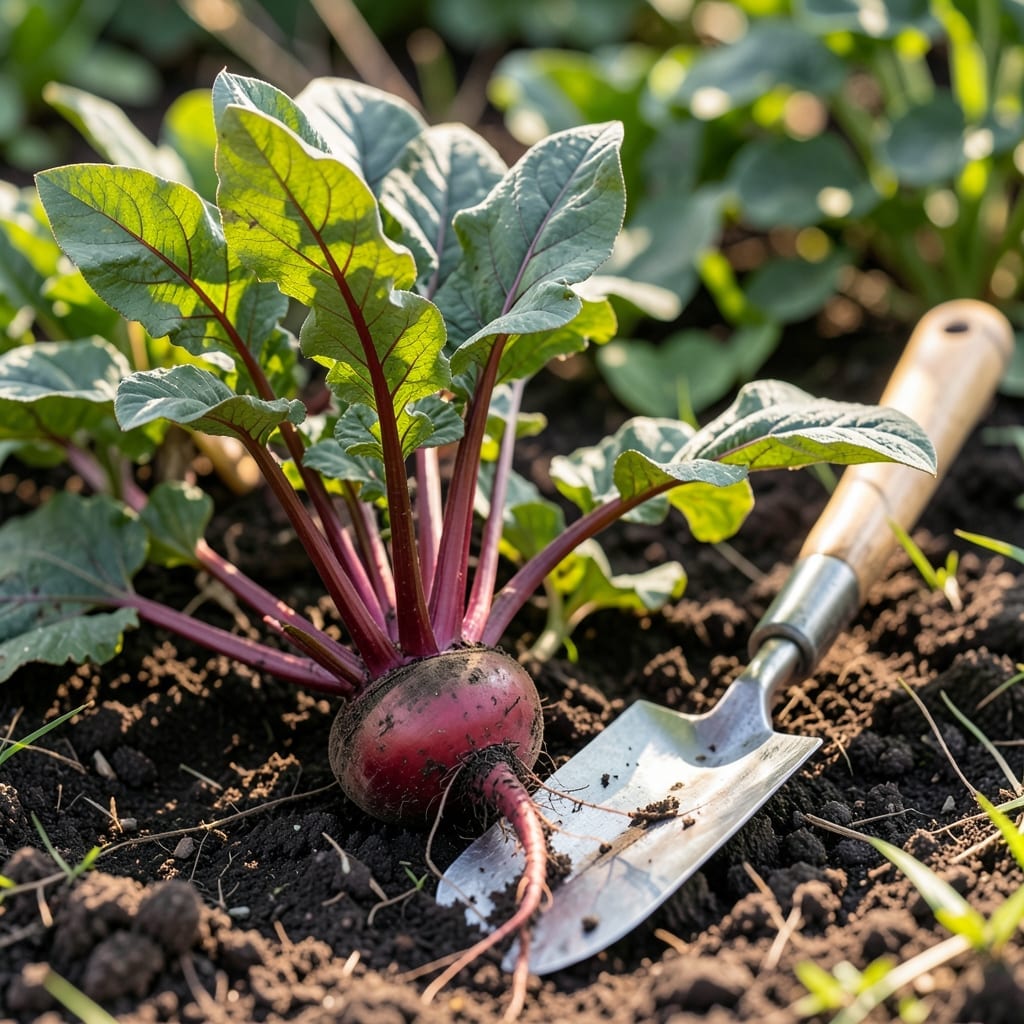
Knowing exactly when 🥬 Beet are ready to harvest ensures the best flavor and texture, but timing it right can be tricky for even experienced gardeners.
You’ve planted your seeds in spring, watched them grow, and now you’re wondering when to pull them from the soil. The signs are often right in front of you, if you know what to look for.
I’ll show you the key visual cues that signal your Beet are at their peak. From size to texture, these indicators take the guesswork out of harvesting.
Discover how to pick your Beet at just the right moment for the sweetest, most tender results every time.
I love growing beets because they’re forgiving and rewarding, but knowing the perfect harvest time makes all the difference. The key is watching for visual cues rather than just counting days.
Most beet varieties reach maturity in 50-70 days, but I’ve found that size and texture are better indicators than the calendar. Look for these tell-tale signs to pick them at their peak.
| Sign | Description |
|---|---|
| Shoulder Diameter | Reaches 1-3 inches across |
| Above-Soil Protrusion | Top of beet shows 1-2 inches above soil |
| Skin Texture | Smooth and firm, not soft |
| Leaf Condition | Vibrant green leaves, no wilting |
| Color | Deep, consistent hue on visible root |
I always check the shoulder diameter first—this is the part of the beet that sticks out of the soil. When it hits 1-3 inches, it’s usually ready. Smaller beets are tender, while larger ones can get woody if left too long.
Another trick I use is gently brushing away soil around the base to inspect the top of the beet. If it’s protruding 1-2 inches above the soil line, that’s a great sign it’s time to harvest.
The skin should feel firm and look smooth. If it’s soft or spongy, the beet isn’t ready—or worse, it might be overripe. I’ve learned the hard way that mushy beets are past their prime.
Don’t ignore the leaves either. Healthy, vibrant greens indicate a thriving plant. If the leaves start yellowing or wilting, it could mean the beet is stressed or overdue for picking.
For the best flavor and texture, I aim to harvest when the color is deep and even. Pale spots or uneven coloring can signal immaturity or poor growing conditions.
If you’re unsure, try the “fingertip test”. Press gently on the soil above the beet—if you feel a firm, round shape beneath, it’s likely ready. This method works well for baby beets too.
Remember, beet size varies by variety. Some, like ‘Detroit Dark Red’, are best at 2-3 inches, while ‘Babybeat’ types are perfect at just 1 inch. Always check your seed packet for specifics.
I’ve found that morning harvesting gives the sweetest beets, as the cool temperatures help preserve their natural sugars. Use a garden fork to loosen the soil first to avoid damaging the roots.
Finally, don’t wait too long. Overgrown beets can become tough and bitter. I make it a habit to check my patch every few days once they’re nearing maturity. ✂️
I’ve learned that beet harvest times vary widely depending on the variety and your growing conditions. Early types can be ready in as little as 50 days, while others need 70 days or more.
Climate plays a big role too—cooler temperatures often slow growth, while warmer soil speeds it up. That’s why I always adjust my expectations based on the weather and my garden’s microclimate.
| Variety | Days to Maturity | Ideal Size |
|---|---|---|
| Early Wonder | 50-55 days | 1-2 inches |
| Detroit Dark Red | 60 days | 2-3 inches |
| Golden | 55-65 days | 1.5-2.5 inches |
| Chioggia | 60-70 days | 2-3 inches |
In my experience, early varieties like ‘Early Wonder’ are perfect for gardeners who want a quick harvest. These beets are ready in just 50-55 days and stay tender at 1-2 inches in diameter.
For a classic flavor, I rely on ‘Detroit Dark Red’. It takes about 60 days and produces 2-3 inch roots that are sweet and versatile. This variety is a staple in my garden every year.
If you’re looking for something unique, try ‘Golden’ or ‘Chioggia’ beets. ‘Golden’ beets mature in 55-65 days and add a beautiful yellow hue to salads. ‘Chioggia’ takes a bit longer, at 60-70 days, but its striped interior is worth the wait.
Your soil conditions also impact harvest time. Loose, well-draining soil helps beets grow faster and more uniformly. If your soil is heavy or compacted, beets may take longer to reach their full size.
Finally, remember that consistent watering is key. Beets in dry soil can become tough and woody, while those in overly wet soil might split or rot. I aim for 1 inch of water per week for the best results. 🌱