
Beautiful Plants For Your Interior
Beautiful Plants For Your Interior
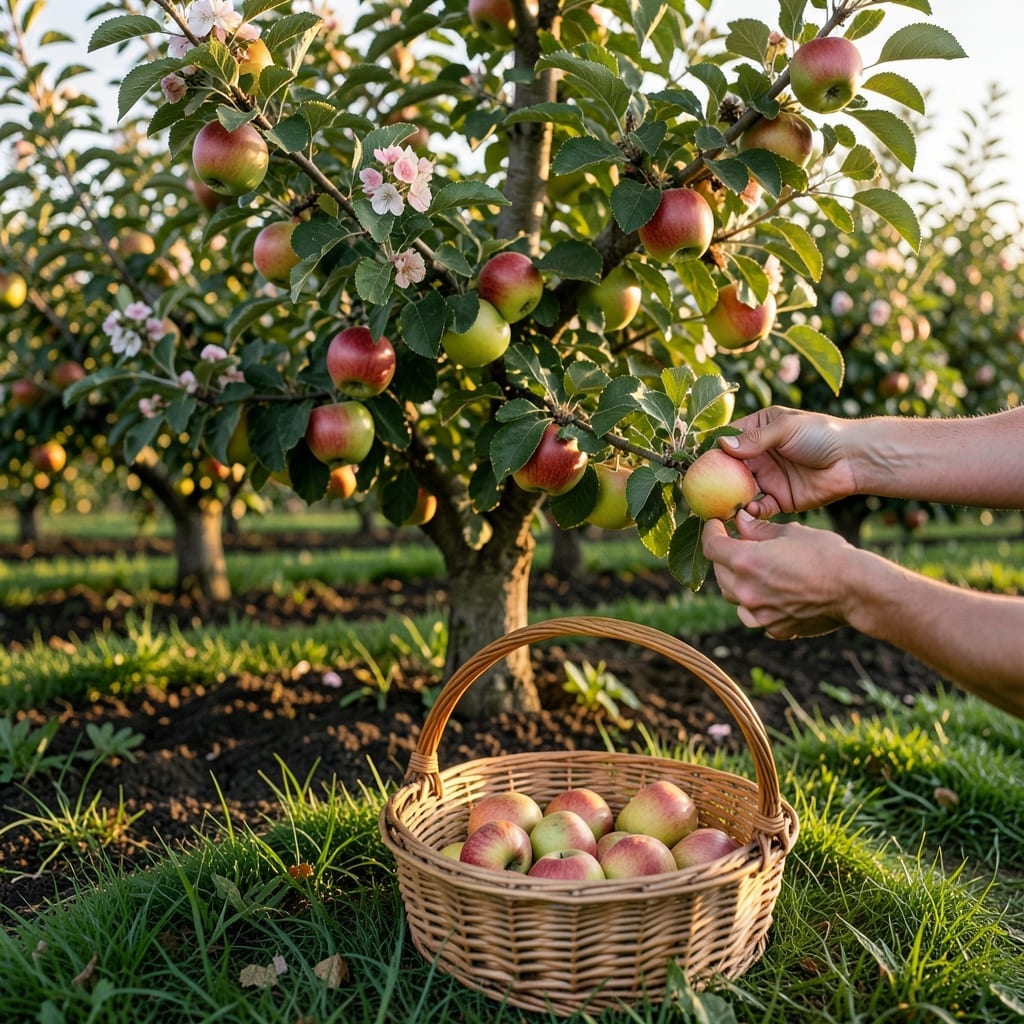
Knowing exactly when to pick apples can mean the difference between crisp, flavorful fruit and mealy, underripe disappointments. Timing your harvest right ensures peak sweetness and storage potential.
The 🍎 Apple tells you when it’s ready if you know what to look for. From color changes to how easily the fruit separates from its stem, there are clear signals that should never be ignored.
I’ve learned through experience that these signs vary by variety and region. What works for a Gala in zone 5-8 might differ for a Granny Smith elsewhere.
Discover the field-tested methods that take the guesswork out of apple harvesting. Your perfect pick is closer than you think.
I’ve found that the perfect apple harvest comes down to 5 reliable signs. Missing these can leave you with tart, unripe fruit or overly soft apples past their prime.
First, I always check for uniform color—whether it’s deep red, golden yellow, or green hues depending on the variety. A full, even color means the apple is nearing ripeness.
I also rely on the twist test. If I can lift and twist an apple and it separates cleanly from the branch, it’s a clear sign. This method works best on mature trees with healthy fruit.
For seed maturity, I cut open a sample apple. If the seeds are brown, the fruit is ready. White or light seeds mean it needs more time. This is one of the most accurate indicators I’ve found.
Another trick is the taste test. I sample one apple from different parts of the tree. Sweet, crisp flesh confirms ripeness, while tartness or softness means it’s not quite there yet. Remember, one test apple can save a whole harvest.
I pay attention to the days from bloom too. Most apple varieties take 120-180 days to ripen. For example, Gala apples often mature around 140 days, while Granny Smith can take up to 180 days.
Weather plays a role as well. A warm, sunny season can speed up ripening, while cool, cloudy days may delay it. I adjust my checks based on the year’s conditions and local climate. ☀️
Finally, I watch for fruit drop. When a few apples naturally fall from the tree, the rest are usually close behind. This is nature’s way of saying, “It’s time!” I gather my harvest basket and get to work.
Using these 5 field-tested signs, I’ve never had a bad apple harvest. It’s all about observation and timing—two things every gardener can master with practice. 🌳
Timing your apple harvest perfectly depends on the variety you’re growing. Early types like Gala or McIntosh often ripen in late summer, while others need until fall to reach peak flavor.
Late-season varieties such as Fuji or Granny Smith thrive with a longer growing period, often requiring 180 days from bloom to harvest. Regional climate differences can shift these windows by weeks.
In northern climates, apples typically ripen later due to shorter growing seasons. I’ve noticed my McIntosh trees in Zone 5 often need an extra 10 days compared to southern regions.
For southern growers, the heat can speed up ripening. Watch for color changes and stem separation as key indicators, especially with early varieties like Yellow Transparent.
Always check seed color—when they turn brown, your apples are likely ready. This simple test works across all apple types and climates. ☀️
Remember, weather fluctuations can impact timing. A late frost or drought may delay ripening, so stay flexible and monitor closely as harvest season approaches. 🌳