
Beautiful Plants For Your Interior
Beautiful Plants For Your Interior
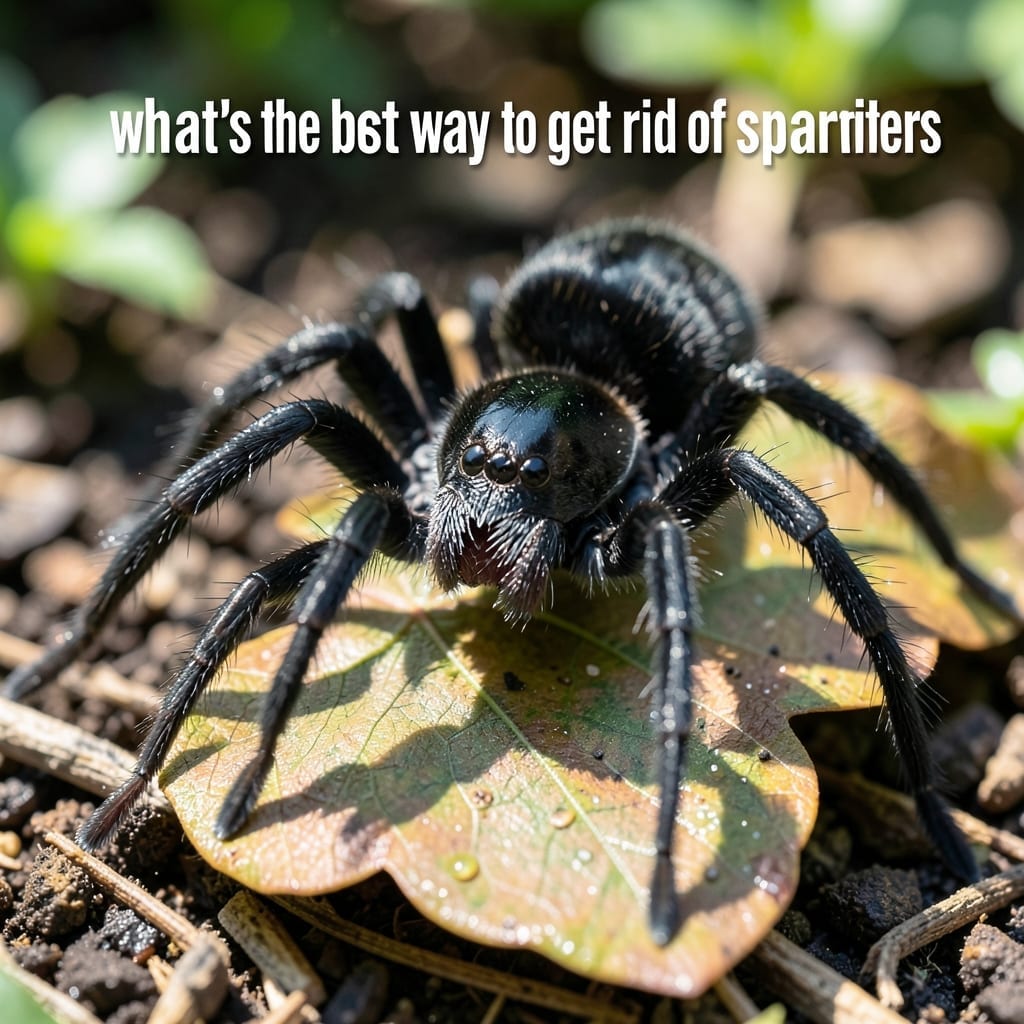
Spiders in the garden can feel like an invasion. I’ve tried everything from stomping to screaming—turns out, the best solutions are quieter and far more effective.
Natural deterrents work without harming plants or beneficial insects. A few simple changes to your outdoor space can make it far less appealing to eight-legged visitors.
You’ll notice fewer webs within a week of using these methods. The key is consistency—spiders return if the environment stays welcoming.
Ideal for gardeners who want a chemical-free approach that protects both plants and pollinators. Here’s how to start.
Understanding why spiders enter your home is the first step toward keeping them out. These eight-legged visitors aren’t just wandering in randomly—they’re drawn by specific conditions that make your space ideal for shelter, hunting, or breeding. Here’s a breakdown of the most common causes:
Spiders follow their prey. If your home has an infestation of insects like flies, mosquitoes, or ants, spiders will naturally migrate indoors to feast. Common culprits include uncovered trash bins, dirty dishes, or gaps in screens that let bugs inside. Reducing these food sources removes the spiders’ primary motivation to stick around.
Spiders seek dark, undisturbed, and moist environments to build webs or hide. Basements, attics, closets, and behind furniture are prime real estate. Clutter—like piles of paper, cardboard boxes, or seldom-used clothing—provides perfect hiding spots. Even excess humidity from leaky pipes or poor ventilation can attract moisture-loving species like cellar spiders.
Spiders can squeeze through tiny cracks, gaps under doors, or torn window screens. They also hitch rides on firewood, groceries, or outdoor gear brought inside. Sealing these entry points with caulk, weather stripping, or fine mesh screens can drastically reduce their access.
If your home is surrounded by dense vegetation, wood piles, or mulch, spiders are more likely to venture indoors. Overgrown shrubs, ivy, or leaf litter near your foundation create a bridge for them to migrate inside. Keeping landscaping trimmed and storing firewood at least 20 feet away from your house helps disrupt their path.
Dealing with spiders doesn’t have to be a nightmare. With a few targeted fixes, you can reclaim your home—and keep those eight-legged visitors out for good. Here’s how to tackle the most common causes and prevent future infestations.
Spiders love cozy, undisturbed spaces like piles of clothes, cardboard boxes, or dense vegetation near entry points. Clear the clutter in closets, under beds, and in storage areas. Use vacuum attachments to reach tight spaces, and seal cracks in walls, windows, and doors with caulk. Store items in plastic bins with tight lids instead of cardboard to eliminate hiding spots.
If your home’s exterior is a spider magnet, create a natural deterrent perimeter. Plant spider-repelling herbs like mint, lavender, or eucalyptus near windows and doors. Sprinkle diatomaceous earth (food-grade) along entry points—it’s harmless to humans but dehydrates spiders. Keep outdoor lights off at night (they attract insects, which attract spiders) or switch to yellow bug-repellent bulbs.
Spiders sneak in through gaps under doors, torn screens, or open vents. Install door sweeps and repair damaged screens to shut them out. Place glue traps in corners, basements, or garages to catch stragglers—just keep them out of reach of pets and kids. For a non-lethal option, use a humane spider catcher to relocate them outside.
💡 Pro Prevention Tips:
Yes! Spiders dislike strong scents like peppermint, tea tree, or eucalyptus oil. Mix 10 drops with water in a spray bottle and apply to entry points. Reapply every 2-3 weeks for best results.
Dust and vacuum at least once a week, focusing on corners, ceilings, and under furniture. Pay special attention to dark, undisturbed areas where spiders love to build webs.
A 50/50 mix of white vinegar and water in a spray bottle works well. The acetic acid disrupts their scent trails. Spray along baseboards, windowsills, and other entry points.
Leaving clutter like cardboard boxes or piles of clothes untouched. Spiders thrive in these hiding spots. Store items in sealed plastic bins and keep areas tidy to deter them.