
Beautiful Plants For Your Interior
Beautiful Plants For Your Interior
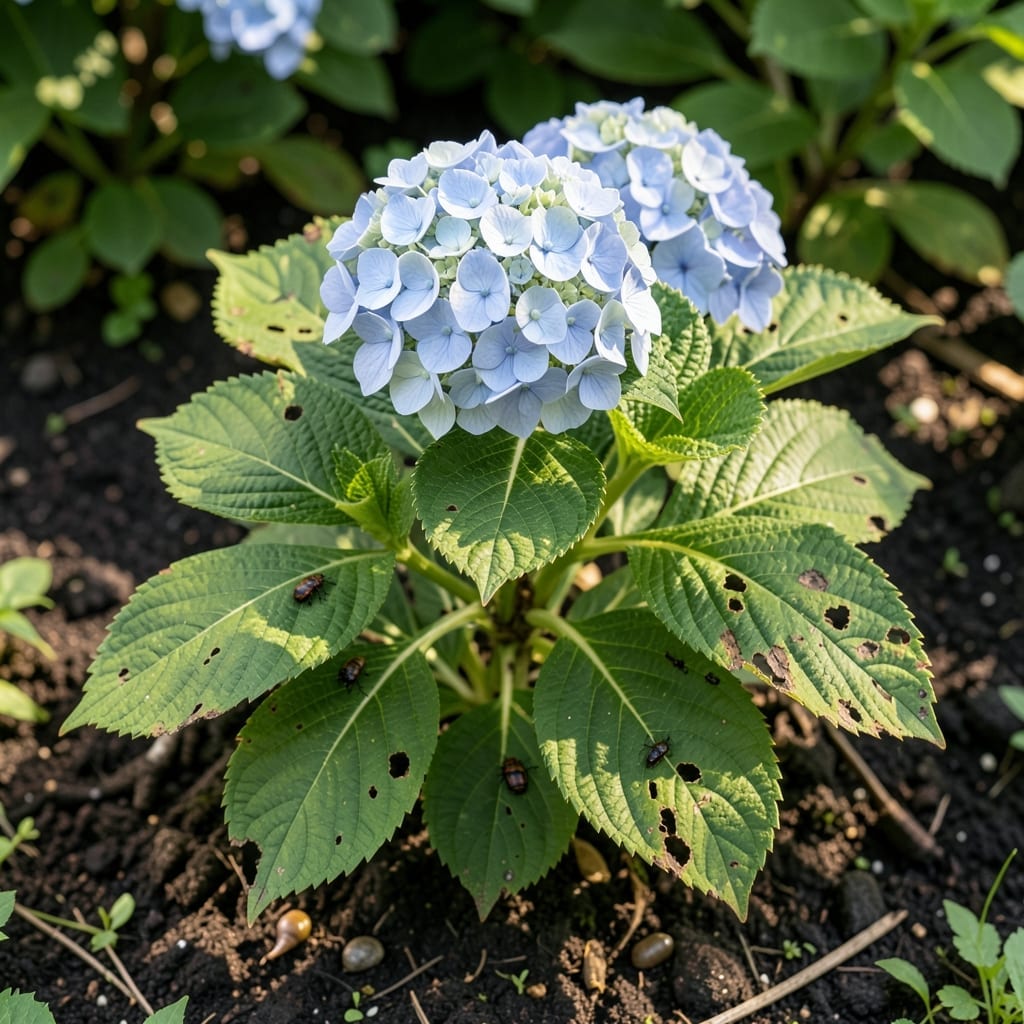
Hydrangea leaves full of holes overnight? I’ve been there—nothing worse than watching your prize blooms become a buffet. The culprits are usually hiding in plain sight, and the damage tells a story if you know what to look for.
Japanese beetles skeletonize leaves, slugs leave silvery trails, and aphids cluster on new growth. Each pest has a signature, and once you spot it, stopping them becomes straightforward. No advanced degree in entomology required.
You’ll regain control fast with the right approach. Organic sprays, hand-picking, or simple barriers can turn the tide within 24-48 hours. The key is acting before the damage spreads.
This guide helps you identify the pest, understand why it’s happening, and choose the best fix for your garden. Let’s save those blooms.
Hydrangeas are a favorite for many gardeners, but they can fall victim to a variety of pests. Here’s why your plant might be getting munched on:
Common culprits like aphids, Japanese beetles, and spider mites are drawn to hydrangeas for their tender leaves and sap. Aphids pierce plant tissues to suck out nutrients, while beetles chew large, irregular holes in foliage. Spider mites thrive in hot, dry conditions, causing stippling or yellowing leaves.
These slow-moving pests are nocturnal feeders, leaving behind ragged edges on leaves and a telltale slime trail. They prefer moist environments, so overwatered or poorly drained soil can invite them.
Deer, rabbits, and even squirrels may target hydrangeas, especially young or tender growth. Deer often leave jagged tears on leaves, while rabbits tend to clip stems cleanly. Squirrels may gnaw on buds or bark.
While not “eating” in the traditional sense, diseases like powdery mildew or bacterial leaf spot can weaken plants, making them more susceptible to pests. Overhead watering and poor air circulation often contribute to these problems.
Once you’ve identified the culprit, act fast to protect your hydrangeas. Here’s how to tackle each common pest with simple, effective fixes—and keep them from coming back.
Spray aphids off with a strong jet of water from your hose, focusing on the undersides of leaves. For stubborn infestations, apply neem oil or insecticidal soap (mix 1 tbsp soap per quart of water). Prevention tip 💡: Attract ladybugs and lacewings—they feast on aphids!
Pluck beetles off by hand in the early morning when they’re sluggish, and drop them into soapy water. For larger outbreaks, use pheromone traps (place them far from your hydrangeas). Prevention tip 🌡️: Apply kaolin clay as a barrier spray—it deters beetles from feeding.
These thrive in dry conditions. Blast them off with water, then treat with neem oil or miticide. Prevention tip ✨: Keep foliage hydrated by misting leaves or using a drip irrigation system.
Create a copper tape barrier around plant bases or use beer traps (bury a shallow dish filled with beer—they’ll crawl in and drown). Prevention tip 🎯: Remove debris and mulch where they hide, and water in the morning so soil dries by night.
Install a 4-foot-tall fence around your garden or use commercial repellents (rotate brands to avoid resistance). Prevention tip 🔥: Plant deer-resistant species like lavender or boxwood nearby as a natural deterrent.
Pro tip: Always check new plants for pests before bringing them home to avoid infesting your hydrangeas!
Look for irregular holes with ragged edges and a shiny slime trail. Slugs feed at night, so check leaves in the morning for fresh damage.
They’re attracted to the tender leaves and flowers. These beetles skeletonize foliage by eating the tissue between veins, often in mid-summer.
Plant deer-resistant species like daffodils or lavender nearby. Motion-activated sprinklers or homemade sprays with garlic and eggs can also work.
Yes! Excess moisture invites slugs, snails, and fungal issues. Water in the morning and ensure good drainage to keep pests away.