
Beautiful Plants For Your Interior
Beautiful Plants For Your Interior
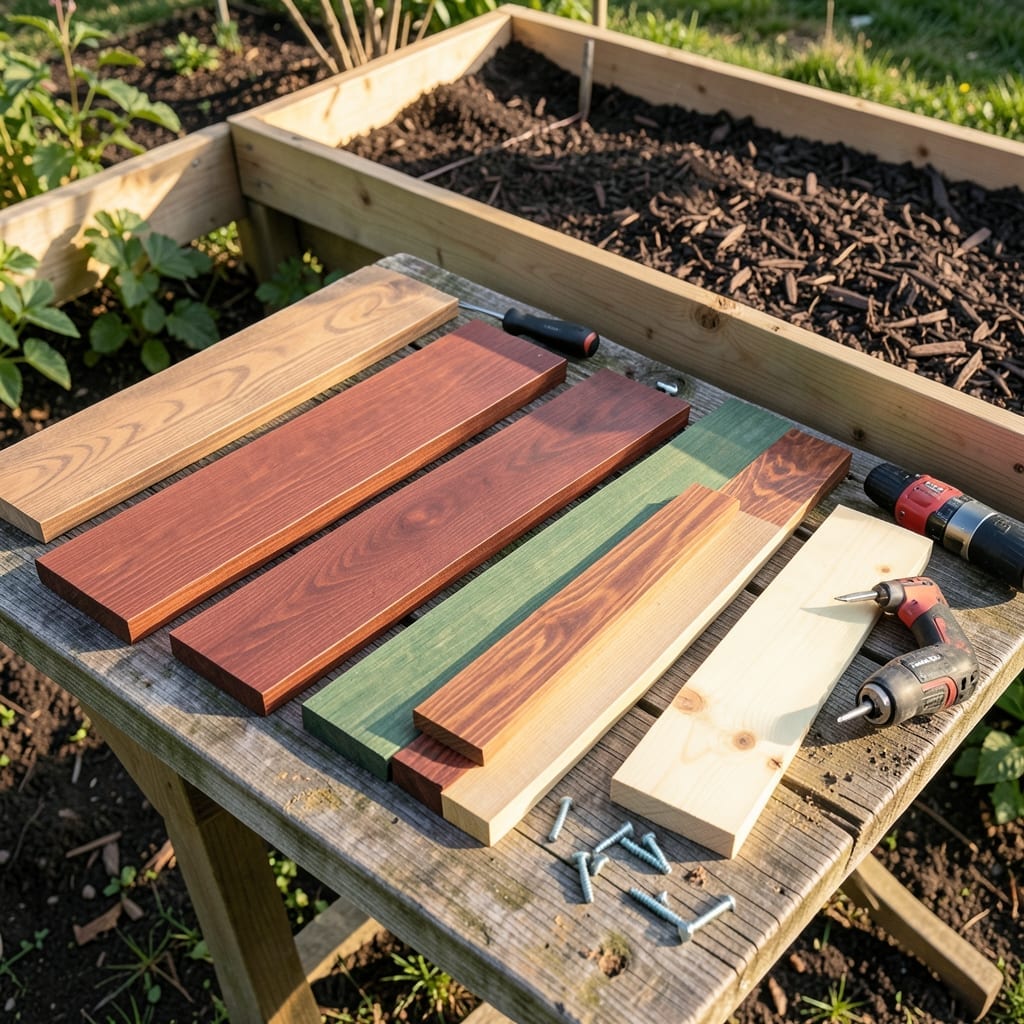
Your Garden Bed 🌱 deserves a foundation that lasts as long as your green thumb ambitions. Choosing the wrong wood can turn your dream garden into a maintenance nightmare.
I’ve seen too many gardeners waste time and money on materials that rot within 3 years. The right choice balances durability, safety, and budget.
Discover which woods naturally resist rot and which to avoid at all costs. Your plants—and your wallet—will thank you.
When building a garden bed, choosing the right wood is critical for longevity. I’ve tested various types and found that natural rot-resistant woods outperform treated options for both durability and safety.
Woods like cedar, redwood, and black locust naturally resist decay, making them ideal for long-term use. They also avoid the chemical leaching risks of pressure-treated lumber. 🌱
| Wood Type | Lifespan | Rot Resistance | Cost | Regional Availability |
|---|---|---|---|---|
| Cedar | 10-15 years | High | Moderate | Widespread |
| Redwood | 15-20 years | Very High | High | West Coast |
| Black Locust | 20+ years | Exceptional | Moderate | Eastern US |
| Cypress | 10-15 years | High | Moderate | Southern US |
Cedar is my top recommendation for most gardeners. It’s naturally rot-resistant, affordable, and widely available. The aromatic oils in cedar repel pests, adding an extra layer of protection.
Redwood offers even better durability but comes at a higher cost. If you’re in the Western US, it’s a fantastic choice for long-lasting beds. Its rich color also adds aesthetic appeal to any garden.
Black locust is the longest-lasting option, often exceeding 20 years without treatment. It’s incredibly dense and resistant to both rot and insects. However, it can be harder to find.
Cypress is another solid choice, especially in humid climates. It handles moisture well and resists fungal decay. Just ensure it’s sourced sustainably, as some cypress varieties are protected. 🌿
For the budget-conscious, cedar provides the best balance of cost and performance. If you can invest more upfront, redwood or black locust will save you money in the long run.
Always opt for untreated wood when growing edibles. Pressure-treated lumber can leach harmful chemicals into the soil, which may be absorbed by your plants. Natural woods are the safest bet for organic gardening.
Regional availability plays a big role in your decision. Cedar and pine are often the easiest to find, while redwood and black locust may require special ordering in some areas.
Not all wood is created equal for garden beds. Some options may seem cost-effective at first but can cause long-term problems for your plants and soil. I’ve learned the hard way which woods to steer clear of.
Pressure-treated lumber is a common but risky choice. It’s infused with chemical preservatives that can leach into the soil, potentially harming your plants and making them unsafe for consumption.
⚠️ Warning: Avoid pressure-treated wood for edible gardens. The arsenic and other chemicals can contaminate your soil for years. Opt for natural rot-resistant woods instead.
Pine is another wood to avoid unless it’s naturally rot-resistant like yellow pine. Regular pine tends to rot quickly, often within 3-5 years, requiring frequent replacements.
While pine is budget-friendly, it’s not a wise long-term investment. If you must use pine, choose heartwood over sapwood, as it’s more resistant to decay.
Composite woods might seem like a durable, low-maintenance option, but they often contain binders and chemicals that aren’t ideal for garden use. They can also overheat in direct sunlight, potentially damaging plant roots.
For a safer alternative to pressure-treated lumber, consider cedar or redwood. Both offer excellent rot resistance without the chemical risks. If you’re on a tight budget, untreated fir can be a temporary solution. 🌿