
Beautiful Plants For Your Interior
Beautiful Plants For Your Interior
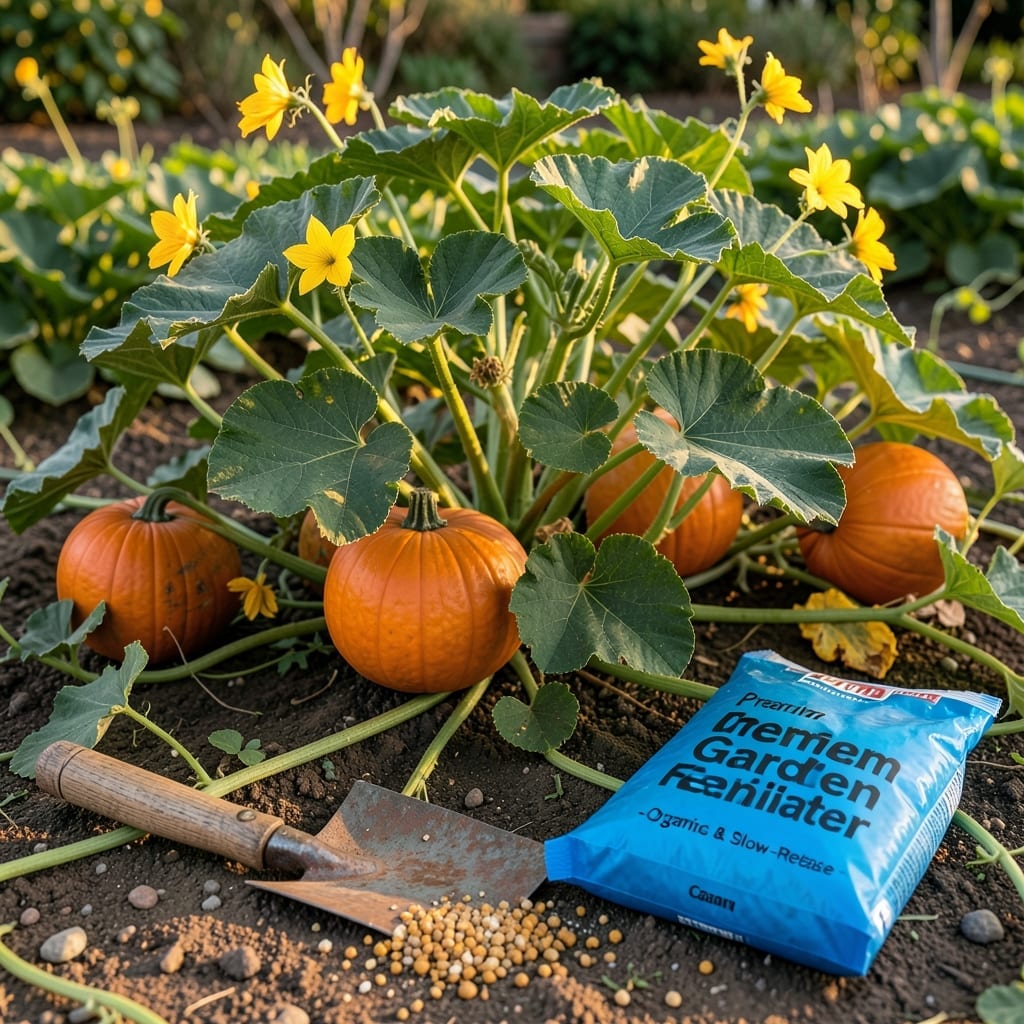
Growing massive, healthy pumpkins starts with the right nutrition—feed them wrong, and you’ll get small, weak fruits instead of prize-winning giants.
I’ve learned that the 🎃 Pumpkin plant thrives when given a carefully balanced diet. The difference between mediocre and extraordinary growth often comes down to what you’re putting in the soil.
Discover how to provide the ideal mix of nutrients at each stage of growth. From early planting to harvest time, timing and composition matter just as much as the fertilizer itself.
Let me walk you through the most effective feeding strategies to help your plants reach their full potential. The results might just surprise you.
I’ve found that pumpkin plants are heavy feeders, requiring a balanced diet of nutrients to produce those impressive, vibrant fruits we all love. The key lies in understanding what they need at each growth stage to thrive.
From my experience, nitrogen kickstarts leafy growth, while phosphorus and potassium fuel fruit development and disease resistance. Secondary nutrients like calcium and magnesium are just as critical for strong vines and healthy pumpkins 🌱
| Nutrient Type | Primary Role | Key Sources |
|---|---|---|
| Nitrogen (N) | Leaf and vine growth | Compost, blood meal, fish emulsion |
| Phosphorus (P) | Root and fruit development | Bone meal, rock phosphate |
| Potassium (K) | Disease resistance, water regulation | Wood ash, greensand, kelp meal |
| Calcium | Cell wall strength, prevents blossom end rot | Lime, eggshells, gypsum |
| Magnesium | Chlorophyll production | Epsom salt, composted leaves |
Early in the season, I focus on high-nitrogen fertilizers to establish strong vines. As the plants begin to flower, I switch to a balanced NPK ratio like 5-10-10 to support both foliage and fruit development.
I’ve noticed that yellowing leaves often signal a nitrogen deficiency, while purple stems can indicate a phosphorus shortage. Regular soil tests help me adjust my feeding strategy before problems arise.
For organic growers, I recommend compost tea or worm castings as gentle, nutrient-rich options. These provide a slow-release of nutrients that won’t overwhelm your plants.
Remember, over-fertilizing can be just as harmful as under-feeding. I always follow the package instructions and err on the side of caution, especially with synthetic fertilizers.
I also pay attention to micronutrients like iron and zinc, which are often overlooked but essential for overall plant health. A diverse soil ecosystem usually provides these naturally.
The best time to feed is early morning, giving plants the full day to absorb nutrients. I water deeply after applying fertilizers to help distribute them through the root zone.
As harvest approaches, I taper off fertilizing to let the pumpkins mature naturally. This prevents excessive vine growth at the expense of fruit development. Proper nutrition truly makes the difference between good and great pumpkins 🌿
Choosing the right fertilizer can make or break your pumpkin harvest. I’ve tested both organic and synthetic options, and each has its place in a healthy feeding regimen. Organic choices build soil health long-term, while synthetics offer quick nutrient boosts.
Your pumpkin plants need a balanced approach. Organic fertilizers like compost or aged manure improve soil structure, while synthetic blends provide precise NPK ratios for rapid growth.
| Fertilizer Type | Key Benefits | Best Use |
|---|---|---|
| Compost | Rich in organic matter | Soil preparation |
| Aged Manure | Slow-release nitrogen | Early growth stage |
| Fish Emulsion | Quick nitrogen boost | Foliage development |
| 10-10-10 Blend | Balanced NPK ratio | Overall growth |
For organic fertilizers, I recommend compost as a soil amendment before planting. It improves drainage and adds beneficial microbes. Aged manure works well for a nitrogen boost in early growth stages.
Fish emulsion is my go-to for quick foliar feeding. It’s packed with nitrogen and micronutrients that pumpkins love. Just dilute it properly to avoid burning the leaves.
When using synthetic fertilizers, a 10-10-10 blend provides balanced nutrition. Apply it every 3-4 weeks during the growing season, but don’t overdo it—too much can harm your plants.
Remember, the key is consistency. Alternate between organic and synthetic options to give your pumpkins a well-rounded diet. Always water after fertilizing to help nutrients reach the roots.
🌱