
Beautiful Plants For Your Interior
Beautiful Plants For Your Interior
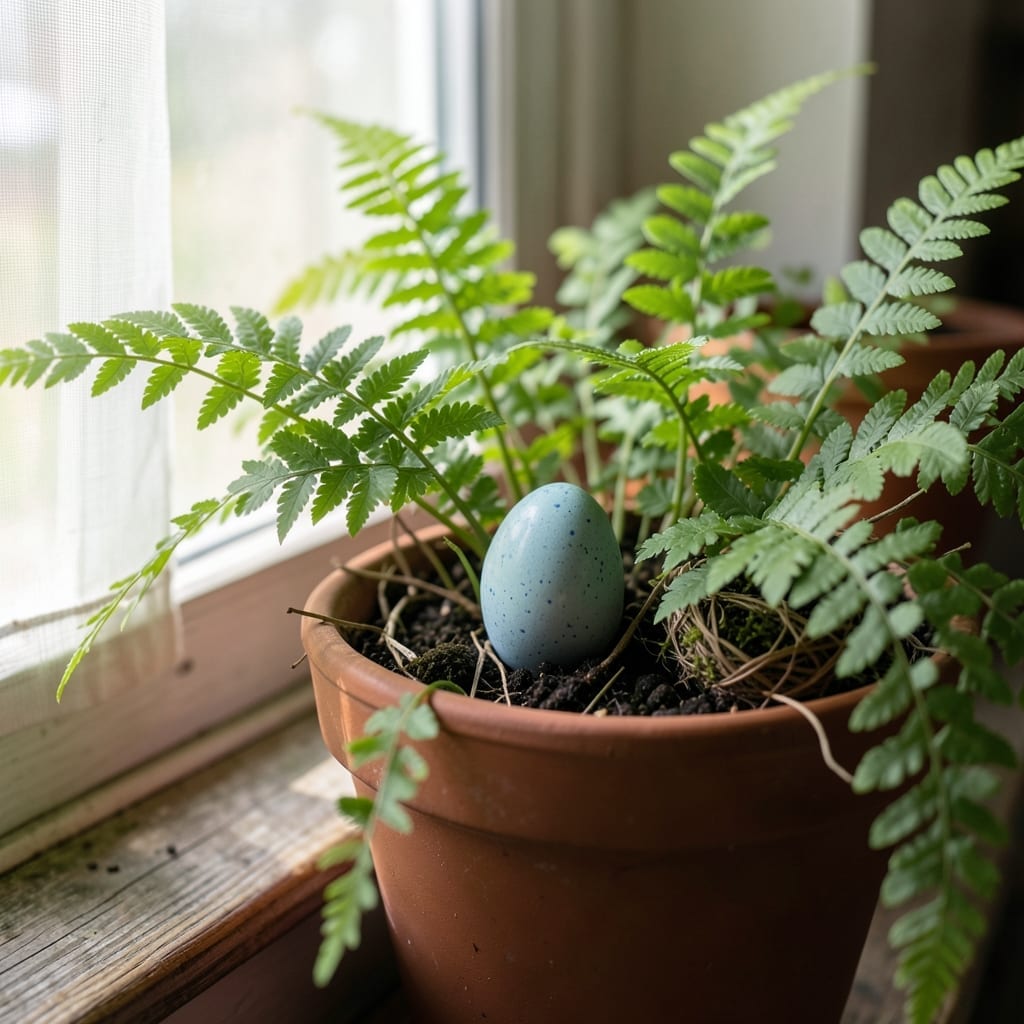
I found my first bird egg nestled in a potted geranium last spring. It’s a surprising gift, but one that comes with responsibility—these tiny visitors need protection while your plant keeps thriving.
Here’s the thing—most birds choose safe, sheltered spots, and your plant likely feels like home. Disturbing the nest too much can harm the eggs or scare the mother away for good.
With a few careful adjustments, you can keep both the nest and your plant healthy. The key is patience and gentle handling to avoid stressing the bird or the greenery.
Fair warning: timing matters. If eggs are already laid, relocation gets tricky, so acting fast (and legally) is your best move.
Birds don’t pick nesting spots at random—they’re drawn to specific conditions that signal safety and suitability. Your potted plant might just be the perfect real estate! Here’s why it happens:
Dense foliage in houseplants or garden shrubs mimics the natural hiding spots birds seek in the wild. Thick leaves provide cover from predators (like cats or larger birds) and shield eggs from harsh weather. Plants with broad, overlapping leaves—such as ferns, palms, or ivy—are especially appealing because they create a secluded, shaded microclimate.
If your plant is near a food source (bird feeders, fruit trees, or insect-rich areas), birds may nest nearby to minimize energy spent foraging. Urban birds, like sparrows or finches, often choose potted plants on balconies or patios because they’re close to human-provided food scraps or seeds.
Potted plants retain moisture and moderate temperature swings, creating a stable environment for eggs. The soil and foliage trap heat during cooler nights and provide humidity, which is critical for embryo development. This is why birds might prefer terra cotta pots (which retain warmth) or hanging baskets (which stay humid).
In urban or suburban areas, habitat loss forces birds to adapt. With fewer trees or shrubs available, your potted fern or window box becomes a viable substitute. Species like house sparrows or robins are particularly resourceful and will nest in unconventional spots if traditional sites are scarce.
Understanding these triggers can help you decide whether to relocate the nest gently or leave it be for the birds’ survival.
Discovering a bird’s egg in your plant can be surprising, but there are gentle ways to address it while keeping the bird and its nest safe. Here’s how to handle the most common scenarios:
If the egg is in a movable pot, gently transfer the entire plant to a quieter, sheltered spot outdoors—like a covered patio or under a tree. Avoid touching the egg directly, as birds can detect human scent. If the plant must stay indoors, place it near an open window so the mother bird can still access it.
For eggs laid in garden soil or ground plants, mark the area with small sticks or a lightweight fence to keep pets and children away. Add a shallow dish of water nearby to encourage the mother bird to stay close. Avoid disturbing the site until the eggs hatch and the chicks fledge (usually 10–14 days).
If you suspect the egg is abandoned, watch from a distance for 24–48 hours. Birds often leave temporarily to find food. If the mother doesn’t return, contact a local wildlife rehabilitator for guidance—never try to incubate it yourself, as this requires permits in many areas.
Prevention Tips:
In the U.S., it’s illegal to disturb active nests of native birds under the Migratory Bird Treaty Act. Wait until the eggs hatch and chicks leave before relocating. If uncertain, consult a wildlife expert.
Observe from a distance for 24-48 hours. If the mother doesn’t return, it may be abandoned. Avoid touching it, as human scent can deter her.
Yes, but water gently at the base to avoid disturbing the nest. Use a spray bottle for misting instead of a hose to prevent soaking the eggs.
Most birds have a poor sense of smell and won’t abandon eggs due to human touch. Still, minimize handling to reduce stress for the mother.