
Beautiful Plants For Your Interior
Beautiful Plants For Your Interior
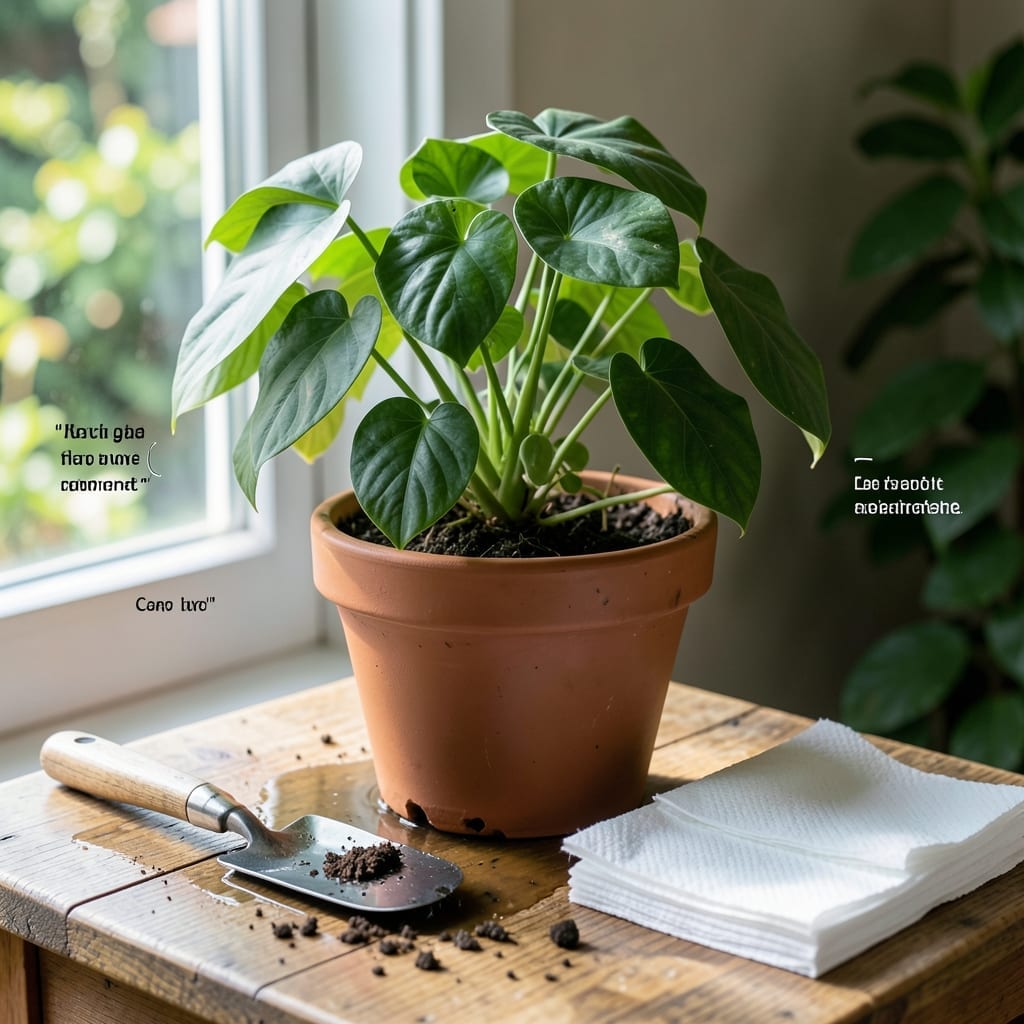
Yellow leaves, mushy stems, a sinking feeling in your chest. Overwatering hits hard, but most plants can bounce back with the right moves.
I’ve saved dozens from the brink by stopping the water, checking the roots, and giving them a chance to dry out. The key is acting fast before rot sets in.
You’ll see new growth within 7-10 days if the roots still have some life. Even sad, droopy plants often perk up once they’re in fresh, dry soil.
Prevention is simpler than you think—just a finger in the soil before watering. Works every time.
Overwatering often stems from well-intentioned but misguided care. Understanding the root causes helps prevent future mishaps. Here’s why it happens:
Plants suffocate when excess water can’t escape. If your pot lacks drainage holes or uses dense, non-porous soil, water pools at the roots, blocking oxygen uptake. Root rot thrives in these anaerobic conditions, as beneficial soil microbes die off without air.
Sticking to a rigid schedule (e.g., watering daily) ignores the plant’s actual needs. Factors like humidity, season, and pot size affect drying time. Most plants prefer soil to dry slightly between waterings—overdoing it disrupts their natural moisture balance.
Oversized pots hold excessive moisture, while compacted or clay-heavy soils retain water like a sponge. Even well-draining mixes (e.g., cactus soil) can fail if paired with a pot that traps water. Match the pot and soil to the plant’s native habitat—succulents need gritty mixes, while ferns prefer moisture-retentive blends.
Low light or cool temperatures slow evaporation, so water lingers longer. Conversely, high heat may trick you into overcompensating. Always check soil moisture (stick your finger 1–2 inches deep) before watering—don’t rely on surface dryness or guesswork.
Overwatering can leave your plant looking sad, but don’t lose hope! 🌱 Here’s how to fix the most common issues and get your green friend back on track.
If the soil is waterlogged, stop watering immediately. Gently remove the plant from its pot and let the roots air dry for a few hours. If the pot lacks drainage, repot the plant in fresh, dry soil with a well-draining mix. Prevention tip: Always use pots with drainage holes and check soil moisture before watering. 💡
Yellow leaves are a classic sign of overwatering. Trim the affected leaves with clean scissors to redirect energy to healthy growth. Move the plant to a spot with bright, indirect light and hold off on watering until the top inch of soil feels dry. Prevention tip: Stick your finger in the soil—if it’s damp, wait another day or two. ✨
If roots are brown, mushy, or smelly, your plant may have root rot. Carefully remove it from the pot, trim away the damaged roots with sterilized shears, and repot in fresh, dry soil. Avoid watering for at least a week to let the roots recover. Prevention tip: Use a soil mix with perlite or sand to improve drainage. 🎯
White mold or a foul odor means excess moisture is trapped. Move the plant to a breezy area with good air circulation. If mold is on the soil surface, scrape off the top layer and replace it with fresh soil. Prevention tip: Avoid misting plants that don’t need high humidity. 🌬️
With a little patience and these fixes, your plant can bounce back stronger than ever!
Wait until the top 1-2 inches of soil feel completely dry. For most plants, this means 5-7 days after repotting, but always check the soil first.
If most roots are still firm and white, trim the black ones and repot in fresh, dry soil. If the entire root system is mushy, the plant may not recover, but it’s worth trying with aggressive pruning.
Bright, indirect light helps the soil dry faster, but avoid direct sun, which can stress an already weak plant. A spot with gentle morning sun is ideal for recovery.
Use a pot with drainage holes and a well-draining soil mix. Always check soil moisture with your finger before watering—this simple step prevents most issues.