
Beautiful Plants For Your Interior
Beautiful Plants For Your Interior
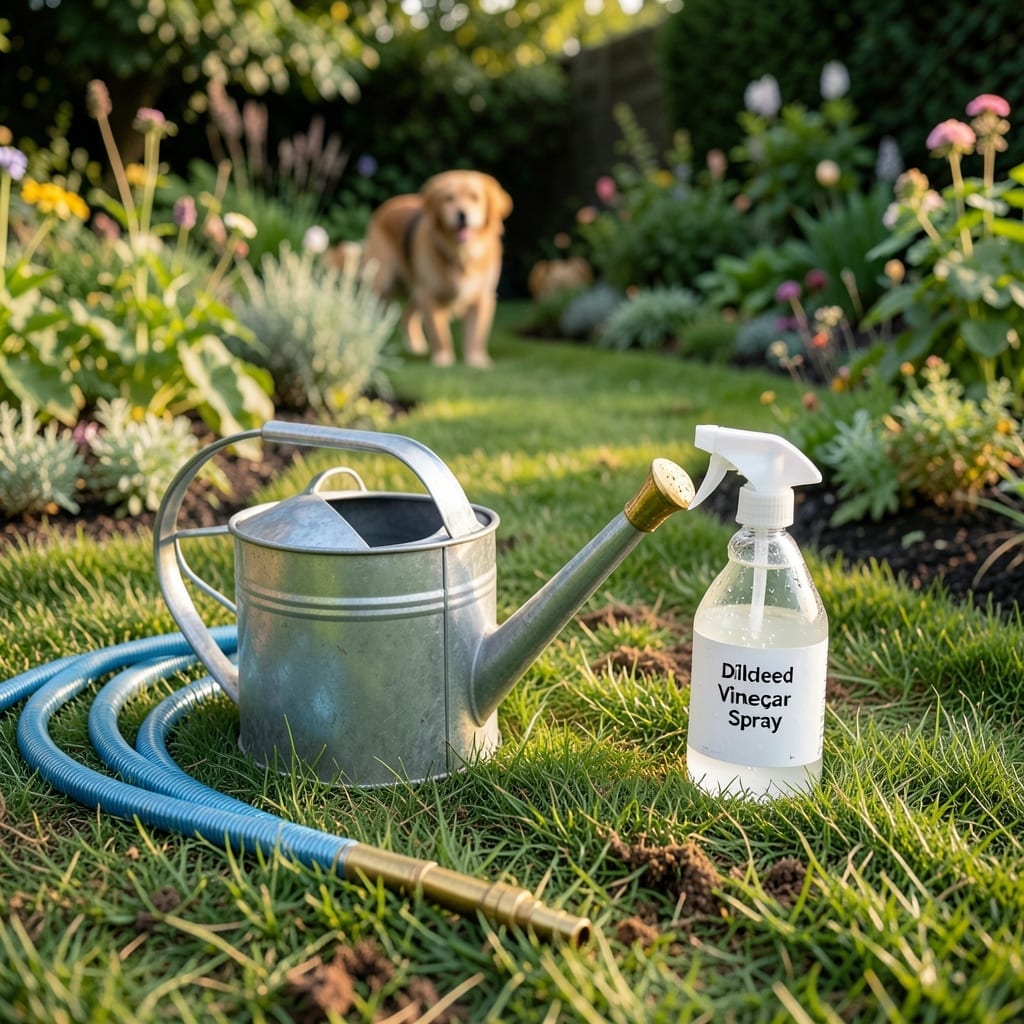
Yellow patches from your pup’s bathroom breaks? I’ve been there—watching my lawn turn into a polka-dot of dead grass every time my dog picked a new spot. It’s frustrating, but fixable.
Dog urine contains nitrogen that burns grass in concentrated spots. The solution isn’t just about repair—it’s about prevention. I’ve tested simple fixes that work without chemicals or fancy equipment.
With a few adjustments to routine and 30 minutes of effort, you can revive damaged areas. The key is diluting the nitrogen before it settles into the soil.
Works for any yard size, dog breed, or climate. Here’s how to keep your lawn green and your dog happy.
Your dog’s urine can turn lush green lawns into brown, dead patches. Here’s why it happens:
Dog urine is rich in nitrogen, a nutrient that, in small amounts, fertilizes grass. However, the high concentration in urine (especially from dogs on high-protein diets) burns the grass. Think of it like over-fertilizing a plant—too much of a good thing becomes toxic. The nitrogen overwhelm disrupts the grass’s ability to retain water, leading to dehydration and death.
Urine also contains salts and urobilin, which raise the soil’s pH level. Grass thrives in slightly acidic to neutral soil (pH 6.0–7.0), but dog urine can push pH to alkaline extremes (8.0+). This disrupts nutrient absorption, starving the grass of essential minerals like iron and phosphorus. The salt content further draws moisture out of the roots, accelerating the damage.
Smaller dogs with highly concentrated urine (due to less liquid intake) or larger dogs that pee in the same spot repeatedly compound the problem. Female dogs are often bigger offenders—their squatting deposition creates a concentrated “hot spot,” whereas male dogs may distribute urine more widely when lifting their legs.
Don’t let yellow patches ruin your lawn—here’s how to tackle each cause and restore your grass to its lush, green glory.
Act fast after your dog pees. Grab a watering can or hose and rinse the area immediately to dilute the nitrogen. A thorough soak (about 1-2 gallons) helps flush the excess nitrogen before it can burn the grass. For existing spots, water deeply daily for 3-5 days to encourage recovery.
If the soil is too alkaline from urine, sprinkle garden lime (calcium carbonate) over the affected area to neutralize the pH. For acidic patches, use gypsum (calcium sulfate) to balance it out. Follow package instructions for application rates, and water the area afterward to help it absorb.
Create a designated pee zone with mulch, gravel, or artificial turf to protect your grass. Train your dog to use this spot by rewarding them with treats when they go there. Consistency is key—walk them to the area regularly until it becomes a habit.
Rinse immediately with 1-2 gallons of water to dilute the nitrogen. The faster you act, the better your chances of preventing damage. Waiting even 10 minutes can allow the burn to set in.
Often, yes. Females tend to squat, creating concentrated urine spots. Males may lift their legs, spreading urine over a wider area. However, any dog can cause damage if they repeatedly use the same spot.
It’s not recommended. Baking soda can further raise soil pH, making the problem worse. Instead, use garden lime for alkaline soil or gypsum for acidic patches. Always water after applying.