
Beautiful Plants For Your Interior
Beautiful Plants For Your Interior
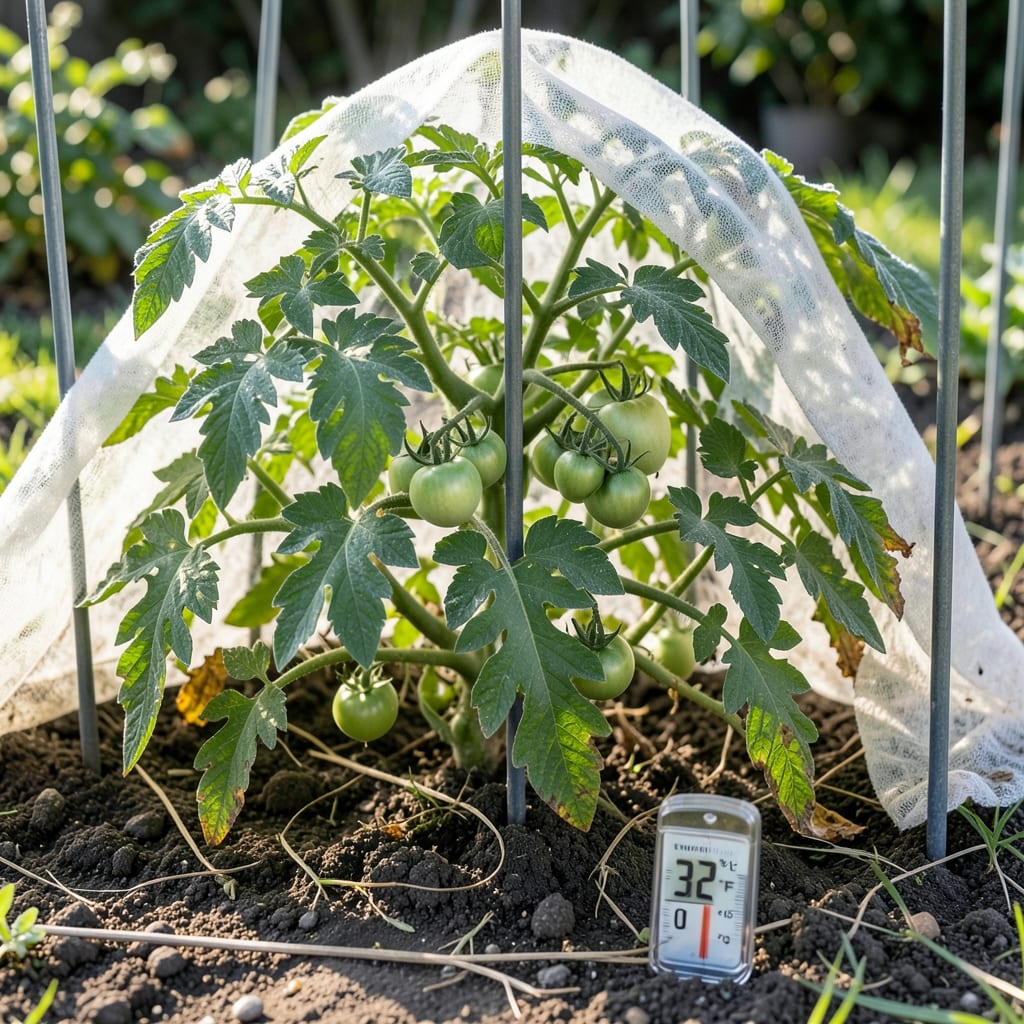
Cover tender plants when temperatures drop to 32°F (0°C) or below. Sensitive varieties may need protection at 35°F (2°C) to prevent damage from light frosts.
I’ve learned that frost damage occurs when ice crystals form inside plant cells, rupturing their walls. Even a light frost at 36°F (2°C) can harm tropical plants or early seedlings. In my garden journal, I note that row covers or old bedsheets work best when draped loosely to trap ground heat. 🌟
💡 In This Article
Frost damage occurs when water inside plant cells freezes into sharp ice crystals. These crystals puncture cell walls, causing irreversible damage. The process starts at 32°F (0°C), but sensitive plants show stress even at 36°F (2°C) as cellular processes begin slowing down. 🌟
Different plants have varying cold tolerance. Tropical species like hibiscus or banana trees suffer at 35°F (2°C), while hardy vegetables such as kale can withstand 25°F (-4°C). Light frosts (29-32°F) create surface ice, while hard frosts (below 28°F (-2°C)) penetrate deeper into plant tissues.
Ground temperature stays warmer than air due to heat retention. This means soil-rooted plants often survive air temps slightly below freezing. However, container plants are more vulnerable since their roots are exposed to the same cold air as their foliage.
Frost formation depends on humidity and wind. Clear, calm nights allow heat to radiate away quickly, increasing frost risk. Windy conditions, while chilly, often prevent frost formation by mixing air layers.
Monitoring local weather forecasts is crucial. Many weather services provide “frost advisories” when temps are expected to drop to 32-36°F (0-2°C). These warnings typically come 12-24 hours in advance, giving you time to prepare.
Pro tip: Use a thermometer at plant level rather than relying on general weather reports. Temperatures can vary by 5-10°F within just a few feet, especially in microclimates created by walls, fences, or slopes. ⚡
Hardy plants like kale survive down to 25°F (-4°C), while tropicals like hibiscus suffer below 35°F (2°C). Most vegetables and annuals need protection at 32°F (0°C).
Always cover in late afternoon before temps drop. This traps daytime heat. Remove by mid-morning after frost melts to prevent overheating or moisture buildup.
No, plastic blocks air and moisture, creating a greenhouse effect that can cook your plants when the sun hits. Stick to breathable frost blankets or old bedsheets.
Use stakes or tomato cages to support covers, keeping them from touching foliage. Secure edges with bricks or soil to trap ground heat effectively.