
Beautiful Plants For Your Interior
Beautiful Plants For Your Interior
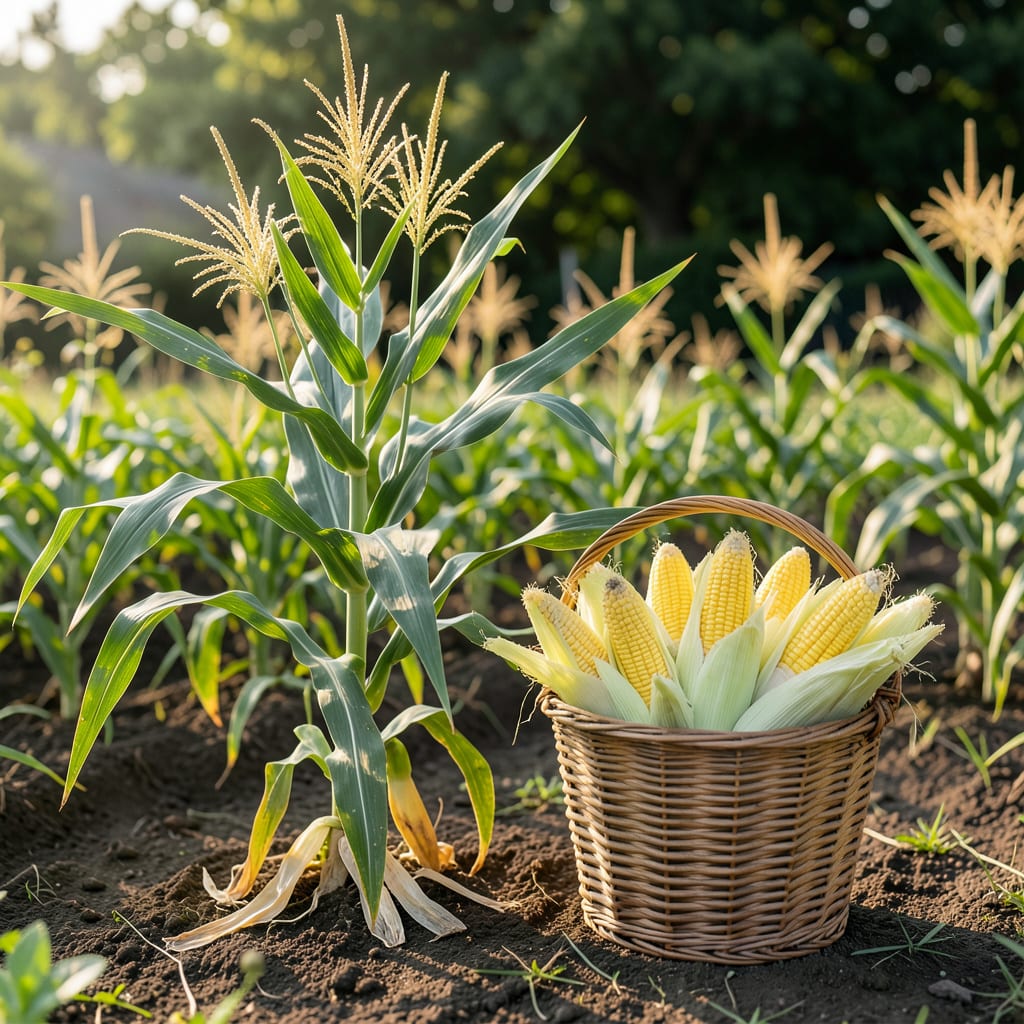
There’s nothing quite like the taste of freshly picked 🌽 Sweet Corn, but timing is everything. Harvest too early or late, and you’ll miss that perfect sweetness.
I’ll show you the ideal months and the subtle signs to watch for, so you can enjoy Sweet Corn at its absolute best. Let’s make this harvest season your most successful yet.
Timing your sweet corn harvest perfectly depends on where you live and what variety you’ve planted. In warmer USDA zones 7-11, you might start picking as early as June, while cooler zones often wait until August or September. 🌱
Early-season varieties like ‘Early Sunglow’ mature in about 60 days, while late-season types such as ‘Silver Queen‘ can take up to 100 days. Your local frost dates and growing degree days play a huge role in pinpointing the right time. 🌿
| Region | Harvest Months | Variety Examples |
|---|---|---|
| Southern Zones (7-11) | June – July | Early Sunglow, Sugar Buns |
| Midwest (4-6) | July – August | Peaches & Cream, Bodacious |
| Northern Zones (1-3) | August – September | Luscious, Silver Queen |
| Coastal Areas | May – October | Ambrosia, Honey & Pearl |
In the Southern US, I’ve seen gardeners harvest their first ears by late May when they plant in early spring. The long growing season allows for multiple plantings, extending the harvest through October. ☀️
For the Midwest, where I do most of my gardening, July through August is prime time. The corn belt states often see their peak harvest in mid to late summer, especially for mid-season varieties. 🌾
If you’re in cooler northern zones, you’ll likely be waiting until late August or September. Shorter seasons mean choosing early-maturing varieties is crucial. I recommend starting seeds indoors if you’re pushing the frost-free window. 🌡️
Don’t forget that microclimates can shift your timeline. Urban areas or spots near bodies of water often stay warmer, allowing for earlier planting and harvesting. I’ve noticed my raised beds warm up faster than in-ground plots. 💧
For the most accurate timing, track your growing degree days (GDD). Sweet corn typically needs 1,200 to 2,200 GDD to reach maturity. Local extension offices often provide GDD calculators tailored to your area. ✂️
If you’re unsure about your zone, a quick soil temperature check can help. Sweet corn germinates best when soil is at least 60°F. I use a simple soil thermometer to take the guesswork out of planting. 🌱
Remember that staggered planting can extend your harvest. By planting new seeds every 2-3 weeks, you can enjoy fresh sweet corn for 6-8 weeks instead of all at once. This works especially well in areas with long growing seasons. 🌿
Knowing exactly when to pick sweet corn ensures maximum sweetness and tenderness. I always check for brown, dry silks first, as this is the most reliable sign of ripeness. The ear should feel plump when squeezed gently. 🌱
Another sure test is the milk stage. Pierce a kernel with your fingernail—if it releases a milky white liquid, it’s ready. Clear liquid means it needs more time, while doughy consistency indicates it’s overripe. 🌿
I’ve made the mistake of harvesting too early before. Yellow or white silks and clear kernel liquid mean the corn isn’t ready. Picking at this stage results in starchy, less sweet kernels that lack flavor. ✂️
Timing also matters. I harvest in the early morning when sugar content is highest. Sweet corn starts converting sugars to starch within 24 hours of picking, so I process or refrigerate it immediately. ☀️
For late-season varieties, watch for earworms and other pests. Check the silk ends for damage. If I see pests, I harvest immediately, even if the corn is slightly underripe. 💧
The husk appearance can be misleading. While green, tight husks are ideal, don’t rely on this alone. I’ve found perfectly ripe corn with slightly loose husks, so I always check the other signs too. 🌾
With some planning, you can enjoy fresh sweet corn for weeks instead of just a few days. I use staggered planting to keep a steady supply coming. Simply plant new seeds every 2-3 weeks until mid-summer. 🌱
Choosing varieties with different maturity dates is another great strategy. Pair an early-season type like ‘Early Sunglow’ with a late-season variety such as ‘Silver Queen’. This can stretch your harvest from July through September. 🌿
💡 Pro Tip: Use floating row covers to protect late-season corn from early frosts. This can buy you an extra 2-3 weeks of growing time in cooler climates.
For northern gardeners, starting seeds indoors can give you a head start. I’ve had success transplanting 4-6 week old seedlings after the last frost. Just be careful not to disturb the roots when moving them. ☀️
Don’t forget to monitor soil moisture during extended harvests. Sweet corn needs consistent watering, especially during tasseling and ear development. I aim for 1-2 inches per week, adjusting for rainfall. 💧
Finally, successive planting works best in areas with long growing seasons. In my Midwest garden, I stop planting new seeds by early July to ensure a harvest before the first frost. This timing may vary based on your local climate. ✂️
Check for brown, dry silks and plump ears. Pierce a kernel—if it releases milky liquid, it’s perfect. Clear liquid means it needs more time.
Yes, but timing shifts later. In northern zones, expect harvests from August to September. Choose early-maturing varieties for best results.
Early harvesting yields starchy, less sweet kernels. Signs include yellow silks or clear kernel liquid. Wait for full ripeness.
Plant new seeds every 2-3 weeks or choose varieties with different maturity dates. This can stretch your harvest for 6-8 weeks.
