
Beautiful Plants For Your Interior
Beautiful Plants For Your Interior
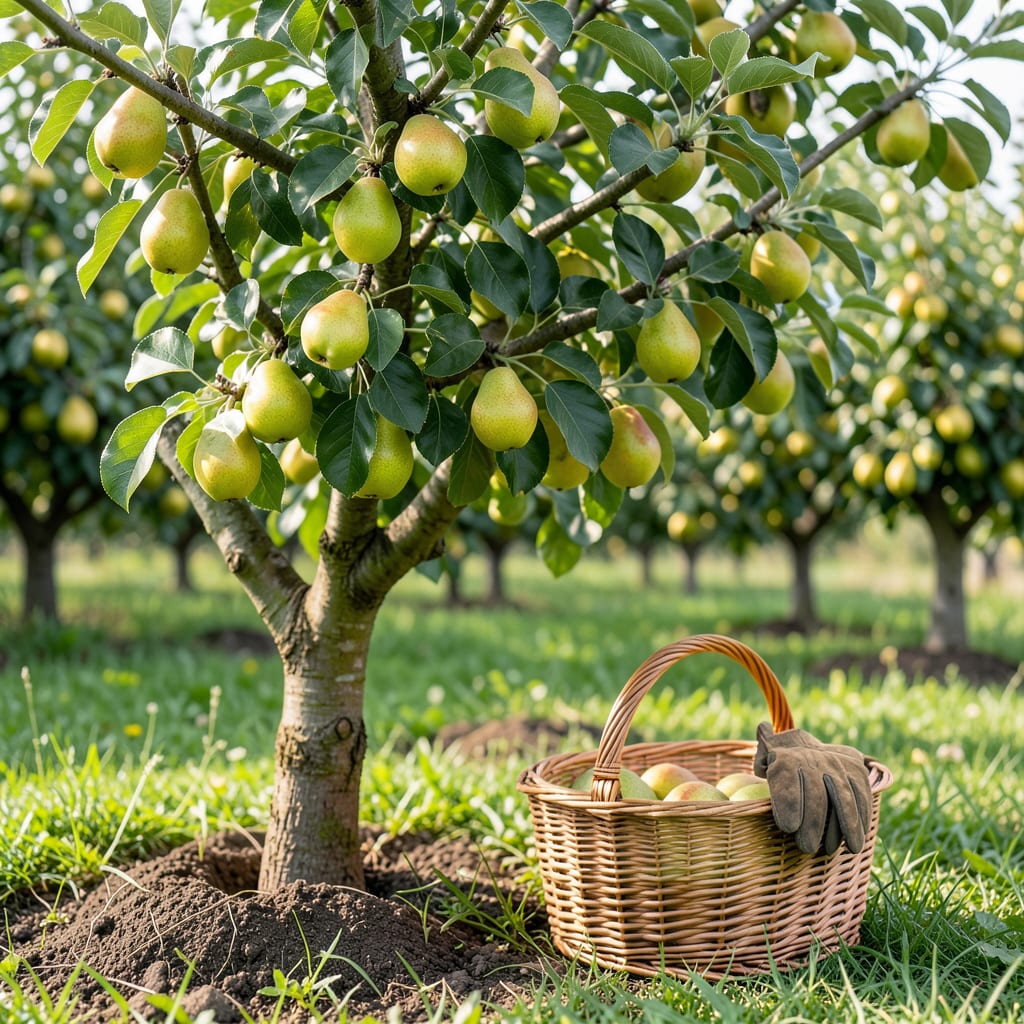
Ever stood in your orchard wondering if your 🍐 Pear is ready to pick? Timing is everything with this fruit, and missing the window can leave you with underripe or overripe produce.
I’ll help you pinpoint the perfect harvest moment based on variety and climate. Let’s make sure your pears are crisp and delicious when you finally pick them.


Timing your pear harvest perfectly depends on both the variety and your local climate. Early varieties like Bartlett typically ripen in late July to early August, while later types such as Anjou or Bosc may hold on the tree until September. 🌳
In cooler climates (USDA zones 5-6), pears often mature 1-2 weeks later than in warmer regions. Southern growers in zones 8-9 might see their fruit ready as early as mid-July. Always check your local frost dates and adjust accordingly. ☀️
| Variety | Typical Harvest | USDA Zones |
|---|---|---|
| Bartlett | Late July – Early August | 5-9 |
| Anjou | Mid-August – September | 5-9 |
| Bosc | Late August – September | 5-9 |
| Seckel | Early September | 5-8 |
I’ve found that Bartlett pears are the earliest to ripen in my garden, often ready by late July in zone 7. Their yellow-green skin lightens noticeably as they mature. Anjou pears follow about 2 weeks later, with their egg-shaped fruit turning a subtle yellowish hue. 🌿
For Bosc pears, I wait until late August when their russeted skin develops a golden-brown color. In cooler zones, these might not be ready until early September. The Seckel variety is my last to harvest, often holding firm until mid-September. ✂️
Remember that altitude affects ripening too. At higher elevations, even in zone 7, my pears often need an extra week or two compared to valley locations. Microclimates in your yard can also create variations – a south-facing slope might hasten ripening by 3-5 days. 🌡️
I always check the weather forecast before harvesting. A cold snap can accelerate ripening, while heat waves might cause fruit to mature unexpectedly fast. In my experience, consistent warmth leads to the most predictable harvest windows. 💧
For the most accurate timing, I combine the calendar guidelines with physical ripeness tests. Even within the same tree, fruit on the sunny side often ripens a few days earlier than those in shade. This is why I spot-check different areas of my pear trees. 🌻
In my zone 7 garden, I start monitoring Bartletts in mid-July, Anjous in early August, and Boscs by late August. This staggered approach ensures I don’t miss the optimal harvest window for any variety. The key is regular inspection as the expected date approaches. 🪴
While knowing the harvest month helps, I always check for physical ripeness signs too. Pears are unique because they ripen from the inside out, so timing is everything for perfect flavor.
I look for color changes, usually a shift from deep green to a yellowish hue at the stem. This is your first clue that the fruit is maturing properly.
For early varieties like Bartlett, I start checking in late July. Anjou and Bosc typically need until August or September, depending on your climate zone.
The “twist test” is my go-to method. If the pear doesn’t come off easily, leave it for a few more days. Forcing it off too soon can damage the fruit.
Remember that cooler climates may delay harvest by a week or two. I always keep a gardening journal to track these patterns year to year.
Finally, if you’re unsure, pick one and let it ripen indoors. Pears continue ripening off the tree, so this is a safe way to test without losing your entire crop. ✂️
Even experienced gardeners can make harvesting mistakes with pears. The most common error I see is picking too early, which results in hard, flavorless fruit that never ripens properly. 🌳
Another frequent misstep is waiting too long to harvest. Overripe pears become mealy and soft, losing that perfect crisp texture we all love. Timing is critical with this fruit.
Picking unripe: Leads to poor flavor and texture development.
Ignoring weather: Heat waves or cold snaps can affect ripening speed.
Improper storage: Pears need cool, dark conditions to ripen evenly after picking.
I’ve learned to check the forecast before harvesting. A heat wave can cause pears to mature faster than expected, while a cold spell might slow the process. Always adjust your timing accordingly. ☀️
Many gardeners also overlook the storage conditions after harvesting. Pears continue to ripen off the tree, so I store them in a cool, dark place at about 60-65°F for best results. Avoid refrigeration until fully ripe.
Finally, don’t assume all fruit on a tree ripens at once. I spot-check different areas of my pear trees, as the sunny side often ripens a few days earlier than the shady side. This staggered approach helps me catch every pear at its peak. ✂️
Gently lift and twist the fruit. If it separates easily, it’s ready. Also look for a slight color change from green to yellowish near the stem.
Yes! Bartlett pears ripen in late July, while Anjou and Bosc varieties often need until August or September. Cooler climates may delay this by 1-2 weeks.
They’ll stay hard and flavorless since pears ripen from the inside out. Picking too soon means they won’t develop proper texture or sweetness.
Store them at 60-65°F in a cool, dark place. They’ll continue ripening off the tree, often reaching perfect flavor in a few days.
