
Beautiful Plants For Your Interior
Beautiful Plants For Your Interior
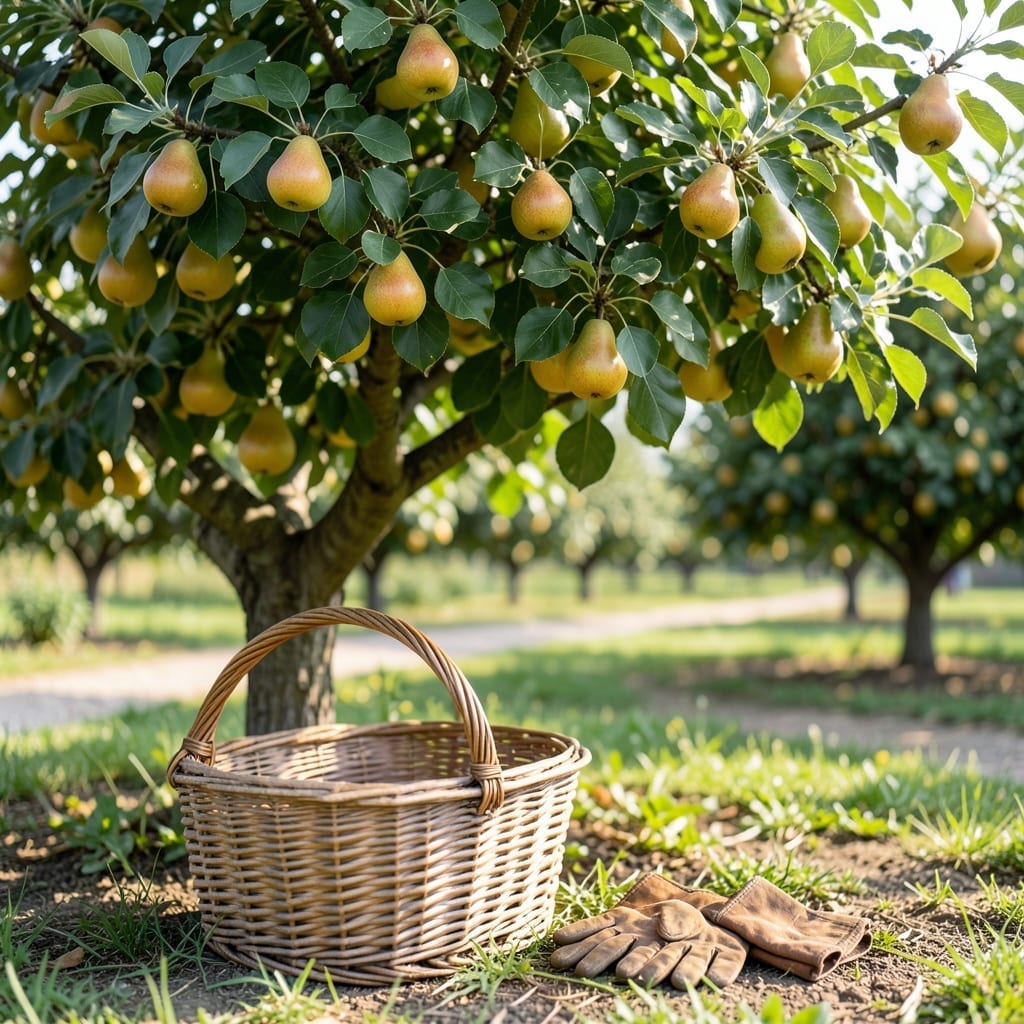
Nothing beats the satisfaction of picking a perfectly ripe 🍐 Pear from your own tree, but timing is everything. Knowing when to harvest ensures the sweetest, juiciest fruit every season.
I remember my first attempt at growing pears – I picked them way too early and ended up with rock-hard fruit. That’s when I learned that understanding the ripening window is the key to success.
For most varieties in zones 5-9, you’ll find pears reaching their peak from July through September. But there’s more to it than just the calendar – visual cues and gentle tests will tell you when they’re truly ready.
Let me walk you through exactly how to identify that perfect harvest moment and avoid the common mistakes that can ruin your crop.
Timing your pear harvest perfectly starts with knowing your variety. Different pear types ripen at different times, even in the same garden. I’ve learned that Bartlett pears often lead the season, while others like Bosc take their sweet time.
In my experience, July through September covers most varieties in zones 5-9, but the exact window varies. Climate, tree age, and even that year’s weather can shift things by a week or two. That’s why I always watch the fruit, not just the calendar.
| Pear Variety | Typical Harvest Month | Key Ripeness Sign |
|---|---|---|
| Bartlett | July to August | Turns yellow when ripe |
| Anjou | August to September | Slightly soft near stem |
| Bosc | Late August to September | Russeted skin darkens |
| Comice | September to October | Sweet aroma develops |
| Asian Pears | July to August | Crisp texture when ripe |
I always tell fellow gardeners that Bartlett pears are the early birds, often ready by mid-July in warmer zones. Their color change from green to yellow is the clearest signal they’re ready to pick.
Anjou pears follow in August, and I watch for that telltale softness near the stem. They’re more forgiving if you’re a few days off, which I appreciate as a busy gardener.
Bosc pears are my late-season favorites, typically ripening in late August through September. Their russeted skin darkens beautifully as they mature, making them easy to spot when ready.
Comice pears often wait until September or even early October in cooler areas. I love how they develop a sweet aroma at the stem end when perfectly ripe. It’s like nature’s way of saying, “Pick me now!”
For Asian pears, the window is similar to Bartletts, but their ripeness is all about texture. Unlike other varieties, they stay crisp when ripe, so I look for that firm yet juicy quality.
Remember, these are general guidelines. Your local microclimate can shift things. I’ve had years where my pears ripened two weeks early because of a hot spring, and other years they needed extra time due to cool summers.
And here’s a pro tip: pears actually ripen best off the tree. I pick them when they’re mature but still firm, then let them finish ripening indoors. This prevents bruising and gives me more control over the process.
Watch your trees closely as the season progresses. The color change, stem separation, and gentle softening will tell you more than any calendar date ever could. ☀️
Timing your pear harvest perfectly can feel like solving a gardening puzzle. While the calendar gives you a starting point, the real clues come from the fruit itself. I’ve learned that pears often ripen best off the tree, so picking at the right maturity stage is crucial.
For most varieties, you’ll want to start checking in late summer. The exact month depends on your climate zone and pear type, but the visual and tactile tests are universal. These methods help you determine when to harvest pears for optimal ripening indoors.
I always start with the color change test. For Bartlett pears, this means watching for the green skin to turn yellow. With Anjou or Bosc, look for a subtle shift to deeper green or the onset of reddish hues.
The gentle press test works best near the stem. If the fruit yields slightly, it’s ready. But be careful not to press too hard – you don’t want to bruise your developing pears. This method is particularly reliable for Asian pears.
For the stem separation test, lift the pear and give it a gentle twist. If it comes away from the branch easily, it’s at the perfect stage for picking. This works especially well for European varieties like Comice.
Finally, the aroma test is my favorite. As pears approach ripeness, they develop a sweet scent at the stem end. This is nature’s way of telling you your harvest window is open. Trust your nose – it’s often more accurate than the calendar! 🌳