
Beautiful Plants For Your Interior
Beautiful Plants For Your Interior
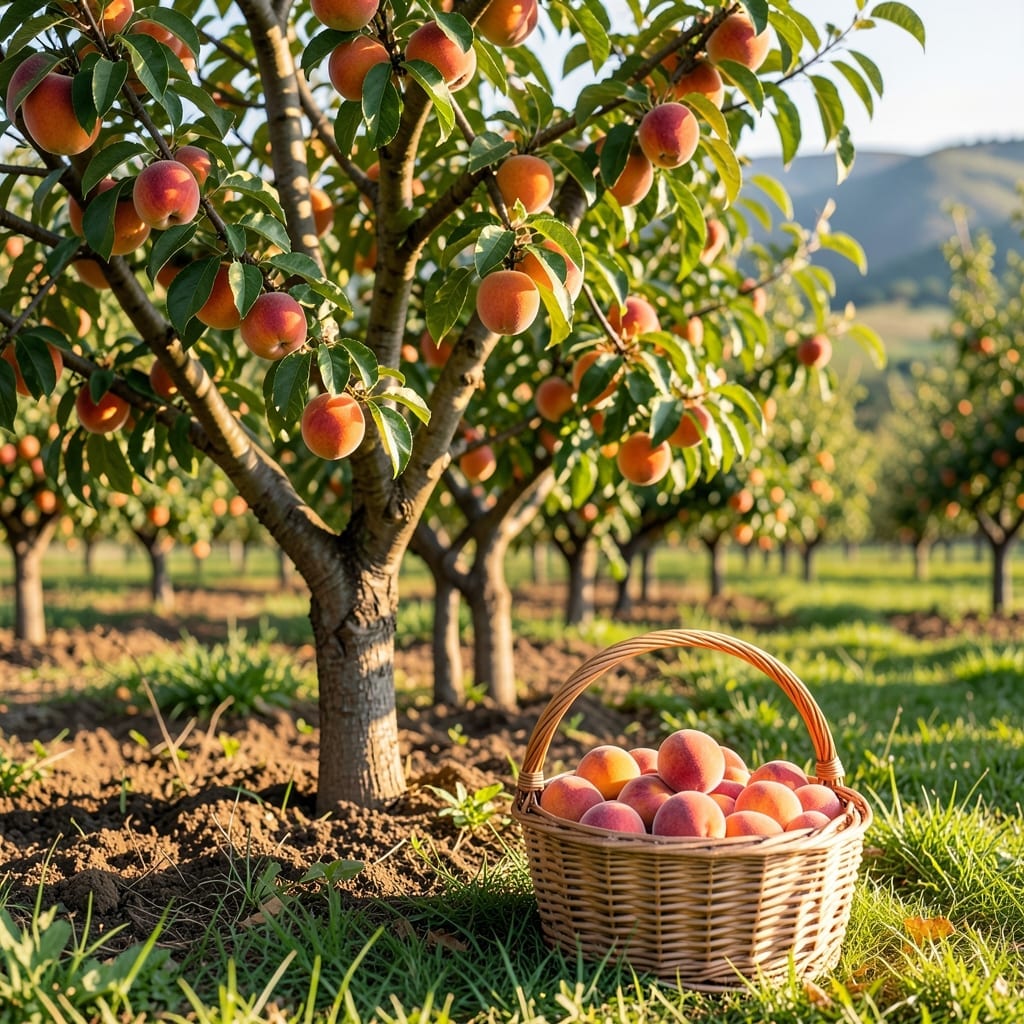
Nothing beats the taste of a sun-ripened 🍑 peach fresh from your own tree, but timing is everything. Knowing when they ripen ensures you harvest at peak sweetness.
For most gardeners in zones 5-8, the wait is worth it. Those juicy rewards typically arrive when summer is in full swing, making it the highlight of the growing season.
I’ve learned that watching for color changes and a sweet aroma is the key to perfect timing. These simple cues take the guesswork out of harvesting your peaches.
Discover how to align your harvest with nature’s calendar and enjoy the freshest fruit possible. Let’s make this your best peach season yet.


If you’re wondering what month peaches ripen, the answer depends on your variety and climate zone. Most peach trees follow a predictable schedule, but regional differences can shift the timeline by weeks.
In USDA zones 5-8, the typical peach harvest window spans from late June through August. Early varieties often ripen first, followed by mid-season and late-season types.
| Variety | Ripening Months | USDA Zones |
|---|---|---|
| Early Season | June – Early July | 5-8 |
| Mid-Season | July – Early August | 5-9 |
| Late Season | August – September | 6-8 |
For gardeners in cooler zones like zone 5, peaches may ripen 1-2 weeks later than in warmer areas. I’ve noticed that trees in zone 7 often produce fruit earlier due to longer growing seasons.
If you’re growing dwarf peach trees in containers, expect a similar timeline, but monitor closely. Container-grown trees can be more sensitive to temperature fluctuations.
In California’s Central Valley, where summers are hot and dry, peaches often ripen earlier. Some varieties there can be ready as early as May, thanks to the extended growing season.
For Southern states like Georgia or Texas, the harvest may start in late May and continue through August. The heat and humidity accelerate ripening, but watch for pests and diseases in these conditions.
If you’re in zone 4 or colder, peach trees may struggle to produce fruit consistently. Consider cold-hardy varieties like ‘Reliance’ or ‘Contender’, which can handle lower temperatures.
I always recommend checking with local nurseries or extension offices for the most accurate ripening times in your area. They’ll know which varieties thrive in your specific climate.
Remember, microclimates within your garden can also affect ripening. A sunny south-facing wall might produce earlier peaches than a shadier spot.
Finally, keep a gardening journal to track your tree’s progress year to year. You’ll start noticing patterns that help you predict ripening with precision ☀️
Knowing exactly when to pick peaches is as important as knowing what month they ripen. I rely on a few simple cues to ensure I harvest at peak sweetness every time.
The first sign is color change. Most peaches transition from green to yellow, red, or a mix as they ripen. This visual cue is often the easiest to spot from a distance.
Next, use the smell test. A ripe peach will have a strong sweet scent at the stem. If there’s no aroma, it’s not ready yet.
Gently squeeze the fruit. A ripe peach yields slightly to gentle pressure, similar to a ripe avocado. Avoid squeezing too hard to prevent bruising.
Finally, try the twist test. A peach that’s ready to pick will separate easily from the branch with a gentle twist. If it resists, leave it for another day or two.
I’ve found that early morning is the best time to harvest, as the fruit is firmer and less likely to bruise. Always use clean pruning shears or twist gently by hand.
Remember, peaches won’t ripen properly once picked, so timing is crucial. Trust these sensory cues more than the calendar for the best results 🌳