
Beautiful Plants For Your Interior
Beautiful Plants For Your Interior
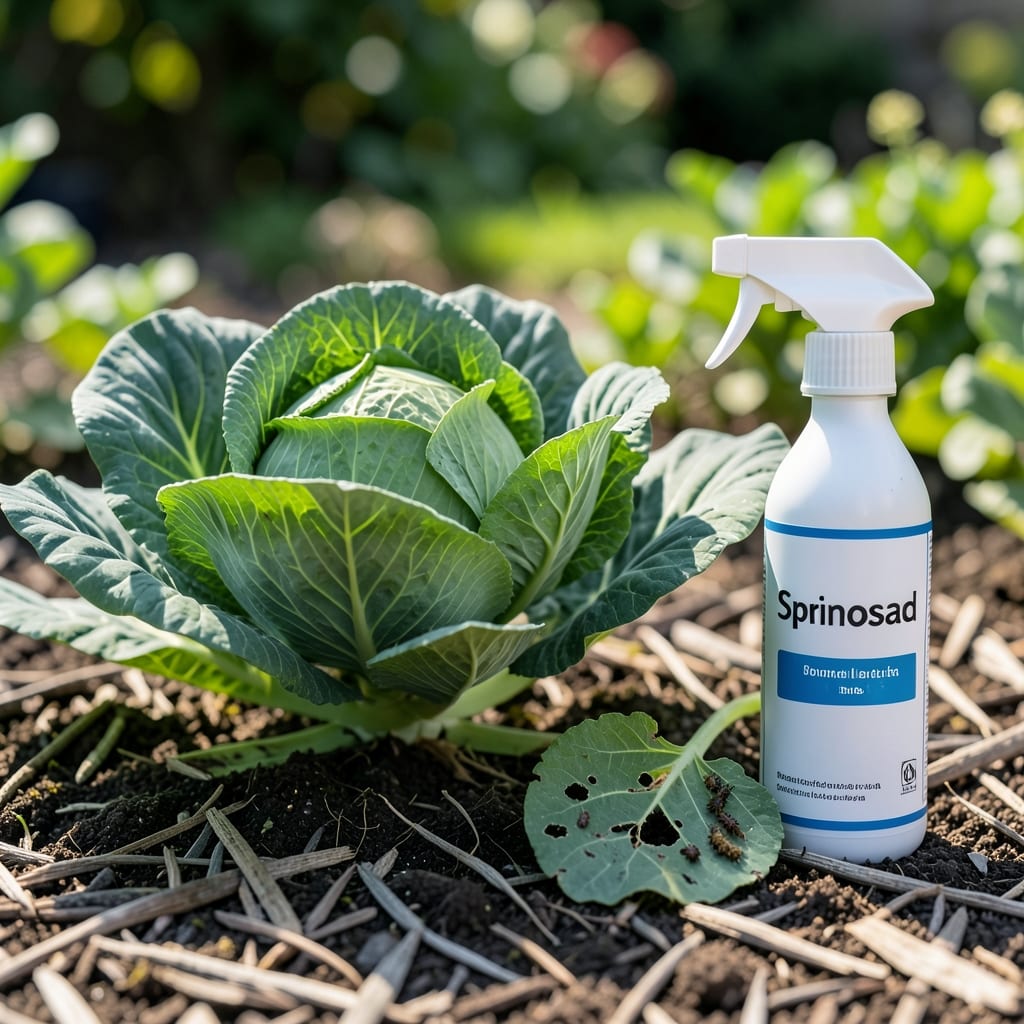
Spinosad is a natural, organic pesticide derived from soil bacteria, primarily used to control caterpillars, thrips, leafminers, and other pests on vegetables, fruits, and ornamental plants.
I’ve had great success using this in my garden against tomato hornworms and cabbage loopers without harming ladybugs or bees. 🔥 It works by overstimulating the pest’s nervous system, and its organic certification means it meets strict environmental standards. The key is applying it in the evening when pollinators are less active.
💡 In This Article
Spinosad targets pests by disrupting their nervous systems at a cellular level. It binds to nicotine and GABA receptors, causing uncontrolled muscle contractions and paralysis. This process happens within 1-2 days of contact or ingestion, making it highly effective against soft-bodied insects like caterpillars and thrips. 🔥
The compound shows remarkable selectivity due to its unique mode of action. While devastating to target pests, it has minimal impact on mammals, birds, and most beneficial insects when used as directed. This selectivity earned it OMRI listing for organic gardening. ✨
What makes spinosad special is its dual action—it works both by contact and through ingestion. Pests don’t need to directly touch the spray; consuming treated foliage delivers the same fatal results. This makes it particularly effective against leafminers and boring insects that might avoid surface contact. 💫
The active compounds, spinosyn A and D, are produced through fermentation of Saccharopolyspora spinosa, a naturally occurring soil bacterium. These compounds break down quickly in the environment, with a half-life of just 1-7 days in soil and 1 day in sunlight, reducing residue concerns. ⚡
Field studies show it maintains 80-95% efficacy against target pests for 7-10 days after application. This longevity makes it ideal for protecting crops through their most vulnerable growth stages without requiring daily reapplication. 🌟
Yes, it’s OMRI-listed for organic gardening. Just stop applications 3 days before harvest for vegetables and fruits to ensure safety. Always follow label rates for edible crops.
Pests typically show effects within 1-2 days after contact or ingestion. Full control may take up to 3-4 days, depending on the infestation severity.
It’s considered low-risk for bees when applied in the evening. Avoid spraying directly on blooming flowers to minimize exposure to pollinators.
Avoid mixing with alkaline products like lime sulfur. However, it’s generally compatible with most other organic pesticides and fungicides. Always test on a small area first.
It’s rainfast within 1 hour of drying. If heavy rain occurs soon after application, you may need to reapply for full pest protection.