
Beautiful Plants For Your Interior
Beautiful Plants For Your Interior
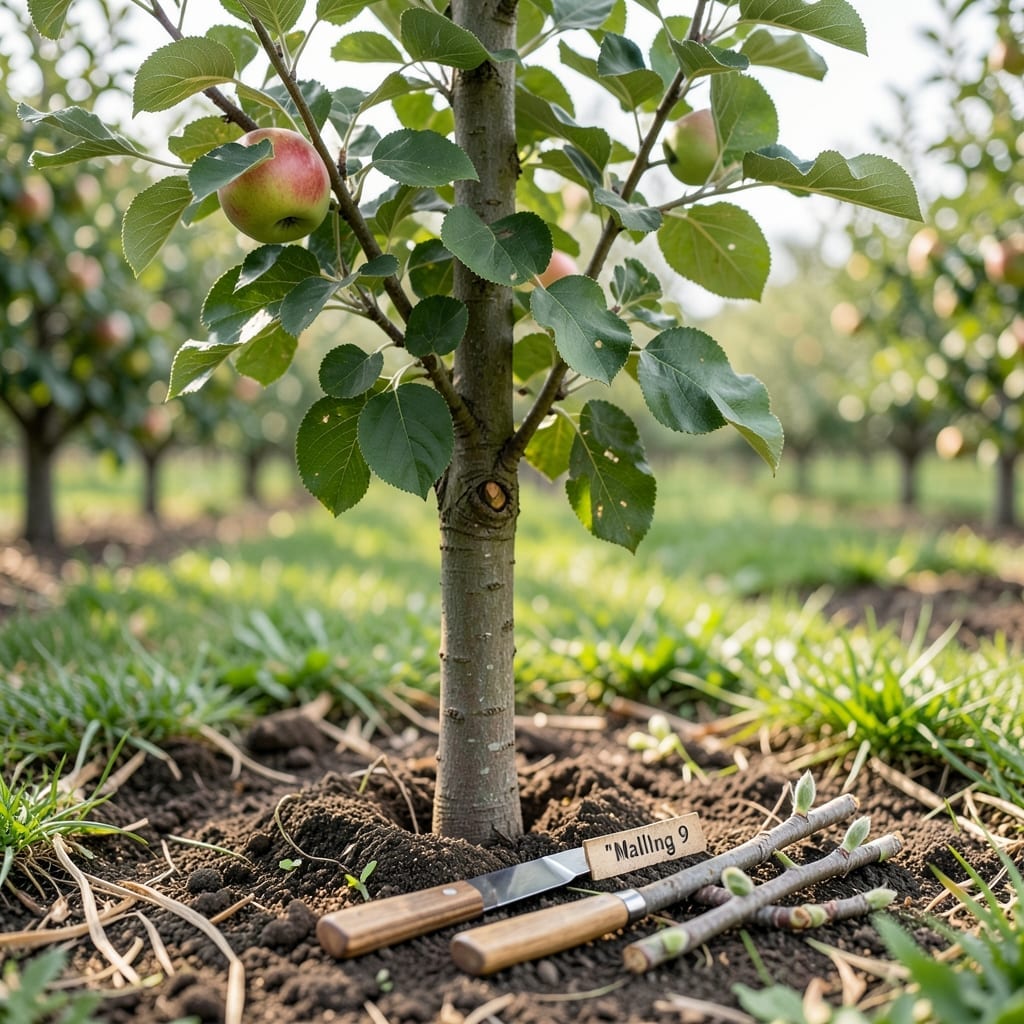
Rootstock is the lower part of a grafted plant that provides the root system. It determines the plant’s size, disease resistance, and adaptability to soil conditions.
I think of rootstock as the foundation of any grafted plant, since it controls how well the plant takes up water and nutrients from the soil. Dwarf rootstocks keep fruit trees manageable for backyard gardens, while vigorous types help plants thrive in poor soil. This hidden hero often decides whether your grafted plant will struggle or flourish for years to come. ⚡
💡 In This Article
The rootstock’s genetic makeup directly controls how water and nutrients travel to the scion. Its root architecture—whether shallow or deep—determines the plant’s drought tolerance. Deep-rooting types like Bitter Faba for citrus can access moisture 10-15 feet below surface, while fibrous systems excel in clay soils. 🔥
Rootstock also produces hormones that regulate scion growth. Dwarfing varieties, such as M.9 for apples, naturally limit cell elongation in the scion through reduced gibberellin production. This keeps trees at 8-10 feet tall instead of 20+ feet, making harvest easier. The hormone balance affects fruit size, color development, and even sugar content.
Disease resistance works through specific genetic traits. Phloem-limited viruses that would kill susceptible scions get blocked by resistant rootstock at the graft union. For example, Lovell peach rootstock resists root-knot nematodes, while Myrobalan plum handles wet soil conditions that would drown other roots. ✨
Nutrient uptake efficiency varies dramatically between types. Some rootstocks, like Hass avocado, excel at absorbing potassium in sandy soils, while others specialize in iron uptake from alkaline conditions. This means the same scion variety can produce 30% more fruit when paired with the right rootstock for your soil’s mineral profile.
Environmental adaptability shows in cold hardiness. Antonovka apple rootstock survives temperatures down to -40°F, while tropical varieties like Cleopatra mandarin tolerate only brief chilling. The rootstock’s ability to store carbohydrates also determines how quickly the plant recovers from winter damage or pruning cuts. 💫
What most gardeners don’t realize is that rootstock age matters too. Young rootstock establishes faster but may lack the vigor of mature wood. Commercial nurseries often use 1-year-old rootstock for best results, as it provides enough stored energy for the scion while still being adaptable to new soil conditions.
Different types control plant size, from dwarf to full-size, and provide disease resistance. M.9 keeps apple trees small, while Antonovka handles extreme cold. This lets you grow plants that wouldn’t normally thrive in your climate or space.
Most rootstocks establish within 1-2 years, with visible new growth. The scion typically starts growing vigorously once the roots are well-established, often by the second growing season. Proper watering speeds up this process.
Indirectly, yes! While the scion determines flavor, rootstock influences nutrient uptake, which can impact sugar content and fruit size. A well-matched pair often produces better-quality fruit compared to mismatched combinations.
Poor matches may struggle with nutrient deficiencies or drainage issues. For example, using a drought-sensitive type in sandy soil can lead to stunted growth. Always test your soil first.