
Beautiful Plants For Your Interior
Beautiful Plants For Your Interior
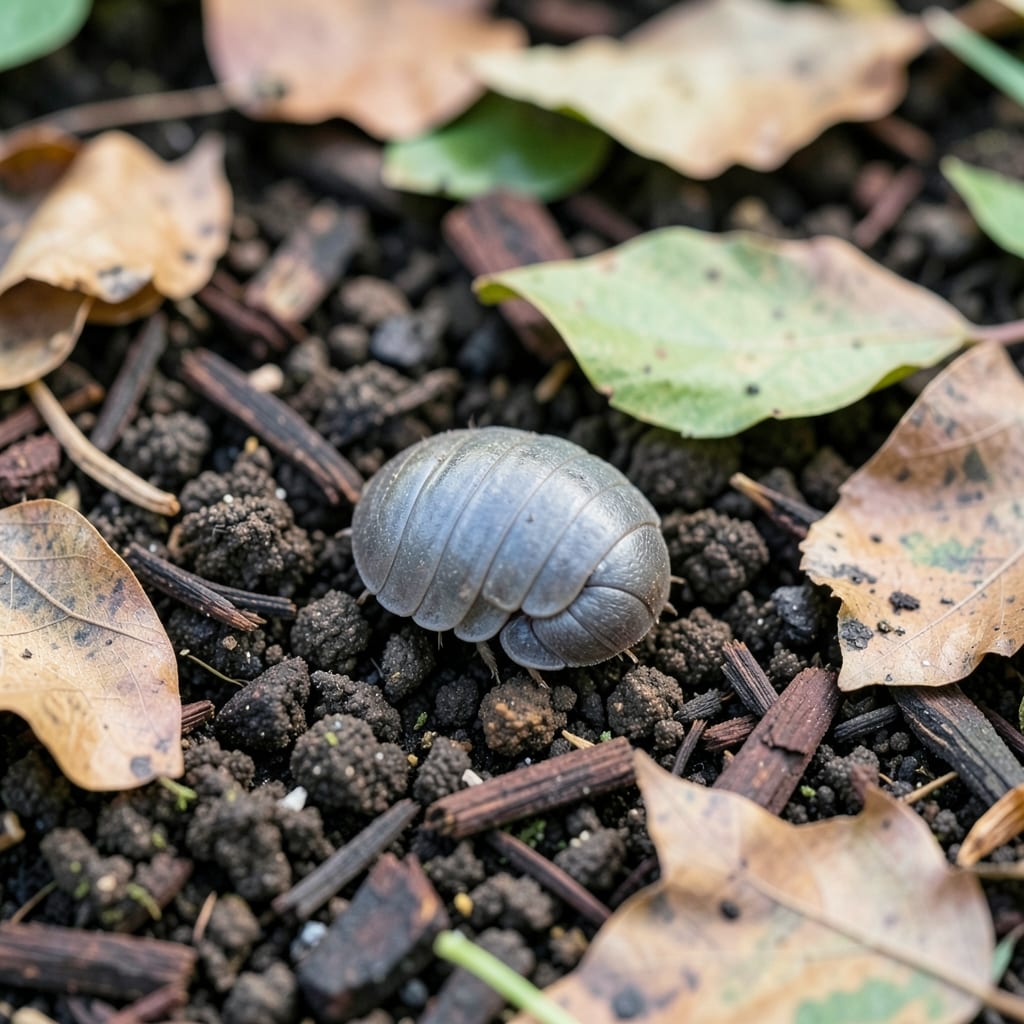
Roly poly is a common name for pill bugs or woodlice, small crustaceans that curl into a ball when threatened. They thrive in moist environments and help break down organic matter in gardens.
These tiny creatures are nature’s recyclers, transforming dead leaves and plant debris into rich soil nutrients. 💫 I often spot them under damp logs or rocks, where they stay safe from predators. Their ability to curl up is a fascinating defense mechanism that protects their soft undersides, and they play a key role in maintaining soil health without any effort on my part.
💡 In This Article
These creatures are actually terrestrial isopods, more closely related to shrimp and crayfish than insects. Their scientific name, Oniscidea, reflects their unique place in the crustacean family tree. The curled-up defense mechanism, called conglobation, protects their vulnerable undersides from predators like spiders and birds.
They breathe through gill-like structures that require moisture to function, which is why they’re always found in damp environments. Without this moisture, they can’t extract oxygen from the air. Their lifespan is surprisingly long for such small creatures, often living 2-5 years in ideal conditions. 🔥
As decomposers, they consume dead plant material at an impressive rate—up to half their body weight daily. This process returns vital nutrients like nitrogen and phosphorus to the soil. Their digestive systems even contain copper-based enzymes that help break down tough cellulose.
You’ll typically find them in leaf litter, under bark, or in compost piles where humidity stays above 70%. They’re most active at night when moisture levels are highest and temperatures range between 50-70°F. During the day, they seek shelter to prevent desiccation. ✨
Unlike many garden insects, they don’t bite or sting, making them completely harmless to humans. Their antennae are highly sensitive to changes in humidity, guiding them toward moister environments. This behavior explains why they quickly disappear when their habitat starts drying out.
They curl up as a defense mechanism called conglobation to protect their soft undersides from predators. This behavior also helps them retain moisture in dry conditions.
No, they only eat decomposing organic matter like dead leaves and plant debris. They actually improve soil health by breaking down material and recycling nutrients.
Maintain moist areas with leaf litter, mulch, or compost. Avoid chemical pesticides and ensure consistent moisture levels between 50-70°F. They thrive in such environments.
Reduce excess moisture and remove decaying plant matter. Their presence indicates a healthy ecosystem, but overpopulation suggests too much organic debris.