
Beautiful Plants For Your Interior
Beautiful Plants For Your Interior
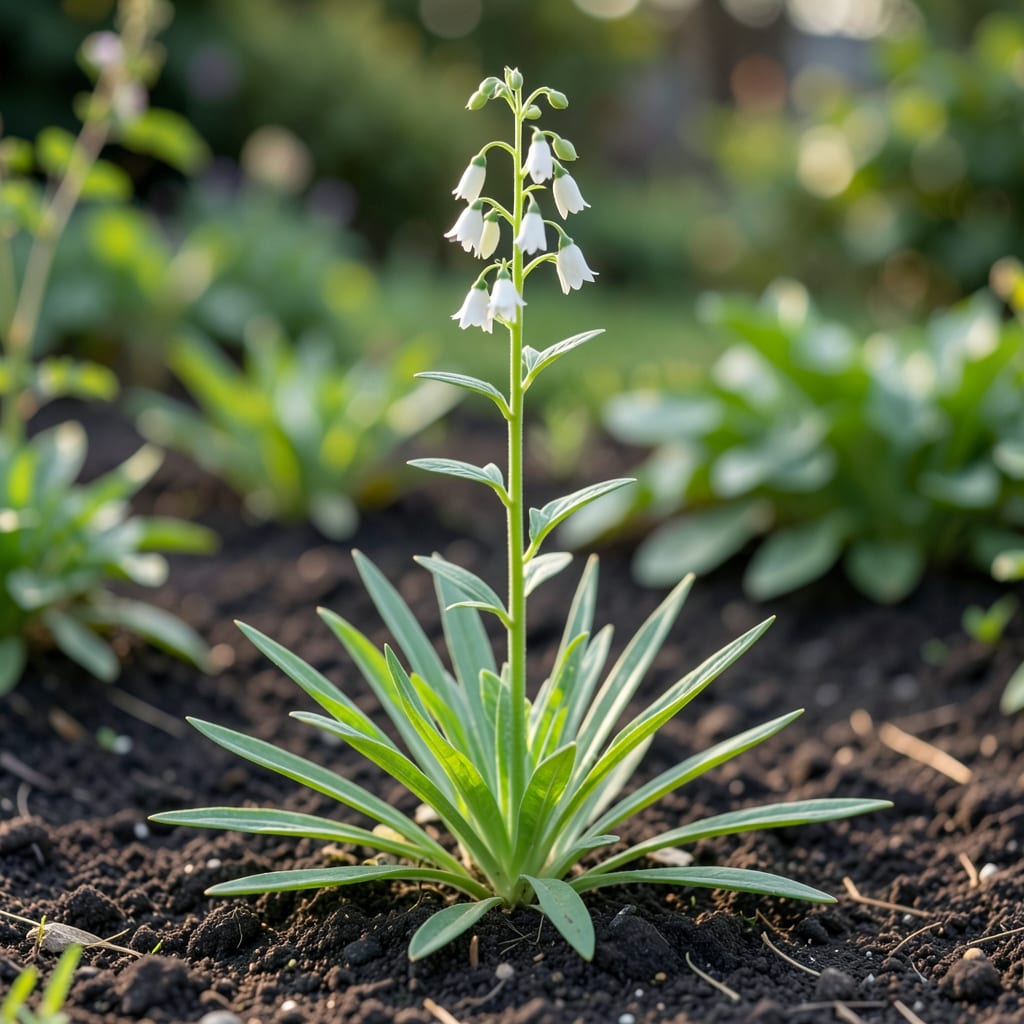
Rampion is a perennial herb also called wild ramp, known for its edible leaves and roots with a slightly bitter, radish-like flavor. It thrives in woodlands and is often grown for culinary use.
I’ve found rampion to be a fascinating plant with deep roots in European cuisine, where it was once as prized as asparagus. Its peppery bite makes it a unique addition to salads or cooked dishes, while its hardiness allows it to grow in shaded, moist areas. What’s most intriguing is how it bridges the gap between wild foraging and intentional cultivation. 💫
💡 In This Article
Rampion’s culinary history traces back to 16th-century Europe, where it was a staple in spring dishes. Nobles prized its tender shoots, often serving them steamed with butter, much like asparagus. The roots, with their pungent kick, were pickled or boiled to mellow the sharpness. 🔥
In traditional French cuisine, rampion was a key ingredient in “soupe aux herbes”, a spring herb soup. Its peppery notes balanced rich meats like pork and game. The leaves, packed with vitamin C and minerals, were also used in medicinal tonics to ward off scurvy. ✨
Modern chefs rediscovered rampion for its unique flavor profile—somewhere between radish and arugula. It works beautifully in salads with goat cheese and walnuts, or sautéed with garlic as a side. Its versatility shines in both raw and cooked applications. 💫
The plant’s wild nature made it a forager’s favorite. Unlike cultivated greens, rampion retains its bold flavor even when grown in gardens. This resilience, combined with its rich history, keeps it relevant in farm-to-table cooking today. ⚡
Culturally, rampion appears in old English herbals as a remedy for digestive ailments. Its compounds stimulate appetite and aid digestion, explaining its presence in post-feast meals. This dual role as food and medicine cemented its place in herbal lore. 🌟
Yes, rampion is often called wild ramp due to its similar flavor profile. Both belong to the same family and share that distinctive peppery, radish-like taste, though rampion tends to be slightly milder.
Young leaves can be eaten raw in salads, while mature roots should be peeled and boiled for 10-15 minutes to soften their sharpness. For cooked dishes, sauté with garlic in olive oil for best results.
Use a 12-inch deep pot with well-draining soil and place it in partial shade. Keep the soil moist, and you’ll have fresh rampion in 6-8 weeks. Containers are great for controlling its spread.
Asparagus became more widely cultivated and easier to grow commercially. Rampion’s strong flavor and need for specific growing conditions made it less practical for large-scale production.