
Beautiful Plants For Your Interior
Beautiful Plants For Your Interior
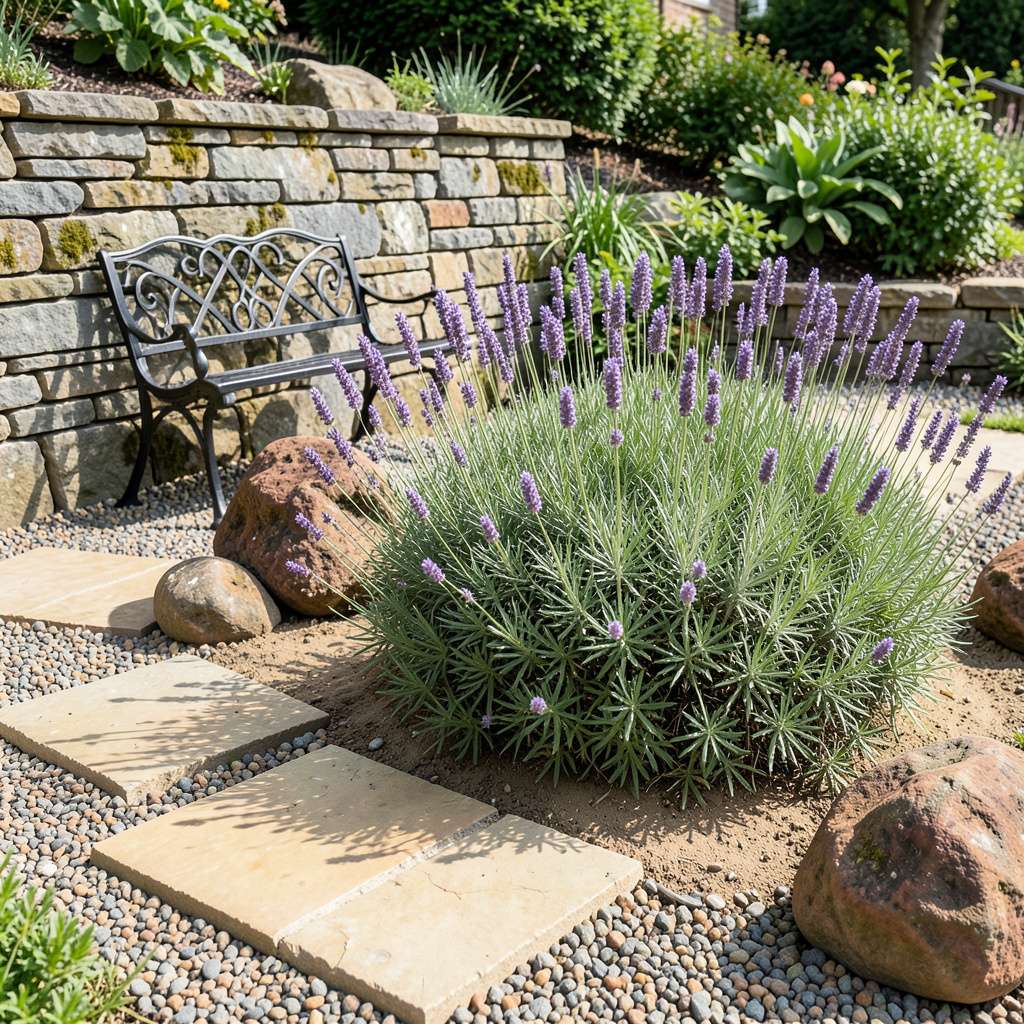
Hardscape landscaping refers to the non-living, structural elements in outdoor spaces—like patios, walkways, retaining walls, and water features—that provide function, organization, and visual contrast to softscape elements like plants and grass.
Think of hardscaping as the bones of your outdoor space—the framework that shapes how you use and experience your yard. 🌿 From the flagstone pathway guiding guests to your front door to the dry-stack wall holding back a sloped garden, these elements solve practical problems while creating visual impact. I’ve seen hardscapes transform unusable spaces into inviting patios, turn steep hillsides into terraced gardens, and even reduce maintenance by replacing high-care lawn areas with durable materials.
What many don’t realize is how hardscapes influence the flow of outdoor living. A well-placed fire pit becomes the natural gathering spot, while strategically positioned boulders can direct foot traffic or create private nooks. The materials you choose—whether bluestone pavers, cedar pergolas, or stamped concrete—set the style tone for your entire landscape, from rustic to contemporary. ✨
💡 In This Article
Hardscapes form the backbone of outdoor spaces through carefully chosen materials that serve specific functions. Pavers come in materials like bluestone, brick, or concrete, each offering different durability and aesthetic appeal. For example, natural stone pavers can last 25-50 years with proper installation, while concrete pavers typically last 20-30 years but offer more color options.
The thickness matters too—2-inch pavers work for walkways, while 3-inch are needed for driveways. 🔥
Retaining walls solve both practical and visual challenges. A segmental block wall (like Allan Block) can hold back 3-4 feet of soil without reinforcement, while natural stone walls require careful dry-stacking techniques. The angle matters: walls taller than 4 feet often need engineering approval. Timber walls offer a rustic look but typically last only 10-15 years compared to stone’s 50+ year lifespan. Water drainage behind walls is critical—without proper gravel backfill and weep holes, hydrostatic pressure can cause failure. ✨
Wood elements like pergolas and decks require specific treatments for outdoor durability. Cedar and redwood naturally resist rot, while pressure-treated pine can last 15-20 years with annual sealing. The key difference? Heartwood (center of the tree) resists decay better than sapwood. For metal accents, corten steel develops a protective rust patina, while aluminum won’t rust but can dent. The thickness of metal edging (typically 1/8″ to 1/4″) determines how well it contains gravel or mulch. 💫
Water features introduce dynamic elements that require special considerations. A pondless waterfall needs a 1,000-gallon reservoir for every 10 feet of waterfall to maintain proper circulation. Concrete fountains must be sealed annually to prevent mineral buildup, while natural stone basins develop beautiful patinas over time.
The pump size matters—too small and you get weak flow; too large and you create excessive splash. A good rule: 100 GPH (gallons per hour) for every inch of waterfall width. 🌟
Lighting transforms hardscapes after dark while serving practical purposes. LED path lights should be spaced 6-8 feet apart along walkways for even illumination. Low-voltage systems (typically 12 volts) are safer than line voltage but require proper transformer sizing. The color temperature matters—2700K gives warm ambient light, while 4000K provides brighter task lighting.
Solar lights work well in sunny climates but may need backup battery systems in cloudy regions. ⚡
Fire features extend outdoor living seasons but require careful planning. A gas fire pit needs 20,000-50,000 BTUs for adequate heat output, while wood-burning versions require 18-24 inches of clearance from combustible materials. The base material matters—fire glass reflects heat beautifully but can reach 1,300°F, while lava rock holds heat longer.
Always include a spark arrestor screen for wood-burning features to prevent embers from escaping. 💛
For beginners, interlocking concrete pavers and pre-cast retaining wall blocks are the most forgiving. They require minimal cutting and offer built-in alignment systems. Natural stone like flagstone creates beautiful patios but needs more skill to lay properly. Always start with a solid, compacted base of crushed gravel (at least 4-6 inches deep) for any project.
Apply polymeric sand after installation—it hardens when wet, creating a weed-resistant barrier. For existing patios, use a flat-head screwdriver to remove weeds, then apply boiling water or vinegar solution (1:1 ratio) to kill roots. Annual reapplication of sand maintains protection while allowing proper drainage between stones.
French drains (gravel-filled trenches with perforated pipe) and dry creek beds redirect water beautifully. For slopes, terraced retaining walls with weep holes every 3 feet prevent erosion. Always ensure hardscapes slope 1/4 inch per foot away from your home’s foundation to avoid water damage.
Natural stone lasts 50+ years, while concrete pavers typically endure 20-30 years. Pressure-treated wood decks last 15-20 years with proper sealing, but cedar or redwood can reach 30+ years. Metal elements like corten steel develop protective patinas that extend their life indefinitely with minimal maintenance.
Consider your climate and terrain. Patios (stone/concrete) excel in wet climates and on uneven ground, while decks (wood/composite) work better for elevated spaces. For longevity, stamped concrete patios require less maintenance than wood decks but may crack in freeze-thaw cycles. Always check local building codes for height restrictions.
