
Beautiful Plants For Your Interior
Beautiful Plants For Your Interior
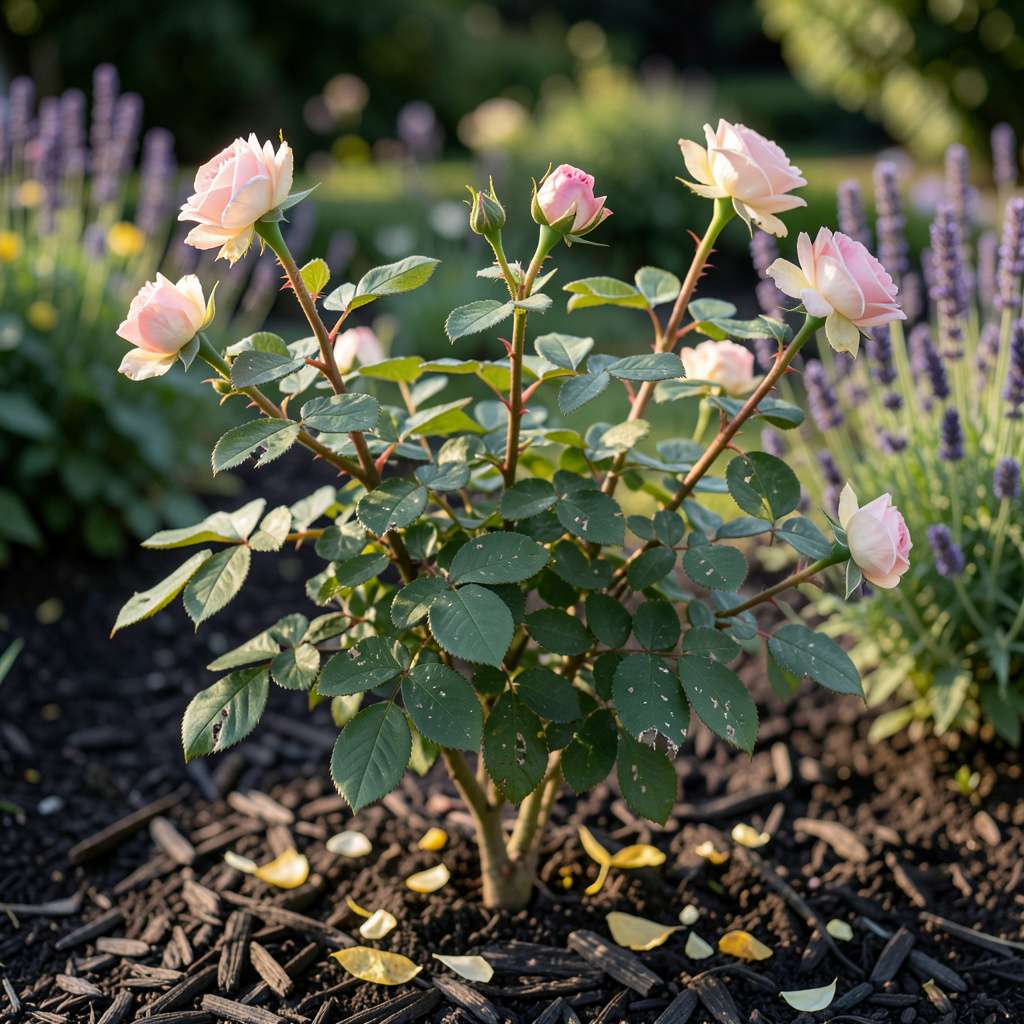
Japanese beetles, aphids, sawfly larvae, and deer are the most common culprits eating rose leaves. Check for jagged edges (beetles), skeletonized leaves (sawflies), or sticky residue (aphids) to identify the pest.
Your roses aren’t just being attacked—they’re being targeted by pests with very specific dining habits. 🌹 I’ve noticed that Japanese beetles leave behind that telltale metallic green sheen, while sawfly larvae create such intricate lace patterns you might mistake them for art. What’s particularly frustrating is how aphids reproduce so rapidly that a small cluster today can become a full-blown infestation in days. The key is catching these signs early before they stress your plants beyond recovery.
Deer damage often gets overlooked because it’s so different from insect activity. Instead of small holes or patterns, you’ll see entire stems stripped clean, usually overnight. This is why I always recommend checking your garden at dawn—it’s the best time to spot fresh damage and identify whether you’re dealing with four-legged browsers or six-legged munchers.
💡 In This Article
Every pest leaves a calling card on your rose leaves if you know where to look. Japanese beetles create irregular, ragged holes between leaf veins, often starting at the top of the plant and working downward. Their metallic green bodies (about ½ inch long) are unmistakable when you spot them feeding in broad daylight.
What’s particularly damaging is their habit of skeletonizing leaves while also feeding on flower buds—double trouble for your roses. 🌿
Sawfly larvae are the artists of the pest world, transforming leaves into delicate lace patterns. These green caterpillar-like creatures (up to 1 inch long) feed in groups on the undersides of leaves, creating window-pane effects as they eat everything but the veins.
Unlike true caterpillars, sawfly larvae have 6-8 prolegs instead of 5, and they wiggle violently when disturbed—a key identification trait. Their damage appears overnight because they feed continuously, often defoliating entire stems in days. ✨
Aphids create sticky situations—literally. These tiny (⅛ inch), pear-shaped insects cluster on new growth and leaf undersides, sucking plant juices and excreting honeydew. The first sign is often curled or distorted leaves, followed by that telltale shiny residue that attracts ants.
Aphids reproduce at alarming rates—one female can produce 50-100 offspring in a week without mating. Their feeding weakens plants and spreads viruses, making early detection critical. 🔍
Deer damage tells a different story entirely. Instead of patterns, you’ll find clean cuts where entire stems disappear overnight, often with jagged edges where teeth tore the plant. Look for hoof prints in soft soil and browse lines—deer typically eat up to 6 feet high but will stand on hind legs for choice blooms.
Their feeding peaks at dawn and dusk, which is why those are the best times to catch them in the act or set up deterrents. 🦌
Here’s what most gardeners miss: The location of damage matters. Chewing on flower buds? Likely beetles. Holes only on leaf edges? Probably slugs or earwigs. Yellowing between veins? That’s spider mite activity.
I always recommend using a 10x magnifying glass to examine leaf undersides—many pests are nearly invisible to the naked eye but leave obvious signs under magnification. This simple tool has saved my roses countless times by revealing problems before they become crises. 💫
Beetles leave irregular holes between leaf veins, while caterpillars create larger, ragged edges. Japanese beetles have a metallic green sheen and feed during the day. Sawfly larvae (often mistaken for caterpillars) create lace-like patterns by eating everything but the veins.
That’s honeydew, a sugary waste product from aphids. These tiny green or black insects cluster on new growth and leaf undersides. The sticky residue often attracts ants and can lead to sooty mold. Wipe leaves with soapy water and apply neem oil to control them.
Deer love roses and will target them even among other plants. They leave clean cuts on stems and often feed at dawn/dusk. Try scent deterrents like soap bars or motion-activated sprinklers. For persistent problems, 8-foot fencing is the most reliable solution.
Inspect your roses every 2-3 days during growing season. Focus on leaf undersides and new growth where pests hide. Early morning is best—pests are sluggish and damage is fresh. Use a magnifying glass to spot tiny eggs or mites before they become visible problems.
Yes! Mix 1 tablespoon dish soap with 1 quart water to spray aphids. Crushed eggshells around plants deter slugs. Even old pantyhose can protect buds from beetles. Always test homemade remedies on a few leaves first to avoid plant damage.
