
Beautiful Plants For Your Interior
Beautiful Plants For Your Interior
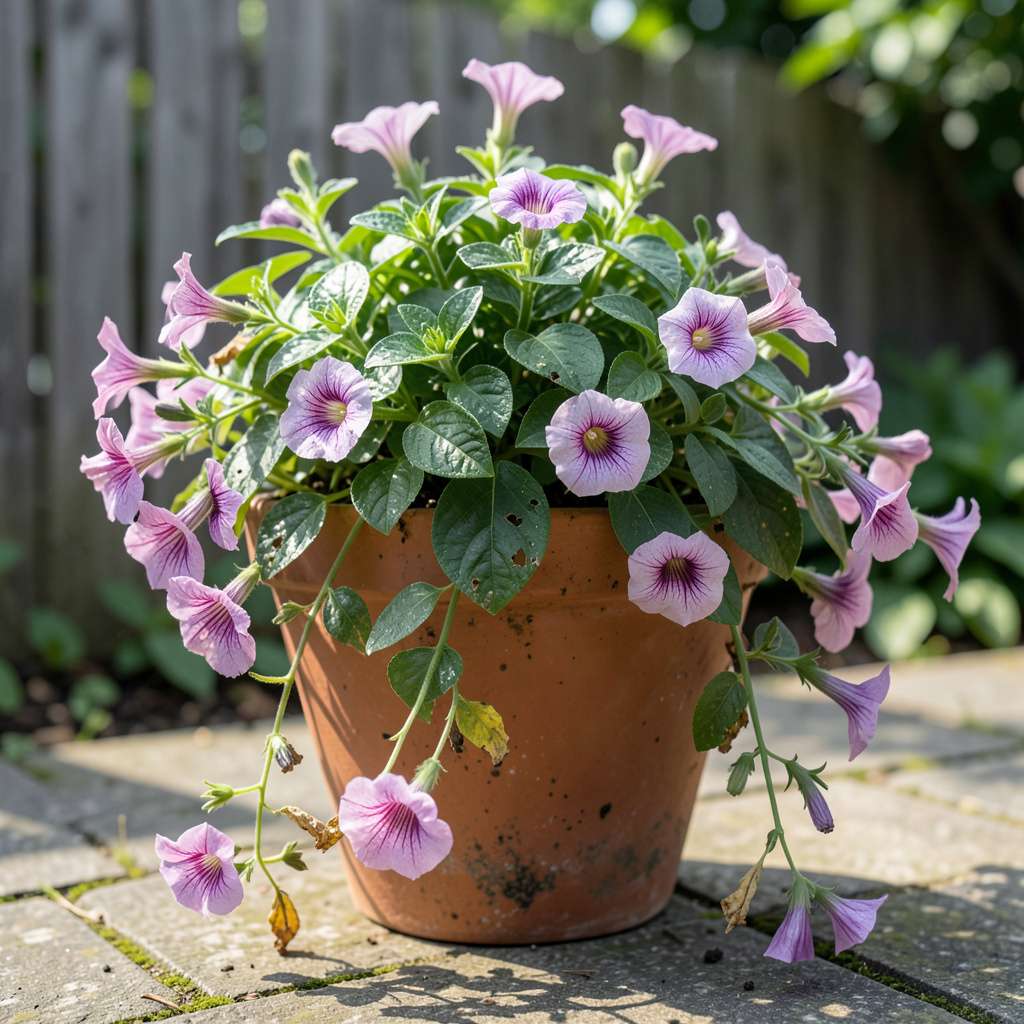
Slugs, snails, caterpillars, and earwigs are the most common culprits eating petunias. Slugs and snails leave silvery slime trails, while caterpillars create ragged holes in leaves and flowers. Earwigs chew irregular edges, often at night.
These garden invaders are particularly drawn to petunias because of their tender foliage and vibrant blooms. 🌸 I’ve noticed that slugs and snails thrive in moist conditions, so they’re especially problematic after rain or in poorly drained areas. Caterpillars, on the other hand, often target the newest growth first, which can stunt your plants’ development if left unchecked. What’s tricky about earwigs is their nocturnal feeding habits—you might not see them during the day, but their jagged bite marks give them away.
From my experience, the key to protecting your petunias lies in early detection and understanding each pest’s behavior. Slugs prefer dark hiding spots under leaves, while caterpillars might leave behind tiny black droppings called frass. Earwigs often seek shelter in dense foliage or mulch. Recognizing these patterns helps you target your control methods more effectively. ✨
💡 In This Article
Each petunia predator leaves a distinct calling card if you know where to look. Slugs and snails create irregular holes with smooth edges, often surrounded by a glistening silvery slime trail that dries to a shiny film.
These trails are actually mucus secretions containing calcium carbonate, which helps them glide while protecting their soft bodies from abrasive surfaces. 🐌 The damage typically appears overnight or after rain when humidity levels exceed 80%—perfect conditions for these mollusks to become active.
Caterpillars, particularly tobacco budworms and variegated cutworms, leave ragged, chewed edges on leaves and flowers. What sets them apart is the presence of dark green frass (insect droppings) that looks like tiny black pellets near the damage. These pests feed continuously, with budworms targeting flower buds specifically—often boring directly into them.
The feeding pattern creates a Swiss cheese effect on leaves, with holes ranging from 1/8 to 1/2 inch in diameter.
Earwigs create a unique jagged, shredded appearance along leaf margins, almost as if someone took tiny scissors to your petunias. They prefer feeding at night when temperatures drop below 70°F, leaving the damage visible by morning. Unlike caterpillars, earwigs don’t leave frass but may deposit small, yellowish eggs in soil cracks or under mulch.
Their pincers can leave tiny parallel scratches on stems where they’ve climbed.
For accurate identification, examine plants with a flashlight 1-2 hours after sunset when most pests are active. Slugs will be visibly moving, while caterpillars may curl into a C-shape when disturbed. Earwigs scurry quickly when exposed to light.
🔦 Check the undersides of leaves where many pests hide during daylight—this is where you’ll often find eggs or early-stage larvae before they cause visible damage.
The location of damage provides clues too. Slugs typically start at ground level and work upward, leaving trails on lower leaves first. Caterpillars often begin at the top of the plant, targeting new growth and flower buds. Earwigs concentrate on the outer edges of petunia clumps where they can easily access multiple plants.
This pattern reflects their different mobility—slugs can’t climb well, while caterpillars and earwigs move more freely through foliage.
Seasonal patterns also help with identification. Slug and snail activity peaks in spring and fall during wet periods. Caterpillar populations explode in mid-summer when their host plants are most lush. Earwigs become problematic in late summer as they seek moisture before winter.
Keeping a garden journal with damage photos and dates can reveal these patterns over time, making future identification quicker and more accurate. ✨
Consider the accompanying plant damage too. Slugs often leave a rasp-like texture on leaf surfaces from their radula (tooth-like structures). Caterpillars may spin silken threads between leaves as they move. Earwigs sometimes leave small, shallow trenches in soft soil where they’ve foraged.
These secondary signs often confirm your initial identification when the primary damage patterns seem similar between pests.
The time of day you find the damage matters. Fresh slug trails will be wet and shiny in early morning but dry to a white film by afternoon. Caterpillar damage appears gradually over days as they grow, while earwig damage can seem to appear overnight.
🌅 I’ve found that spraying plants with water and checking for wet trails at dawn is the most reliable way to confirm slug presence before they retreat to hiding spots.
For definitive identification, place 1-foot square boards near your petunias overnight. Slugs and earwigs will gather underneath by morning. Shake plant stems over a white sheet to dislodge caterpillars.
This hands-on approach gives you physical evidence to confirm which pests are active in your specific garden, as the same damage patterns can sometimes indicate different pests in various regions or growing conditions.
Look for silvery slime trails to identify slugs—they leave a shiny residue that dries to a white film. Caterpillars create ragged holes with tiny black droppings (frass) nearby. Slug damage appears overnight, while caterpillars leave gradual, Swiss cheese-like holes over days.
Use beer traps for slugs or diatomaceous earth for earwigs—both target pests specifically. For caterpillars, apply Bt (Bacillus thuringiensis) in the evening when bees are less active. Avoid spraying flowers directly, and always choose OMRI-listed products for pollinator safety.
Rain creates perfect conditions for slugs and snails—they thrive in humidity above 80% and soft soil. Wet foliage also attracts earwigs seeking moisture. Check plants at dawn after rain; you’ll often find fresh slime trails or pests still feeding before they retreat.
Coffee grounds can deter slugs when sprinkled in a 1-inch wide ring around plants—the caffeine is toxic to them. However, they lose effectiveness when wet. For best results, reapply after rain and combine with other methods like copper barriers or beer traps.
For immediate action, handpick pests at night with a flashlight, or set up newspaper traps for earwigs. Apply iron phosphate bait for slugs—it works within hours. For caterpillars, remove them manually and spray remaining plants with neem oil to deter new ones.
