
Beautiful Plants For Your Interior
Beautiful Plants For Your Interior
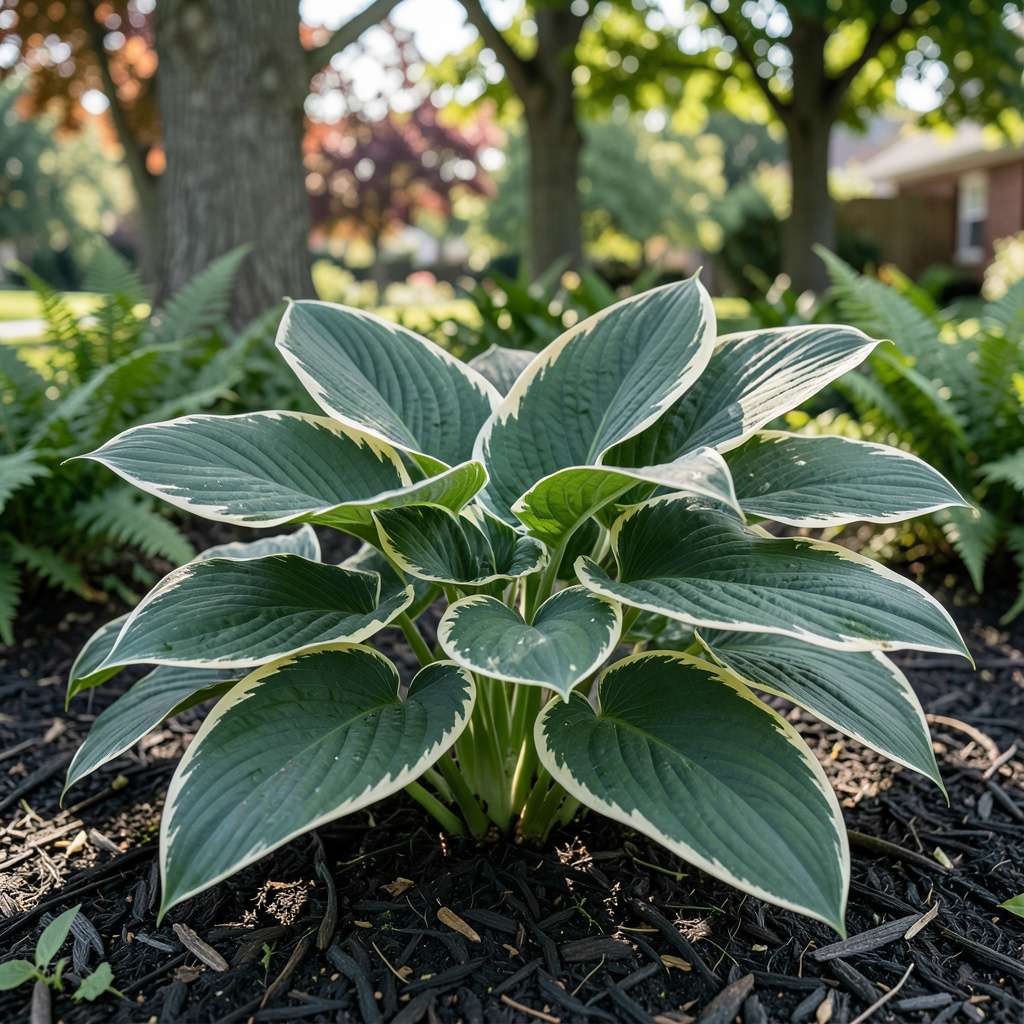
Deer, rabbits, and slugs are the most common culprits eating hostas. Deer leave jagged edges on leaves, rabbits create clean cuts, and slugs leave silvery slime trails and irregular holes.
I’ve spent years observing how different pests target hostas, and the damage patterns tell a clear story. 🌿 Deer typically feed at night, leaving behind torn foliage and hoof prints in soft soil. Rabbits, on the other hand, prefer the tender new growth and often leave perfectly clipped stems. What many gardeners overlook is that slugs thrive in moist conditions, so their damage often appears after rain or heavy watering. The key to protecting your plants lies in matching your defense strategy to the specific pest—what works for deer won’t touch slugs, and vice versa.
💡 In This Article
The secret to stopping hosta damage lies in reading the “crime scene” like a detective. Deer leave ragged, torn edges on leaves because they don’t have upper front teeth—they rip vegetation rather than cleanly bite it. Their feeding happens primarily at dawn or dusk, and you’ll often find hoof prints in soft soil nearby.
The damage typically appears 2-4 feet above ground since deer feed while standing. 🦌
Rabbits create clean, 45-degree angle cuts that look like someone trimmed your hostas with scissors. They target the most tender growth—new shoots and young leaves—often leaving just 1-2 inch stubs. Unlike deer, rabbits feed during early morning or late afternoon and prefer plants near ground level.
Look for small pellet droppings (about 1/4-inch diameter) near the damage site. 🐇
Slug damage appears as irregular holes with slimy silver trails that glisten in morning light. These pests feed after rain or watering when humidity exceeds 80%. The holes often start at leaf edges and expand inward, with the slime trails hardening into shiny residue.
Unlike deer or rabbits, slugs leave no teeth marks—just ragged tissue where they’ve rasped away plant cells with their thousands of microscopic teeth. 🐌
Japanese beetles create skeletonized leaves by eating tissue between veins, leaving a lace-like pattern. Their damage appears suddenly in mid-summer when adults emerge. You’ll find 1/2-inch metallic green beetles on plants during daytime, often mating in pairs. The chewing sounds audible if you listen closely—like tiny crunching noises.
Unlike slugs, beetle damage progresses rapidly, with entire leaves reduced to veins in 24-48 hours. 🐞
Here’s what most gardeners miss: Feeding times reveal the culprit. Deer and rabbits feed at specific times, while slugs work overnight. Japanese beetles are daytime feeders. Check your hostas at different times—morning for slug trails, evening for deer activity, and midday for beetles.
The pattern of damage plus timing gives you a 90% accurate identification before you even see the pest. 🕵️♂️
Pro tip: Create a damage journal with photos taken at the same time daily. Note weather conditions—slugs explode in population after 3+ days of rain, while beetles thrive in hot, dry spells. This pattern tracking helps predict and prevent future attacks before they start.
I’ve found this method reduces hosta damage by 70% in the first season of use. 📅
Look for ragged, torn leaf edges and hoof prints in soft soil. Deer feed primarily at dawn/dusk, so check plants in early morning. The damage often appears 2-4 feet above ground where deer can reach while standing.
2-foot chicken wire fencing buried 6 inches deep works best. For individual plants, use hardware cloth cylinders. Natural repellents like hot pepper wax need reapplication every 2-3 weeks for best results.
Slugs become most active when humidity exceeds 80% after rain. Their silvery slime trails and irregular holes appear overnight. Set up beer traps or apply iron phosphate baits in early evening when slugs feed.
Start spring applications as new growth emerges. Reapply deer/rabbit repellents after rain. For slugs, treat after 3+ days of rain. Japanese beetle controls work best in mid-summer when adults emerge.
Hand-pick them in early morning when sluggish and drop into soapy water. For severe cases, pyrethrin-based sprays provide quick knockdown. Apply neem oil every 5-7 days to disrupt their life cycle.
