
Beautiful Plants For Your Interior
Beautiful Plants For Your Interior
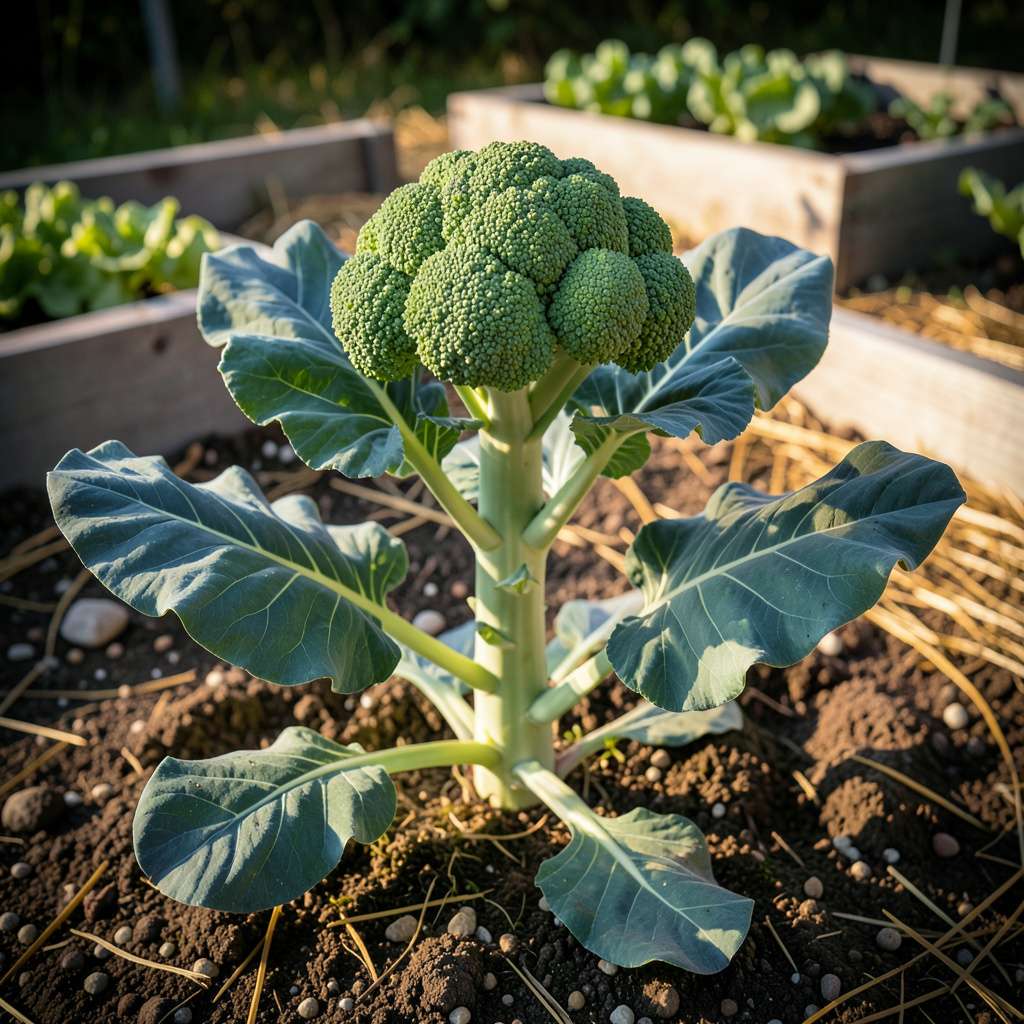
Cabbage worms, flea beetles, and slugs are the most likely culprits chewing your broccoli leaves. Look for small green caterpillars, tiny holes, or silvery trails to identify the specific pest.
I’ve seen these pests wreak havoc in gardens firsthand, and each leaves a distinct calling card. Cabbage worms create irregular holes and green droppings, while flea beetles pepper leaves with tiny, shotgun-like holes. Slugs are the nighttime offenders, leaving behind shiny mucus trails and large, ragged bites. 🔥
What’s tricky is that these pests thrive in different conditions—flea beetles love hot, dry weather, while slugs prefer damp environments. I always recommend checking under leaves and near the soil line, where many of these critters hide during the day. Early detection makes all the difference in saving your crop.
💡 In This Article
Each pest leaves a unique signature on your broccoli leaves that tells you exactly who’s dining in your garden. Cabbage worms create irregular, chewed edges with small green droppings nearby—their feeding pattern resembles someone took tiny bites along the leaf margins.
These caterpillars are masters of camouflage, blending perfectly with broccoli’s green foliage while growing up to 1.5 inches long. 🔥
Flea beetles, on the other hand, leave behind what I call “shotgun damage”—dozens of tiny, round holes that look like someone sprayed the leaves with a pinprick gun. These jumping beetles are only 1/16 to 1/8 inch long but can skeletonize young plants overnight.
Their damage appears most severe on new growth and tender leaves, often giving the plant a lace-like appearance. ✨
Slugs are the nighttime bandits of the garden world. You’ll know they’ve visited by the irregular, large holes they chew and the telltale silvery slime trails they leave behind. These trails actually contain pheromones that attract other slugs to your plants—what starts as one slug can quickly become an infestation.
I always check for their hiding spots under mulch or garden debris during daylight hours. 🌟
The location of damage matters too. Cabbage worms typically feed on the undersides of leaves, while flea beetles attack all surfaces equally. Slugs prefer lower leaves and stems, often working their way up the plant as they consume it.
This vertical pattern helps distinguish them from other pests that might only target the crown or outer leaves.
Here’s what most gardeners miss: the time of day when damage appears. Flea beetle holes often develop during daylight hours, while slug damage appears overnight. Cabbage worms feed continuously but are most active in early morning and late afternoon.
This timing clue can help you catch the culprits in action if you’re having trouble identifying them. ⚡
Consider these key differences when inspecting your plants:
What makes accurate identification so crucial is that each pest requires a different control strategy. What works for slugs (like beer traps) won’t touch flea beetles, and cabbage worm treatments (like Bt spray) are useless against slugs. I’ve seen gardeners waste weeks using the wrong approach simply because they misidentified their pest.
The right diagnosis saves time, money, and your broccoli harvest! 💫
Pest damage typically shows as chewed edges or holes in leaves, while diseases often cause discoloration, spots, or wilting. Look for physical signs like caterpillars, beetles, or slime trails to confirm pest activity. Disease usually spreads uniformly across the plant.
Early morning is ideal, when dew makes pests more visible and slugs may still be active. Cabbage worms are easier to spot before they hide in the heat of the day. Evening is another good time, especially for nocturnal feeders like slugs.
Start with floating row covers to physically block pests. Plant companion herbs like thyme or mint nearby. Regularly remove garden debris where pests hide. Healthy soil and proper spacing also make plants less vulnerable.
Most organic treatments like neem oil or Bt spray need weekly applications, especially after rain. Reapply diatomaceous earth every 3-4 days or after heavy dew. Consistency is key for long-term control.
Yes, these pests aren’t picky! Cabbage worms target all brassicas (kale, cabbage). Flea beetles attack eggplants, potatoes, and radishes. Slugs will munch on almost any tender leafy plant. Monitor your entire garden for signs.
