
Beautiful Plants For Your Interior
Beautiful Plants For Your Interior
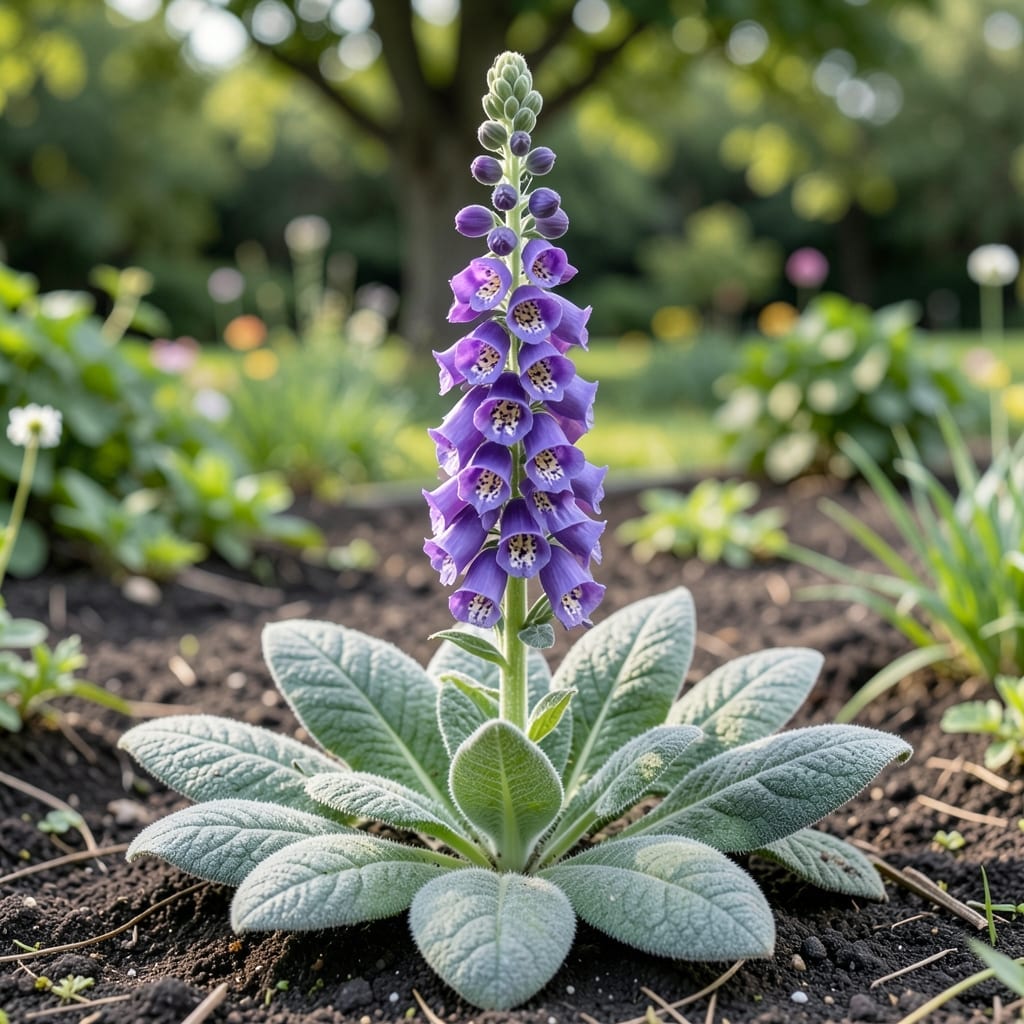
Digitalis is a plant genus in the foxglove family, known for its medicinal compounds used to treat heart conditions, but it is also highly toxic if ingested improperly.
I’ve worked with these striking plants in gardens and can tell you their beauty hides serious potency. The active compounds, like digoxin, directly affect heart muscle contractions, which is why they’ve been used medically for centuries. But this same power means every part of the plant can be deadly if mishandled. 🌿
In my experience, even small doses require careful control, and accidental ingestion can cause severe reactions.
💡 In This Article
The active compounds in digitalis, like digoxin and digitoxin, work by inhibiting the sodium-potassium pump in heart cells. This increases intracellular calcium, which strengthens heart muscle contractions. The result is a slower, more forceful heartbeat that’s especially beneficial for treating atrial fibrillation and heart failure. 💛
Historically, digitalis was used in traditional medicine as early as the 18th century. Physicians noticed that patients with dropsy (edema from heart failure) improved after taking foxglove tea. By the 19th century, the active compounds were isolated, allowing for controlled dosing. Today, digoxin remains a prescribed medication, though synthetic alternatives have largely replaced plant-derived versions.
✨
What makes these compounds so effective is their ability to regulate the heart’s electrical activity. They slow the heart rate while increasing the force of contractions, which improves blood circulation. However, the therapeutic window is narrow—a dose of just 0.5-2 mg can be medicinal, while 10+ mg may be fatal.
This precision is why digitalis is strictly regulated in modern medicine. 🔥
The plant’s cardiac glycosides also affect the kidneys by increasing urine output, which helps reduce fluid buildup in heart patients. This dual action on the heart and kidneys made digitalis a cornerstone of cardiac treatment before more targeted drugs were developed. Even now, it’s sometimes used when other medications fail. 💫
Interestingly, the concentration of active compounds varies between digitalis species. Digitalis purpurea (common foxglove) contains higher levels than Digitalis lanata (woolly foxglove), which is why the latter is often preferred for pharmaceutical extraction. The compounds are most concentrated in the leaves, especially when harvested in the plant’s second year. ⚡
It primarily treats heart failure and atrial fibrillation. The compounds help strengthen heart contractions and regulate irregular heartbeats. Always use only as prescribed by a healthcare professional.
Oral forms may take 1-2 hours to start working, with full effects in 6-12 hours. Intravenous versions act within 15-30 minutes. Dosage timing depends on the specific formulation.
The therapeutic dose is very close to the toxic dose. Even small amounts can cause nausea, irregular heartbeat, or worse. Never ingest any part of the plant directly.
Yes, it interacts with many drugs including diuretics, steroids, and certain antibiotics. These combinations can increase toxicity risk. Always inform your doctor about all medications.