
Beautiful Plants For Your Interior
Beautiful Plants For Your Interior
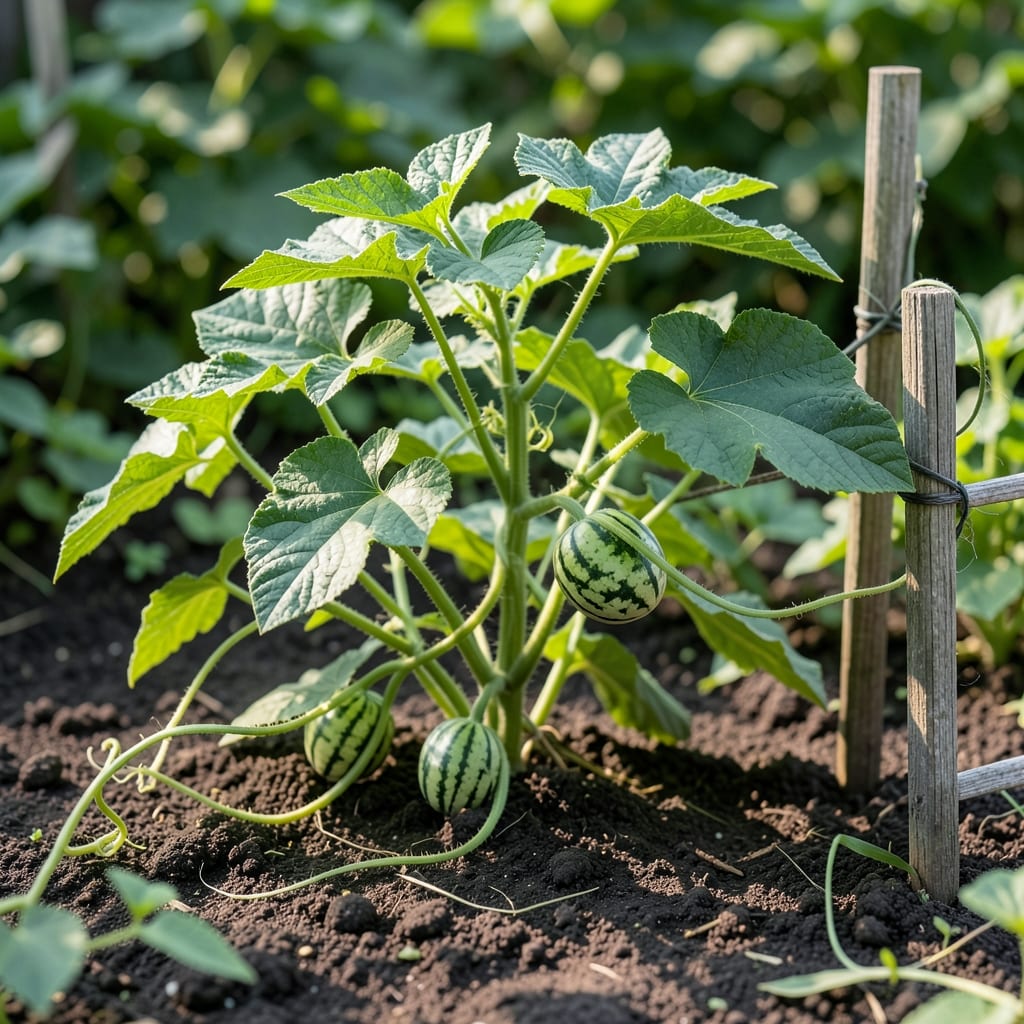
Cucamelon is a small, grape-sized fruit with a cucumber-lemon flavor, also called mouse melon or Mexican miniature watermelon. It grows on vines and is popular for its tangy taste and easy cultivation.
I love how these tiny fruits pack a refreshing punch, perfect for snacking or adding to salads. Their thin, edible skin reveals crisp flesh that’s surprisingly similar to cucumbers but with a zesty citrus twist. 🔥
What makes them special is their fast growth habit, producing abundant fruit on compact vines ideal for small gardens or containers.
💡 In This Article
This fruit traces its roots to Mexico and Central America, where it’s been cultivated for centuries. Botanically classified as Melothria scabra, it belongs to the cucumber family but develops a more complex flavor profile. The vines can reach 3-10 feet in length, producing tiny fruits that resemble miniature watermelons with a striped pattern. 🔥
The flavor is where cucamelon truly stands out. Imagine the crispness of a cucumber combined with the bright acidity of a lemon, all in a 1-inch package. The thin rind is edible and adds a slight crunch, while the interior stays juicy even when fully ripe.
This unique taste comes from its higher concentration of citric acid compared to standard cucumbers.
What makes cucamelon particularly fascinating is its growth pattern. Unlike most melons that need 90-120 days to mature, these produce fruit in just 60-70 days. The vines are vigorous climbers, making them perfect for trellises or fences. Each plant can yield 100-200 fruits per season under ideal conditions. ✨
The visual appeal is undeniable. The fruits start as tiny green balls and develop white stripes as they mature, eventually turning a pale yellow when fully ripe. Their size stays consistently small—about the diameter of a grape—making them ideal for pickling whole or adding to dishes as a garnish.
The leaves are deeply lobed, similar to cucumber plants but slightly more delicate.
From a nutritional standpoint, cucamelons are low in calories but pack a punch with vitamin C and antioxidants. Their small size means you can eat them in one bite, skin and all, which maximizes nutrient intake. The seeds are edible too, though some gardeners prefer to spit them out due to their slightly bitter aftertaste.
💫
It has a refreshing cucumber flavor with a tangy lemon twist. The crisp texture resembles a cucumber, but with a zesty kick that makes it unique.
Cucamelons mature quickly, producing fruit in just 60-70 days. This is faster than most melons, which typically need 90-120 days.
Yes, a sturdy trellis is recommended. The vines can reach 3-10 feet in length, and climbing support improves air circulation and makes harvesting easier.
The thin skin is edible and adds a slight crunch. The seeds are also safe to eat, though some prefer to spit them out due to a mild bitterness.
Under ideal conditions, a single plant can yield 100-200 fruits per season. Their small size makes them perfect for snacking or pickling whole.