
Beautiful Plants For Your Interior
Beautiful Plants For Your Interior
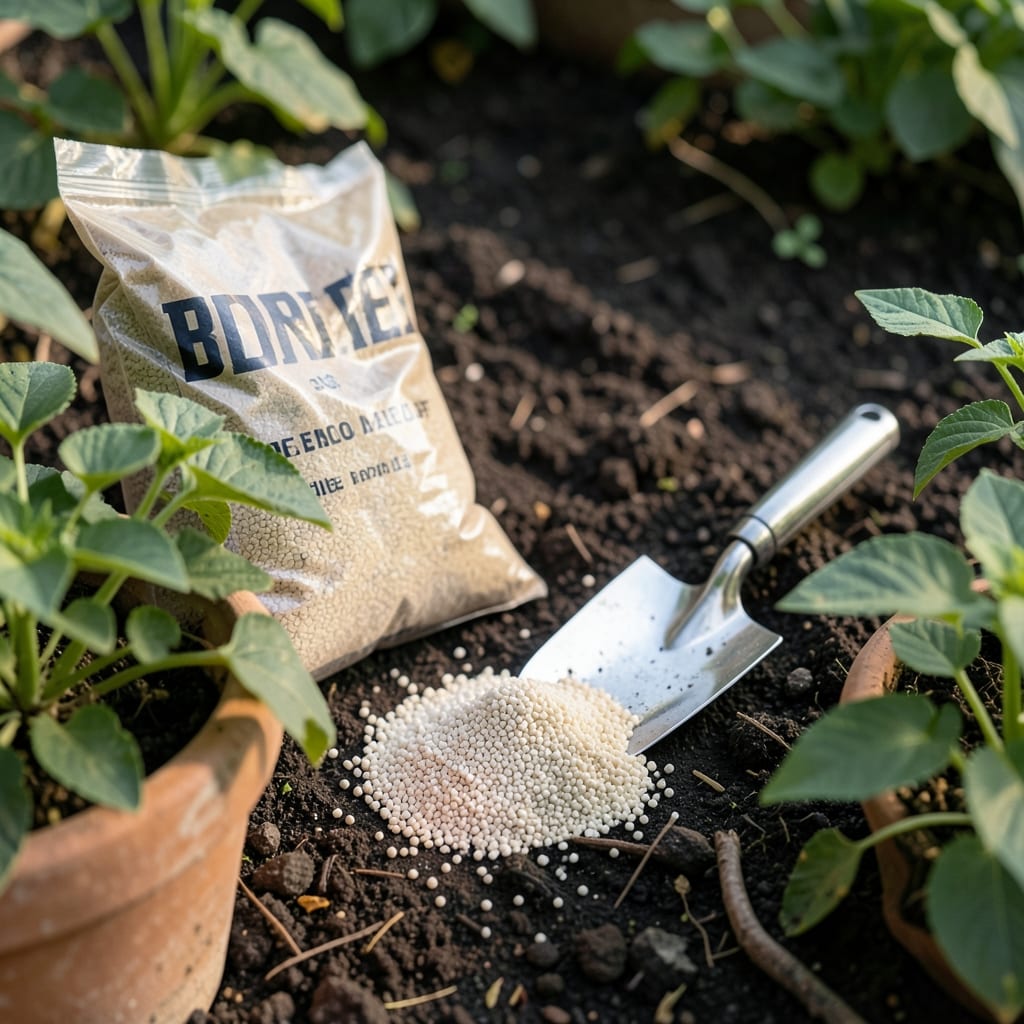
Bone meal is made from finely ground animal bones, typically cow or steer, that are steamed to remove grease, then sterilized and pulverized into a powder rich in phosphorus and calcium.
I’ve used this in my garden for years to boost root development, especially for flowering plants. The sterilization step is crucial—it ensures the final product is safe and free from pathogens. What’s fascinating is how the high phosphorus content directly fuels plant growth, while the calcium strengthens cell walls. 🔥
💡 In This Article
The production begins with sourcing raw bones, primarily from cattle, though sometimes from other livestock. These bones are first cleaned to remove any remaining meat or soft tissue, a step that prevents contamination and ensures purity. The cleaning process often involves boiling or pressure cooking the bones to strip away fat and proteins. 🔥
After cleaning, the bones undergo sterilization at temperatures exceeding 250°F to eliminate any potential pathogens or bacteria. This step is non-negotiable for safety, especially since the final product is used in gardens where edible plants may grow. The sterilized bones are then dried thoroughly to remove all moisture, which helps prevent mold growth during storage.
The dried bones are ground into a fine powder using industrial mills. The grinding process is carefully controlled to achieve a consistent texture, typically resulting in particles that are 0.5-2mm in size. This fine powder maximizes surface area, allowing the nutrients to become more readily available to plants once applied to the soil.
What many don’t realize is that the quality of bone meal can vary based on the grinding process. Coarsely ground versions release nutrients more slowly, while finely ground bone meal provides a quicker nutrient boost. The phosphorus content in high-quality bone meal can range from 10-20%, with calcium levels often between 20-30%. ✨
The final product is often tested for nutrient content and purity before packaging. Some manufacturers add other organic materials to create blended fertilizers, but pure bone meal contains only the processed bones. This simplicity makes it a favorite among organic gardeners who prefer single-ingredient amendments. 💫
Most comes from cattle bones, though some versions use poultry or fish. The bones are always from food processing byproducts, never from diseased animals.
Sterilization at 250°F+ kills pathogens like E. coli. Without this step, the product could contaminate soil and plants. Safety comes first!
Fine grind releases nutrients in 2-4 weeks, while coarse versions may take 2-3 months. The slow release makes it great for perennials.
Avoid acid-loving plants like blueberries. It’s ideal for tomatoes, bulbs, and root crops in pH 6.0-7.0 soil. Always test pH first.