
Beautiful Plants For Your Interior
Beautiful Plants For Your Interior
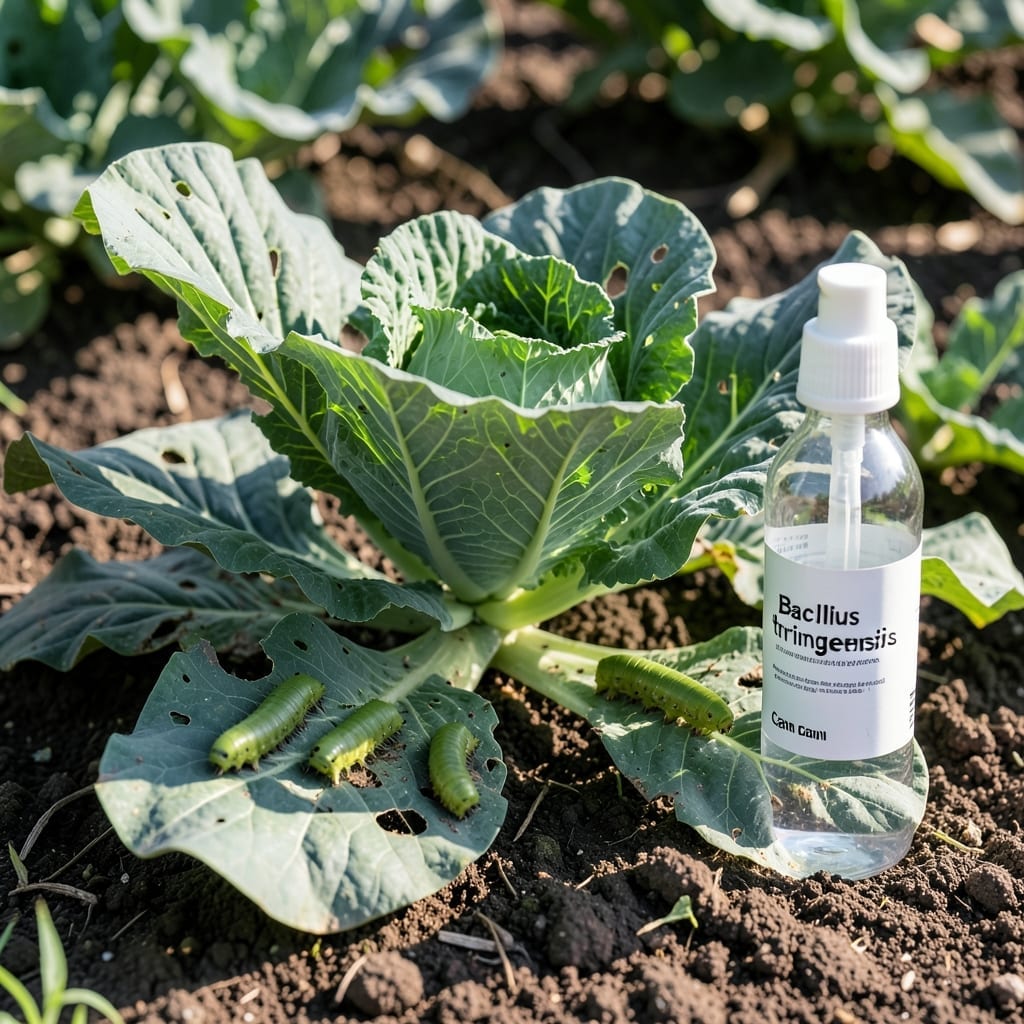
Bacillus thuringiensis is a naturally occurring soil bacterium that produces proteins toxic to specific insects, making it a safe, organic pest control method for gardens and crops.
I love how this bacterium acts like a precision tool in pest management. It specifically targets caterpillars, moths, and mosquito larvae without harming beneficial insects or wildlife. In my garden, I’ve seen it work wonders against cabbage worms while leaving ladybugs untouched. The beauty lies in its natural origin and targeted approach. ✨
💡 In This Article
Here’s what’s actually happening in your garden: Bt produces crystal proteins called Cry toxins that remain inert until ingested by target insects. Once consumed, the alkaline conditions of their gut trigger these proteins to dissolve and bind to specific receptors in the insect’s digestive tract.
This binding creates pores that rupture gut cells, leading to paralysis and death within 24-48 hours. The specificity comes from these receptors only existing in certain insects—primarily caterpillars of moths and butterflies, plus some beetles and flies. 🔥
What makes Bt so safe is its inability to affect mammals, birds, fish, or beneficial insects like bees and ladybugs. Our digestive systems lack the specific receptors and alkaline conditions needed to activate the toxins. Even if consumed, human stomach acid quickly breaks down the proteins.
The most common strain, Bt kurstaki, targets caterpillars like cabbage loopers and tomato hornworms. Meanwhile, Bt israelensis specializes in mosquito and black fly larvae. This precision allows you to protect your plants without disrupting the ecosystem. ✨
Field studies show Bt degrades quickly in sunlight and soil, with a half-life of just 1-4 days. This short persistence means it doesn’t accumulate in the environment, making it ideal for organic farming systems. 💫
It’s OMRI-listed for organic use and breaks down naturally in 1-4 days. The EPA confirms it poses no risk to humans, pets, or beneficial insects like bees.
Target insects stop feeding within hours and typically die in 24-48 hours. You’ll see reduced damage almost immediately, though complete control may take a few days.
Bt kurstaki is ideal for most veggie gardens, targeting caterpillars like cabbage worms and tomato hornworms. For mosquitoes, switch to Bt israelensis.
Yes, rain washes it off leaves. Reapply after any rainfall or every 7-10 days for continuous protection. Early morning applications give it time to dry.