
Beautiful Plants For Your Interior
Beautiful Plants For Your Interior
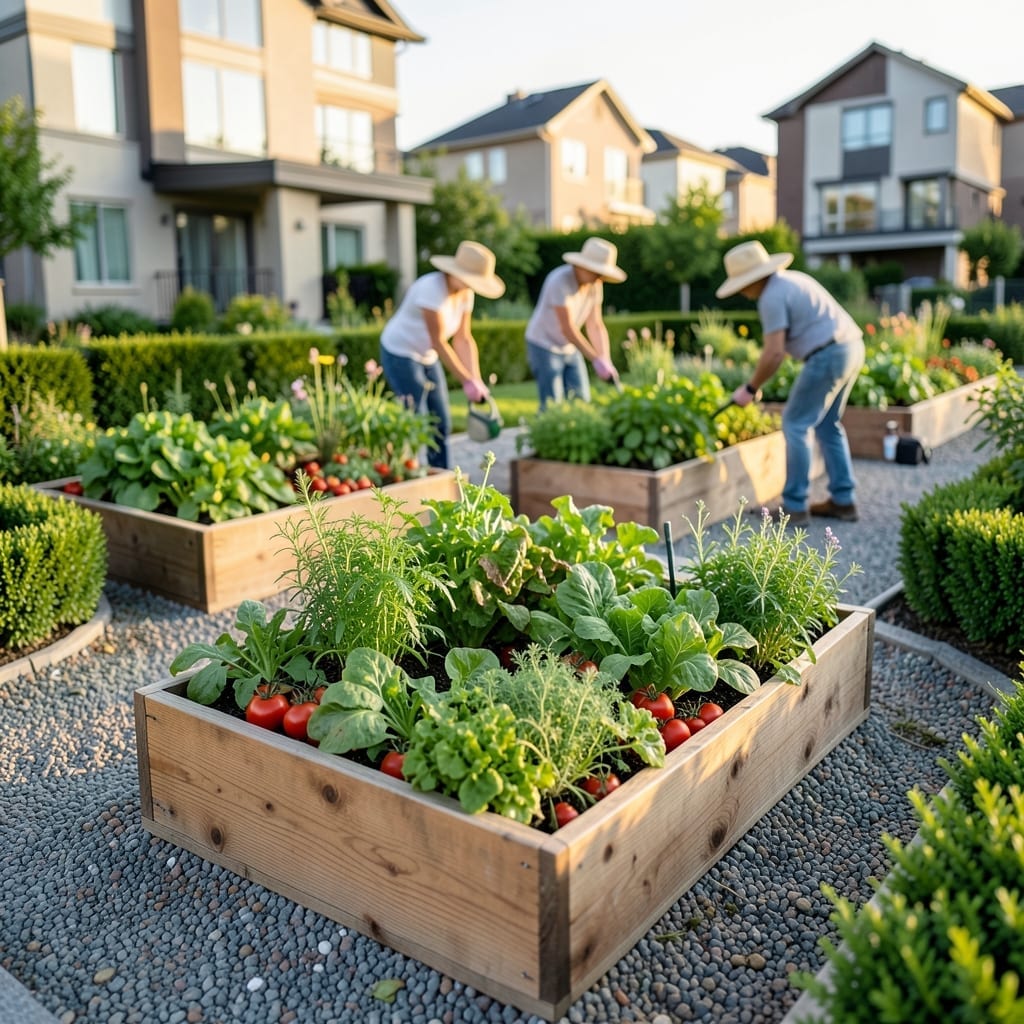
An agrihood is a residential neighborhood built around a working farm, offering fresh local produce, community gardens, and sustainable living with agricultural focus.
I see these as the perfect blend of rural charm and modern convenience. Residents often get direct access to farm-fresh eggs, seasonal vegetables, and educational programs about agriculture. What’s fascinating is how these communities foster connections—neighbors bond over shared harvests and gardening workshops. ✨
From my experience, they attract people wanting to reconnect with food sources while enjoying suburban amenities. The farms typically operate as community-supported agriculture, so you know exactly where your food comes from. 🌟
💡 In This Article
These communities are master-planned to weave agriculture into daily life. The central working farm typically spans 5-20 acres, producing crops like heirloom tomatoes, kale, and berries. Residential lots are clustered around this agricultural core, with homes positioned to maximize views of farmland while maintaining efficient land use. 🌟
Shared spaces are the heartbeat of agrihoods. You’ll find community gardens where each household gets a 100-200 sq. ft. plot, plus larger fields for collaborative farming. Many include greenhouses for year-round growing, with temperatures maintained at 65-75°F even in winter. The planning often incorporates walking trails that connect homes to farm areas. ✨
What sets these apart is the integration of agricultural infrastructure. Irrigation systems use drip technology that reduces water waste by 30-50% compared to traditional methods. Composting facilities process 1-2 tons of organic waste monthly, creating nutrient-rich soil amendments for the community. These systems are designed to be both functional and educational. 🔥
The architectural design follows specific principles. Homes are built with southern exposure to maximize natural light for any personal gardens. Porches and patios face common areas to encourage social interaction. Many agrihoods also include farm-to-table restaurants or markets that operate 3-5 days weekly, selling surplus produce to the public. ⚡
Zoning regulations are carefully crafted to support this lifestyle. They often allow for small livestock like chickens (3-6 per household) and bees, with clear guidelines on coop placement and hive management. The rules typically prohibit synthetic pesticides, requiring organic or integrated pest management practices instead. 💫
Most agrihoods offer volunteer shifts at the farm or 100-200 sq. ft. personal garden plots. Some have weekly workshops on planting and harvesting. You can also join the CSA program for a share of the harvest.
Initial home prices may be 10-20% higher than comparable neighborhoods, but savings on groceries and utilities often offset the cost. The long-term value comes from the lifestyle and community benefits.
Many allow small animals like chickens (3-6 per household) and bees. Rules vary by community, but most have clear guidelines on coop placement and care. Always check local zoning first.
Surplus is often sold at on-site farm stands operating 3-5 days weekly. Some donate to food banks or host community dinners. A few even supply local restaurants.