
Beautiful Plants For Your Interior
Beautiful Plants For Your Interior
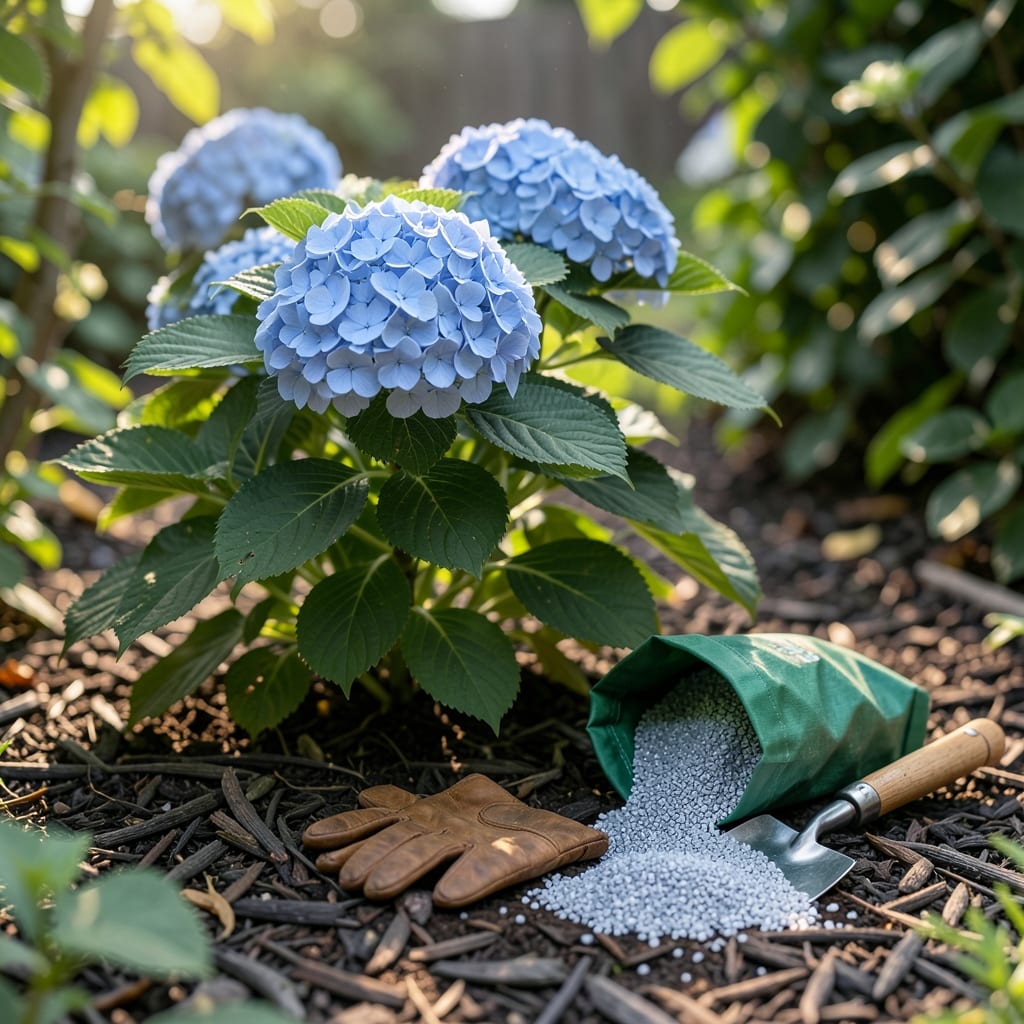
Aluminium sulfate is primarily used in gardening to lower soil pH for acid-loving plants like hydrangeas and blueberries, and in water treatment as a flocculant to remove impurities.
I’ve seen aluminium sulfate work wonders in gardens by creating the ideal acidic environment for plants that struggle in alkaline soil. 🌟 In water systems, it binds to tiny particles, making them heavy enough to sink so the cleared water can be safely processed. This dual functionality makes it a go-to for both gardeners and municipal treatment facilities.
💡 In This Article
When aluminium sulfate dissolves in moist soil, it immediately dissociates into aluminium ions and sulfate ions. The aluminium ions react with water molecules to release hydrogen ions, which directly increase the soil’s acidity. This process can lower soil pH by 0.5-1.0 units within weeks, depending on the initial pH and application rate. 🔥
These hydrogen ions displace essential nutrients like calcium and magnesium from soil particles, making them more available to plant roots. However, excessive application can leach these nutrients too quickly, potentially harming plants. The sulfate ions also contribute to soil chemistry by forming sulfuric acid in some conditions, adding another layer of acidification. ✨
For acid-loving plants like azaleas, the ideal soil pH range is 4.5-5.5. Aluminium sulfate works particularly well here because it not only lowers pH but also provides aluminium, which some plants tolerate better than others.
I’ve found that applying 5 lbs per 100 sq ft can effectively adjust pH for most garden beds, but always test first. 🌟
The chemical reaction is most effective in well-drained soils with sufficient organic matter. Clay soils may require more product because their particles bind aluminium more tightly. Remember that aluminium sulfate works faster than alternatives like elemental sulfur, but its effects can be more dramatic and harder to reverse if overapplied. ⚡
What many gardeners don’t realize is that aluminium sulfate also improves phosphorus availability in acidic soils. This happens because the aluminium ions help release bound phosphorus, making it accessible to plant roots. This dual action of pH adjustment and nutrient liberation makes it particularly valuable for plants that need both acidity and phosphorus. 💫
No, it’s best for acid-loving plants like hydrangeas and blueberries. Avoid using it on plants that prefer alkaline soil, such as lilacs or asparagus.
It starts lowering soil pH within 1-2 weeks, but full effects may take 4-6 weeks. Always retest soil pH to confirm results.
No, it’s not approved for organic gardening due to its synthetic nature and potential aluminium buildup. Organic alternatives like elemental sulfur are preferred.
Overapplication can make soil too acidic, leaching essential nutrients and harming plants. Yellowing leaves or stunted growth may signal too much acidity.
If stored in a dry, sealed container, it remains effective indefinitely. Moisture can cause clumping, but it doesn’t reduce potency.