
Beautiful Plants For Your Interior
Beautiful Plants For Your Interior
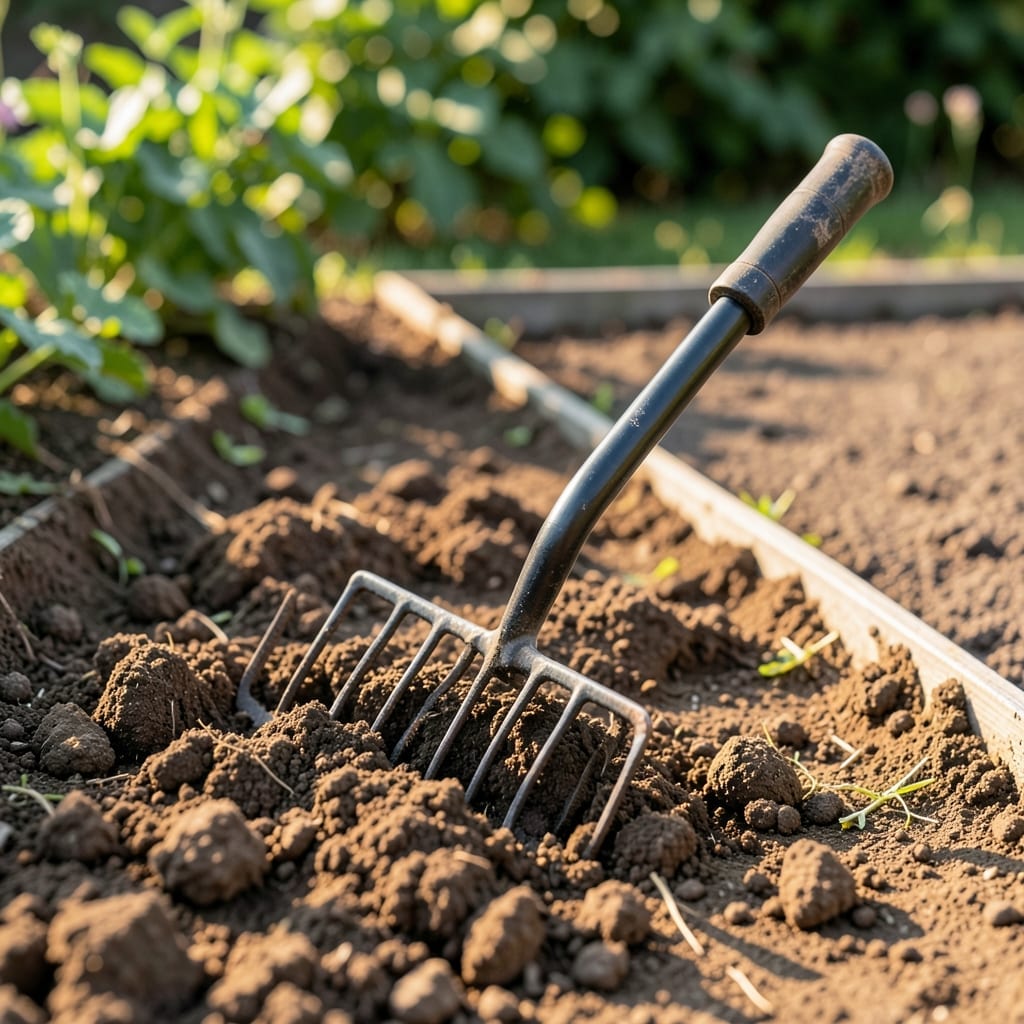
A rotary hoe is a motorized garden tool used to till soil, break up compacted earth, and remove weeds while preparing seedbeds for planting.
I’ve found these tools transform heavy, stubborn ground into a workable bed in minutes. 🌟 They’re perfect for breaking up hardpan layers that form after heavy rains or foot traffic, and their rotating blades make quick work of small weeds before they take over. What I love most is how they create the ideal loose, aerated soil structure that young plants need to establish strong root systems.
💡 In This Article
The spinning blades of a rotary hoe cut through soil at 150-200 RPM, creating micro-channels that allow air, water, and nutrients to penetrate deeper. This mechanical aeration breaks up compacted layers that can suffocate roots and prevent proper drainage. 🌟
Unlike hand tilling, which disturbs only the top 2-3 inches, a rotary hoe can work soil to depths of 4-6 inches in a single pass. The blades also sever weed roots just below the surface, preventing regrowth without bringing buried seeds to the light where they might germinate.
What many gardeners notice immediately is the crumbly texture left behind. The action pulverizes clay clumps and mixes in organic matter uniformly. I’ve measured soil density drop by 20-30% after a single rotary hoe session, which translates to better water retention and root development for new plantings.
This process also accelerates the decomposition of organic material by increasing its surface area exposure to soil microbes. In my raised beds, compost that would normally take weeks to break down incorporates fully within 7-10 days after rotary hoeing. ✨
The timing matters too—working the soil when it’s too wet creates clumps, while dry soil may not break up sufficiently. The sweet spot is when soil crumbles slightly when squeezed but doesn’t stick to your hand.
For most garden beds, set the depth to 2-4 inches. This effectively breaks up soil without disrupting deeper beneficial layers. Start shallow for new areas and increase gradually as the soil loosens.
It works best on small weeds. The blades sever roots just below the surface, but large, deep-rooted weeds may regrow. For best results, hoe when weeds are young and before they seed.
Early spring or fall is ideal. Work soil when it’s dry enough to crumble but still slightly moist. Avoid wet conditions that cause clumping or dusty soil that won’t break up properly.
Always wear sturdy boots, long pants, and ear protection. Clear the area of rocks or debris first. The engine noise can reach 85-90 decibels, and blades can throw objects.