
Beautiful Plants For Your Interior
Beautiful Plants For Your Interior
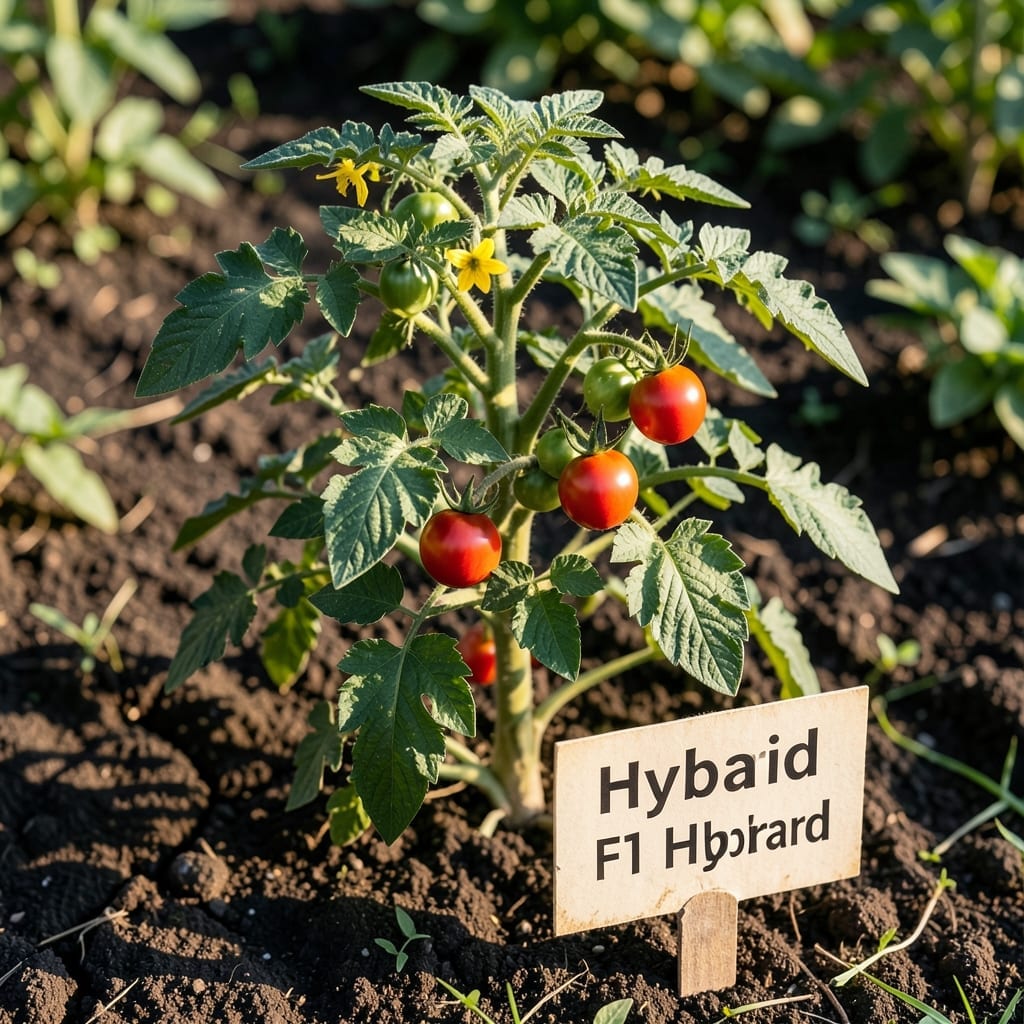
Ever wondered how gardeners get those vibrant blooms or bountiful harvests that seem too good to be true? The answer often lies in hybrid plants. These aren’t your average garden varieties.
I remember the first time I planted a 🌱 Hybrid Plant and saw the incredible difference it made. The results were undeniable – stronger growth, better resistance, and more impressive yields.
But what exactly makes these plants so special? It’s all about combining the best traits from different parent plants to create something even better.
Let me walk you through how this process works and why it might be the game-changer your garden needs this season.
Hybrid plants are the result of cross-pollination between two different plant varieties or species. This process can occur naturally through wind or pollinators like bees, but gardeners often take control to achieve desired traits in their plants.
When I create hybrids in my garden, I carefully select parent plants with complementary characteristics. For example, I might cross a disease-resistant tomato with a high-yielding variety to get the best of both worlds. This selective breeding is the heart of hybridization.
| Hybridization Method | Description |
| Natural Cross-Pollination | Occurs via wind or pollinators without human intervention |
| Hand Pollination | Gardeners manually transfer pollen between selected plants |
| Controlled Environment | Performed in greenhouses to prevent unintended pollination |
| Tissue Culture | Lab-based method for creating hybrids from plant cells |
The most common method I use is hand pollination. I take a small brush to transfer pollen from the male flower of one plant to the female flower of another. It’s a precise process that requires patience and attention to detail.
After successful pollination, the seeds produced will carry the genetic material from both parents. These seeds are then planted to grow the first-generation hybrids, which often exhibit what’s called hybrid vigor – they grow stronger and more productive than either parent.
It’s important to note that hybrid plants are not the same as GMO plants. Hybridization is a natural process that can occur without any genetic modification in a lab. I’ve been creating hybrids in my garden for years using these traditional breeding methods.
Some of my favorite hybrids to grow include Early Girl tomatoes, which combine early maturation with excellent flavor, and Knock Out roses, which offer disease resistance with continuous blooming. These plants demonstrate how hybridization can solve common gardening challenges.
The process doesn’t stop with the first generation. I often save seeds from my best-performing hybrids to plant the next year. However, it’s important to understand that second-generation hybrids may not always maintain the same traits as their parents.
For gardeners new to hybridization, I recommend starting with easy-to-cross plants like squash or marigolds. These plants have large flowers that make hand pollination easier.
Creating hybrid plants has transformed my gardening experience. It allows me to develop varieties perfectly suited to my local climate conditions and personal preferences. With a little practice, any gardener can start experimenting with hybridization in their own backyard.
🌱Hybrid plants offer exceptional benefits that can transform your garden. I’ve seen firsthand how they deliver better disease resistance and higher yields compared to traditional varieties.
They often exhibit hybrid vigor, meaning they grow faster and stronger than their parent plants. This makes them ideal for gardeners seeking reliable performance.
One major advantage is their uniformity. When I plant hybrid seeds, I know exactly what to expect in terms of size, color, and maturity time. This consistency is a game-changer for planning.
However, it’s important to note that saving seeds from hybrids can be tricky. The next generation often reverts to parent traits or loses the desired characteristics. This means you’ll need to repurchase seeds each season.
The cost can be higher upfront, but I find the investment worthwhile for the reliable results and reduced maintenance they require. Plus, their enhanced resistance to pests means fewer chemicals in my garden.
For gardeners seeking predictable performance, hybrids are an excellent choice. Just be prepared for the annual seed purchase and enjoy the outstanding results they deliver 🌱