
Beautiful Plants For Your Interior
Beautiful Plants For Your Interior
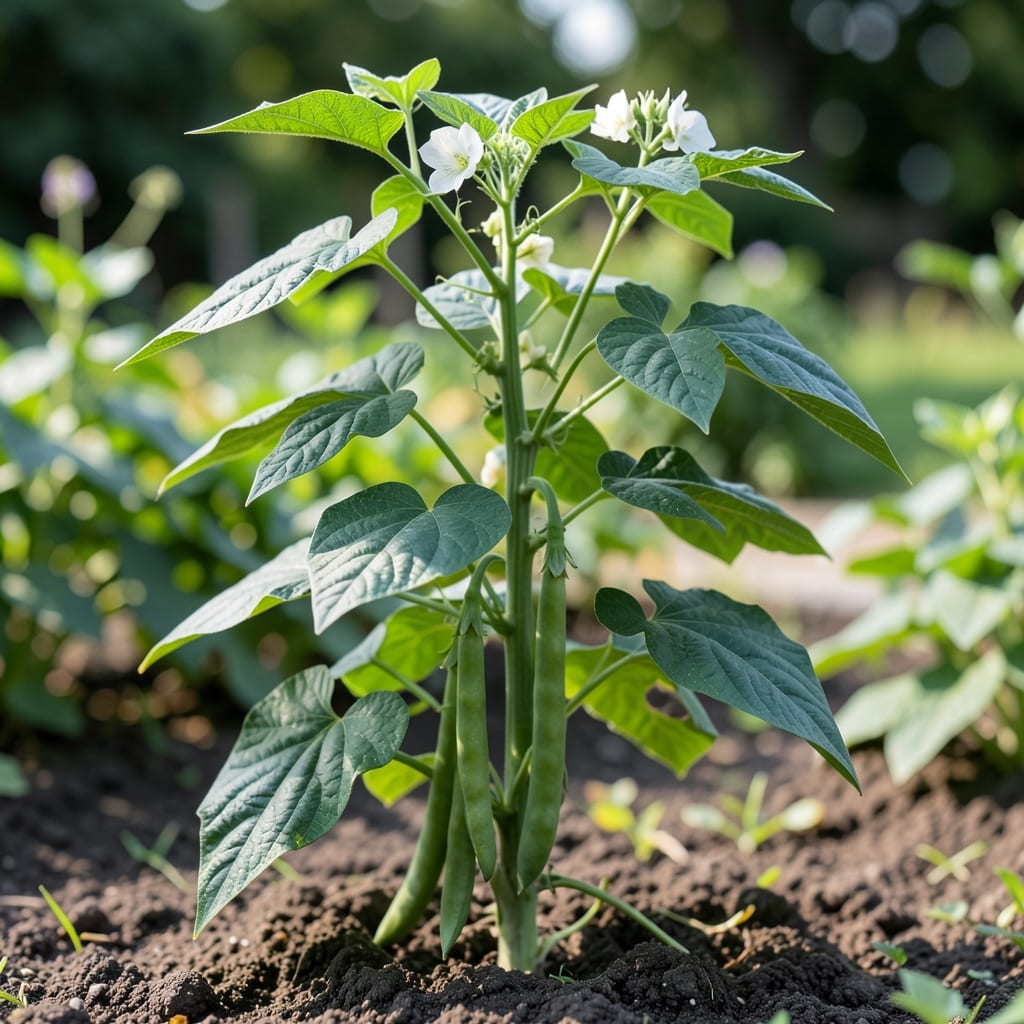
A greasy bean is a common name for a cowpea variety with a smooth, slightly shiny pod surface, often grown in hot climates for its drought tolerance and nutty flavor.
I’ve found that what sets this variety apart is its unique pod texture, which almost looks polished when fresh. 🔥 This trait comes from a natural waxy coating that helps the plant retain moisture in arid conditions, making it a favorite among gardeners in dry regions. Beyond practical benefits, the beans inside offer a rich, earthy taste that holds up well in hearty stews or as a standalone side dish.
💡 In This Article
The waxy surface of greasy beans isn’t just visual—it’s a natural adaptation. This glossy coating reduces water loss through evaporation, allowing the plant to thrive in temperatures up to 95°F with minimal irrigation. The pods grow 4-6 inches long, with a smooth texture that distinguishes them from hairier cowpea varieties like black-eyed peas. 🔥
These beans prefer well-drained, sandy loam soil with a pH between 6.0-7.0. Unlike other legumes, they tolerate poor soil fertility, making them ideal for subsistence farming in arid regions. Their deep root system, extending up to 3 feet, accesses moisture from lower soil layers during dry spells. ✨
The growth habit is bushy rather than vining, typically reaching 2-3 feet in height. This compact form makes them easier to cultivate in tight spaces. The leaves are a vibrant green, and the plant produces small white or purple flowers that self-pollinate, reducing the need for bee activity. 💫
Greasy beans mature in 60-90 days, with pods ready for harvest when they’re plump but still tender. The seeds inside range from cream to dark brown, often with speckled patterns. This variety’s drought tolerance comes from its ability to enter a semi-dormant state during extreme heat, conserving energy until conditions improve. ⚡
What truly sets them apart is their flavor profile. When cooked, they develop a creamy texture with a subtle nutty taste, often compared to pinto beans but with a richer mouthfeel. This makes them a staple in Southern U.S. cuisine, where they’re often slow-cooked with bacon or ham hocks. 🌟
The name comes from their smooth, waxy pod surface that looks almost polished. This natural coating helps the plant retain moisture in dry conditions, giving them a slightly slick appearance compared to other cowpea varieties.
Greasy beans have smooth pods while black-eyed peas have a rougher, hairier texture. They also tend to be more drought-resistant and have a creamier texture when cooked. The flavor is nuttier and richer than standard cowpeas.
Yes, their compact 2-3 feet bushy growth makes them container-friendly. Use a pot at least 12 inches deep with good drainage. They’ll need full sun and regular watering, especially in hotter climates.
Keep unwashed pods in the fridge for up to 5 days or blanch and freeze for longer storage. The natural waxy coating helps preserve freshness, but avoid washing until ready to cook.