
Beautiful Plants For Your Interior
Beautiful Plants For Your Interior
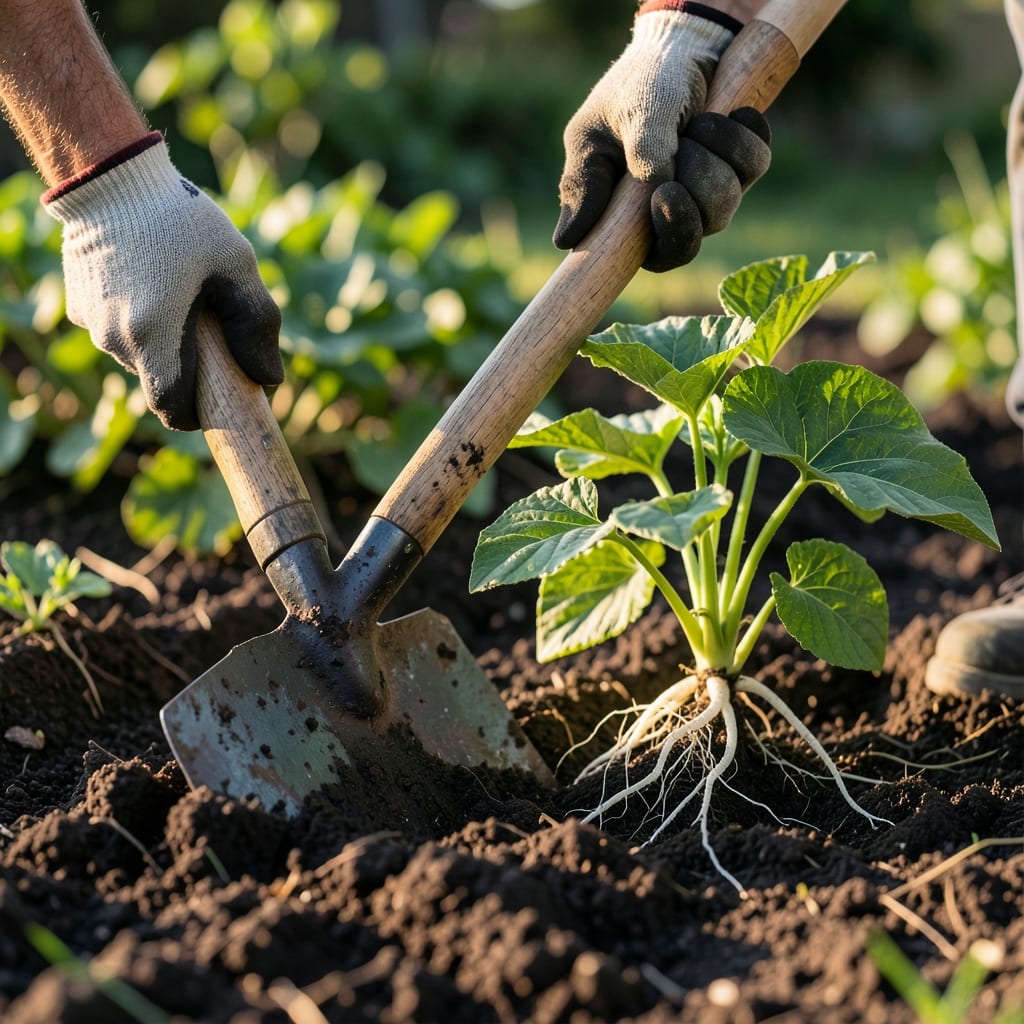
A cultivate is a gardening tool with sharp, curved blades used to break up soil, remove weeds, and aerate the ground around plants for better growth.
I’ve found these tools especially useful in raised beds where compacted soil can stunt root development. They work by slicing through the top layer of dirt without disturbing deeper plant systems. This gentle action helps maintain soil structure while letting air and water reach the roots more effectively. ✨
What sets them apart from hoes or rakes is their precision—perfect for tight spaces between vegetable rows or delicate perennials. 💫
💡 In This Article
The curved blades of a cultivate work by physically breaking up compacted soil, creating tiny air pockets that allow roots to breathe. This aeration process increases oxygen flow to 4-8 inches below the surface, which is crucial for beneficial soil microbes that decompose organic matter and release nutrients to plants. 🔥
Weed suppression happens through two mechanisms. First, the sharp edges sever weed roots just below the soil surface, preventing regrowth. Second, the disturbance exposes weed seeds to light, triggering germination so they can be removed before maturing. This method reduces weed populations by 60-80% over time.
For moisture retention, the loose soil structure created by cultivating allows water to penetrate 2-3 times deeper than compacted ground. The broken-up surface also reduces runoff, helping plants access water more efficiently during dry periods. This is especially noticeable in clay-heavy soils. ✨
The tool’s design matters here. Curved blades with 1-2 inch spacing work best for most gardens, as they create enough disturbance without damaging established plant roots. The action also brings subsoil nutrients to the surface, making them available to shallow-rooted plants.
In my experience, cultivating after rain produces the best results. The slightly moist soil is easier to work, and the disturbance helps prevent crusting that can block emerging seedlings. Just avoid working soggy soil, as this can create clumps rather than the fine tilth plants prefer. 💫
A cultivate has curved blades designed for shallow, precise soil work around plants. A hoe has a flat blade for deeper digging and weeding in open areas. The cultivate is gentler on plant roots.
Use it every 2-3 weeks or after heavy rain to prevent soil crusting. In vegetable gardens, cultivate between rows weekly during growing season for best results.
Yes, but choose a model with durable carbon steel blades. Work slowly and avoid large rocks to prevent blade damage. A hand cultivate offers better control in tough conditions.
Clean after each use and dry thoroughly to prevent rust. Sharpen blades annually with a file. Store in a dry place, and oil carbon steel blades occasionally.