
Beautiful Plants For Your Interior
Beautiful Plants For Your Interior
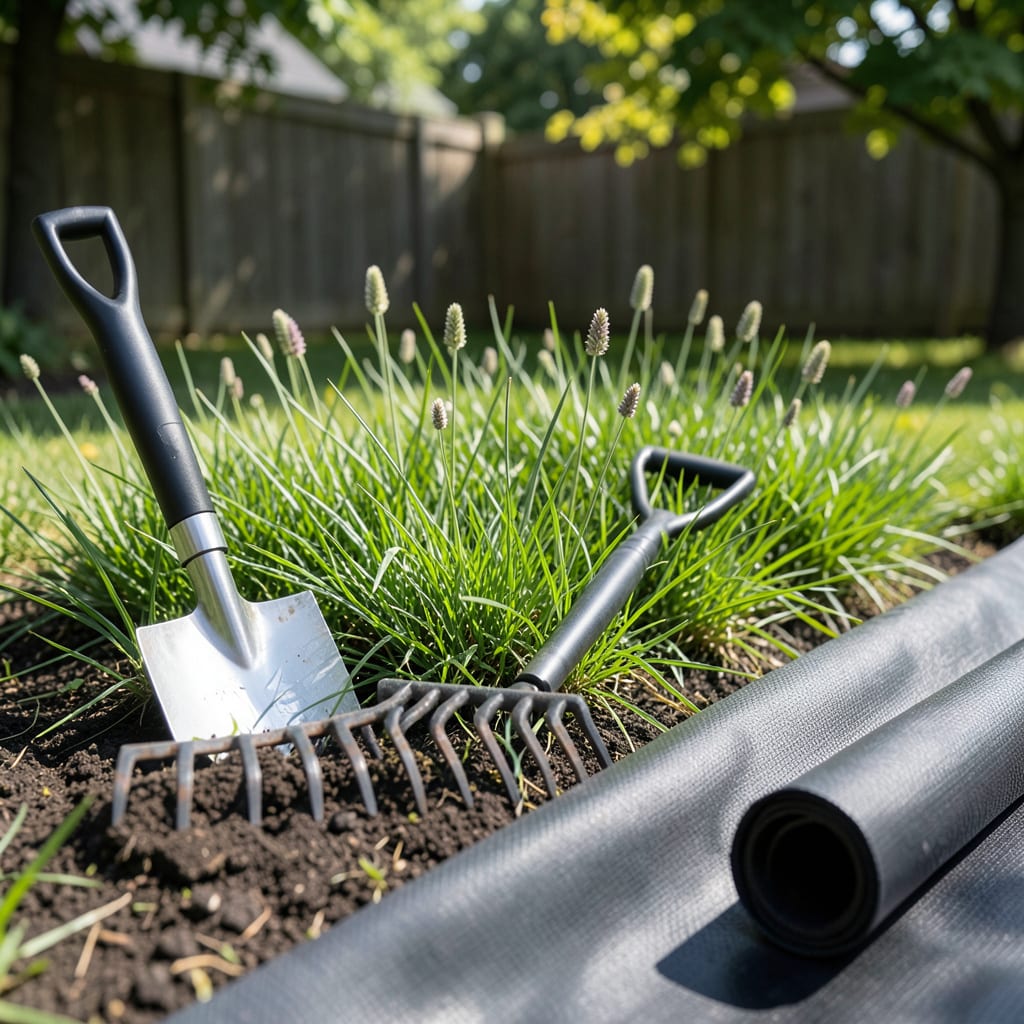
A berm in landscaping is a raised, mound-like structure made of soil, often planted with grass or shrubs. It serves functional purposes like drainage control, noise reduction, and visual interest while adding dimension to flat yards.
I think of berms as nature’s way of solving multiple problems at once. They’re not just decorative—they actively shape how water moves through your property, preventing erosion and creating natural barriers. 🌿 What’s fascinating is how they can transform a boring, flat yard into a dynamic landscape with varying elevations. When I design berms for clients, I always consider the soil composition and plant choices carefully, as these elements determine both stability and visual impact over time.
The strategic placement of berms can also create microclimates in your garden. A well-positioned mound might protect delicate plants from harsh winds or provide just the right amount of shade for sun-sensitive species. ✨ This is why I often recommend them for properties with challenging conditions—whether it’s poor drainage, street noise, or just a lack of visual interest in the landscape.
💡 In This Article
Berms work like natural water managers in your landscape. Their raised, sloped design creates elevation changes that redirect surface water away from problem areas. When properly constructed with a 3:1 slope ratio (3 feet horizontal for every 1 foot vertical), they can handle significant rainfall without erosion.
The science here involves gravity and soil permeability—water naturally flows downward, and the berm’s shape forces it to spread out and absorb gradually rather than pooling.
The noise reduction capability comes from the berm’s mass and the plants covering it. A 6-foot-high berm with dense shrubs can reduce sound by 5-10 decibels—that’s the difference between a loud conversation and a quiet one. 🌿 The soil itself absorbs sound waves, while the plants diffuse them.
For maximum effect, I recommend using evergreens like juniper or arborvitae, which maintain their sound-blocking properties year-round.
Microclimate creation is where berms get really interesting. A south-facing berm can create a warm pocket that extends your growing season by 2-3 weeks in spring and fall. The elevated soil warms faster than flat ground, and the slope angle can be adjusted to maximize sun exposure.
I’ve seen clients grow heat-loving plants like rosemary in zones where they normally wouldn’t survive winter, all because of strategic berm placement.
For visual impact, the key is varying the berm’s height and shape. A single, uniform mound looks artificial, while a series of undulating berms mimics natural landforms. The rule of thumb is to make them at least 18 inches high to be noticeable, but no steeper than 30 degrees to prevent erosion.
Planting in layers—tall grasses on top, medium shrubs on the slopes, and ground covers at the base—creates that lush, established look immediately.
Soil composition matters more than most realize. A good berm mix contains 60% topsoil, 30% compost, and 10% clay for stability. The clay helps bind the structure together, while the compost provides nutrients for plants.
I always recommend testing your native soil first—sometimes you can use what’s already on site with just minor amendments, saving both money and effort.
One often-overlooked benefit is how berms can hide unsightly elements. A well-placed 4-foot berm can screen utility boxes, compost bins, or even create privacy between properties. The trick is to design it so it looks intentional rather than like you’re trying to hide something.
Curving the berm and varying plant textures makes it appear as a natural landscape feature rather than a barrier.
For erosion control, the slope angle is everything. Anything steeper than 3:1 ratio risks washing away in heavy rains. That’s why I always recommend using erosion-control blankets or planting deep-rooted grasses like fescue during construction. These temporary measures give plants time to establish their root systems, which will eventually hold the soil in place permanently.
The planting strategy should match the berm’s purpose. For drainage berms, use moisture-loving plants like willows or dogwoods at the base where water collects. For noise reduction, dense evergreens work best. And for purely aesthetic berms, I love using ornamental grasses for their movement and texture—they catch the light beautifully at different times of day.
✨
Remember that berms aren’t static features—they evolve over time. The soil will settle 10-15% in the first year, so I always build them slightly higher than the final desired height. This settling actually helps the plants establish better contact with the soil, creating a more stable structure in the long run.
That’s why patience is key—what looks perfect on day one will look even better after a growing season.
Aim for 18 inches to 3 feet for most residential berms. Anything under 18 inches won’t create enough visual impact, while berms over 4 feet may require professional engineering. The ideal height depends on your purpose—2-3 feet works well for drainage and noise reduction.
Use a blend of 60% topsoil, 30% compost, and 10% clay for stability. The clay helps bind the structure, while compost provides nutrients for plants. Avoid using pure garden soil—it compacts poorly and may lead to erosion.
Small berms under 3 feet tall are manageable DIY projects with proper planning. For larger berms or those near property lines, consult a landscaper. Remember that soil settling (about 10-15% in the first year) requires building slightly higher than your final goal.
Plant deep-rooted grasses like fescue immediately after construction. Use erosion control fabric between soil layers, and maintain a gentle 3:1 slope ratio. For steep berms, add terraced planting areas to break up long slopes. Regular mulching helps too!
Choose drought-tolerant, deep-rooted plants. Ornamental grasses (like maiden grass) work well on slopes, while shrubs (juniper, cotoneaster) provide structure. For noise reduction, evergreens are ideal. Always match plants to your berm’s sun exposure and soil type.
