
Beautiful Plants For Your Interior
Beautiful Plants For Your Interior
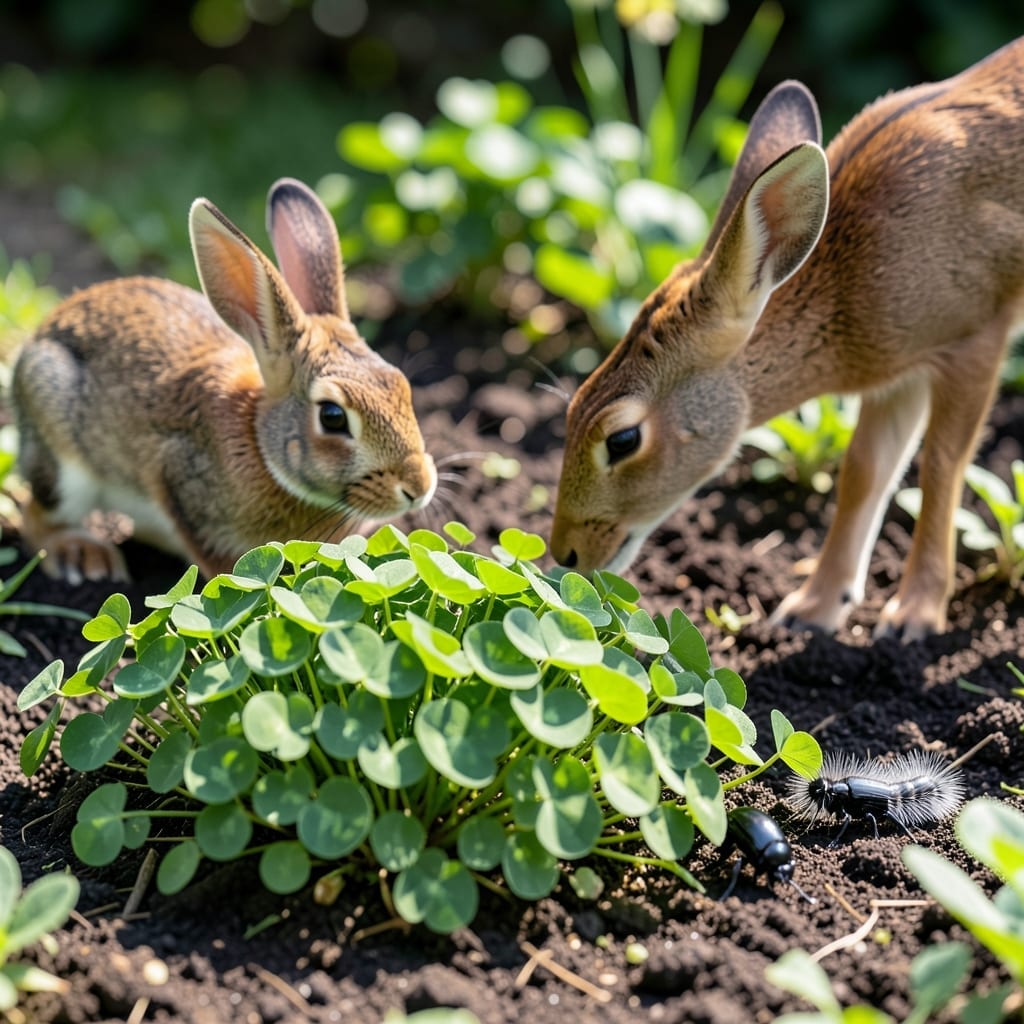
Deer, rabbits, and groundhogs frequently eat clover, as do many insects like caterpillars, beetles, and aphids. Some birds and livestock also consume it as part of their diet.
I’ve noticed clover’s appeal comes from its high protein content and accessibility in meadows and gardens. 🔥 Larger grazers like deer crave its tender leaves, while smaller pests such as aphids target its sweet sap. This diversity of consumers makes clover both ecologically valuable and challenging for gardeners to protect.
💡 In This Article
Clover’s nutritional profile makes it irresistible to herbivores. It packs 20-25% protein by dry weight, along with high calcium and magnesium levels, offering a powerhouse meal for grazers. Deer especially seek it out in spring when the leaves are most tender and nutrient-dense. 🔥
Insects target clover for its abundant nectar and soft foliage. Aphids pierce stems to access the sugar-rich sap, while caterpillars like the clouded sulfur butterfly consume leaves at an astonishing rate—up to their body weight daily. Beetles often feed on both flowers and foliage. ✨
Smaller mammals can’t resist either. Rabbits and groundhogs graze on clover patches because the plant’s low fiber content makes it easy to digest. I’ve seen entire patches disappear overnight when these animals move through a garden. The plant’s widespread growth in open fields and lawns makes it an accessible food source. 🌟
Even birds join the feast. Species like pheasants, doves, and finches eat clover seeds, which contain up to 12% fat—crucial energy for nesting seasons. Livestock such as cows and sheep also graze on clover, with dairy farmers often planting it as a high-value forage crop to boost milk production. ⚡
What’s fascinating is how clover’s nitrogen-fixing ability enriches the soil, creating a feedback loop. The healthier the soil, the more nutritious the clover becomes, attracting even more consumers. This symbiotic relationship explains why clover thrives in so many ecosystems. 💫
Yes, bees love clover for its abundant nectar and pollen. A single patch can support hundreds of bees, making it a vital resource for pollinators. This is why many beekeepers plant clover near hives to boost honey production.
Install 8-foot tall fencing as deer can jump up to 6 feet. Motion-activated sprinklers or repellents with putrescent eggs also work well. Rotate repellents to prevent deer from getting used to one scent.
Clover can draw aphids, which may spread to other plants. Control them with ladybugs or a 1 tablespoon dish soap to 1 quart water spray. Its benefits for pollinators often outweigh the pest risks.
Rabbits love clover because it’s tender and packed with 20-25% protein. Its low fiber content makes it easy to digest, unlike tougher grasses. They’ll often target it first in a garden.