
Beautiful Plants For Your Interior
Beautiful Plants For Your Interior
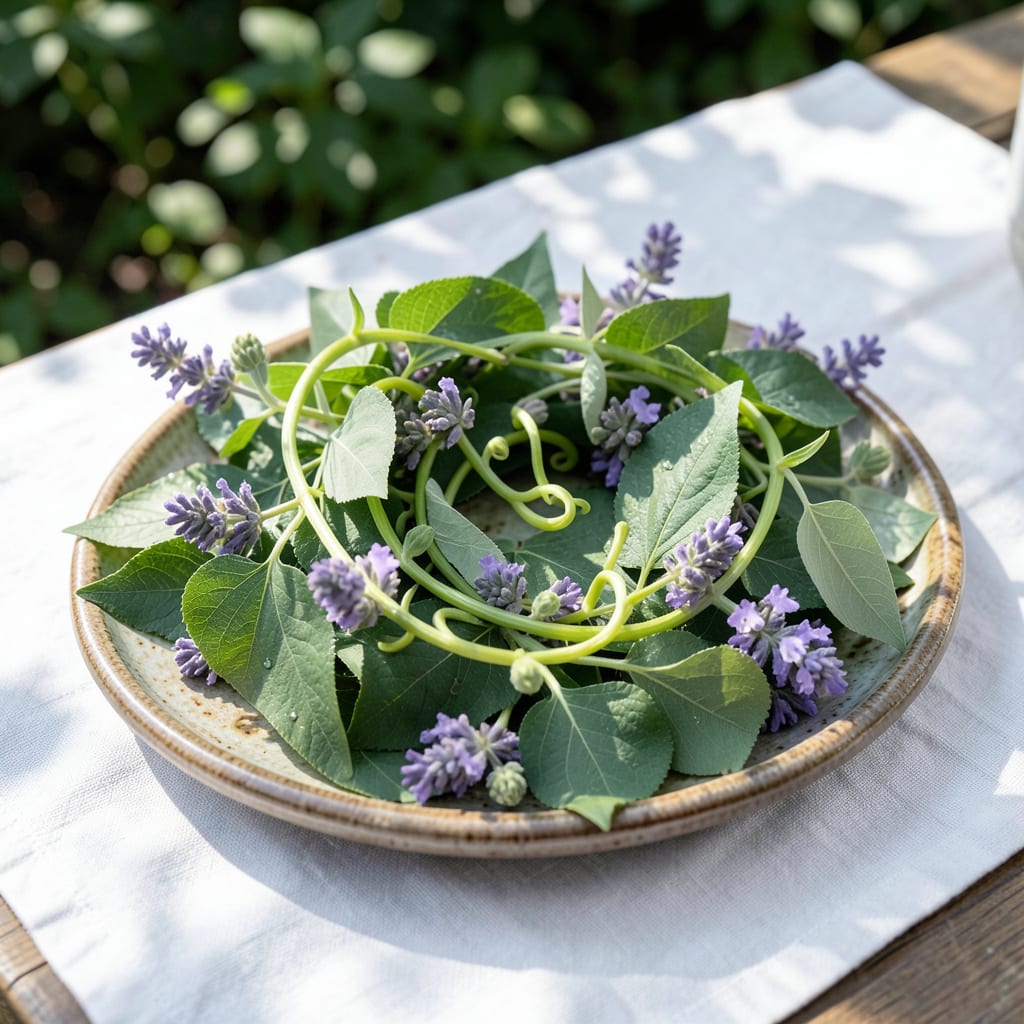
My butterfly bush looked sad last summer, with leaves twisting into tight curls. I traced it to three likely culprits: aphids, drought stress, or fungal issues hiding on the undersides.
Here’s the thing—curling is your plant’s SOS signal. It’s trying to protect itself from damage, but the fix is usually simpler than you’d think. Most cases clear up with better watering and a quick inspection for pests.
I’ll be real with you: the organic solutions work surprisingly well. A strong spray of water knocks off aphids, while adjusting your watering schedule prevents stress-related curling.
Catch it early and your bush will bounce back with those vibrant blooms butterflies love. The key is acting before the problem spreads to the entire plant.
Butterfly bush (Buddleja) leaves curl for several reasons, often tied to environmental stress or pests. Here’s a breakdown of the most common causes:
High temperatures and insufficient water cause leaves to curl inward to reduce surface area and minimize moisture loss. This is a survival mechanism, but prolonged drought can weaken the plant. Check soil moisture 2 inches deep—if dry, water deeply at the base.
Root rot from soggy soil disrupts nutrient uptake, leading to curled, yellowing leaves. Butterfly bushes prefer well-draining soil. If the soil stays waterlogged, improve drainage with organic matter or reduce watering frequency.
Aphids, spider mites, and whiteflies suck sap from leaves, causing curling and distortion. Inspect the undersides of leaves for tiny insects or sticky residue (honeydew). Treat with a neem oil spray or insecticidal soap for organic control.
Powdery mildew or leaf spot can stress the plant, leading to curled leaves. These fungi thrive in humid, poorly ventilated conditions. Prune affected foliage, improve air circulation, and avoid overhead watering to prevent spores from spreading.
A lack of magnesium or potassium may cause leaf curling alongside yellowing or browning edges. Test your soil and amend with compost or a balanced organic fertilizer if deficiencies are suspected.
Once you’ve identified the cause of your butterfly bush’s curling leaves, these targeted fixes will help restore its health. Address each issue promptly to prevent long-term damage.
Fix: Water deeply at the base of the plant, ensuring the soil is moist but not waterlogged. Aim for 1–2 inches of water per week, especially during dry spells. Mulch around the base with organic material to retain moisture.
Prevention: Water consistently, preferably in the early morning, and maintain a 2–3 inch layer of mulch to regulate soil temperature.
Fix: For aphids, spider mites, or whiteflies, spray leaves with a strong stream of water to dislodge pests. Follow up with neem oil or insecticidal soap, applying every 5–7 days until the problem subsides.
Prevention: Encourage beneficial insects like ladybugs and lacewings by planting companion flowers. Inspect leaves regularly for early signs of pests.
Fix: Remove and destroy affected leaves to prevent spread. Apply a copper-based fungicide or bacterial spray, following label instructions. Improve air circulation by pruning dense growth.
Prevention: Avoid overhead watering—use drip irrigation instead. Space plants properly and clean up fallen debris to reduce disease risk.
Fix: Stop watering immediately and let the soil dry out. If the plant is in a container, ensure it has drainage holes. For in-ground plants, amend heavy soil with compost to improve drainage.
Prevention: Test soil moisture before watering—stick your finger 1–2 inches into the soil. Only water if it feels dry.
Fix: Apply a balanced, slow-release fertilizer or compost tea to replenish nutrients. For severe deficiencies (e.g., yellowing leaves), use a liquid fertilizer high in nitrogen or the missing nutrient.
Prevention: Feed your butterfly bush lightly in early spring and mid-summer. Avoid over-fertilizing, which can lead to weak growth.
Water deeply 1-2 times per week, providing 1-2 inches total. Check soil 2 inches deep—if dry, it’s time to water. Morning watering works best.
Blast leaves with water to remove pests, then apply neem oil or insecticidal soap every 5-7 days. Focus on leaf undersides where pests hide.
Yes, over-fertilizing creates weak growth and stress. Use a balanced organic fertilizer lightly in spring and mid-summer. Always follow package rates.
New growth will be healthy, but damaged leaves may not fully uncurl. Remove severely curled leaves to redirect energy to fresh growth.
