
Beautiful Plants For Your Interior
Beautiful Plants For Your Interior
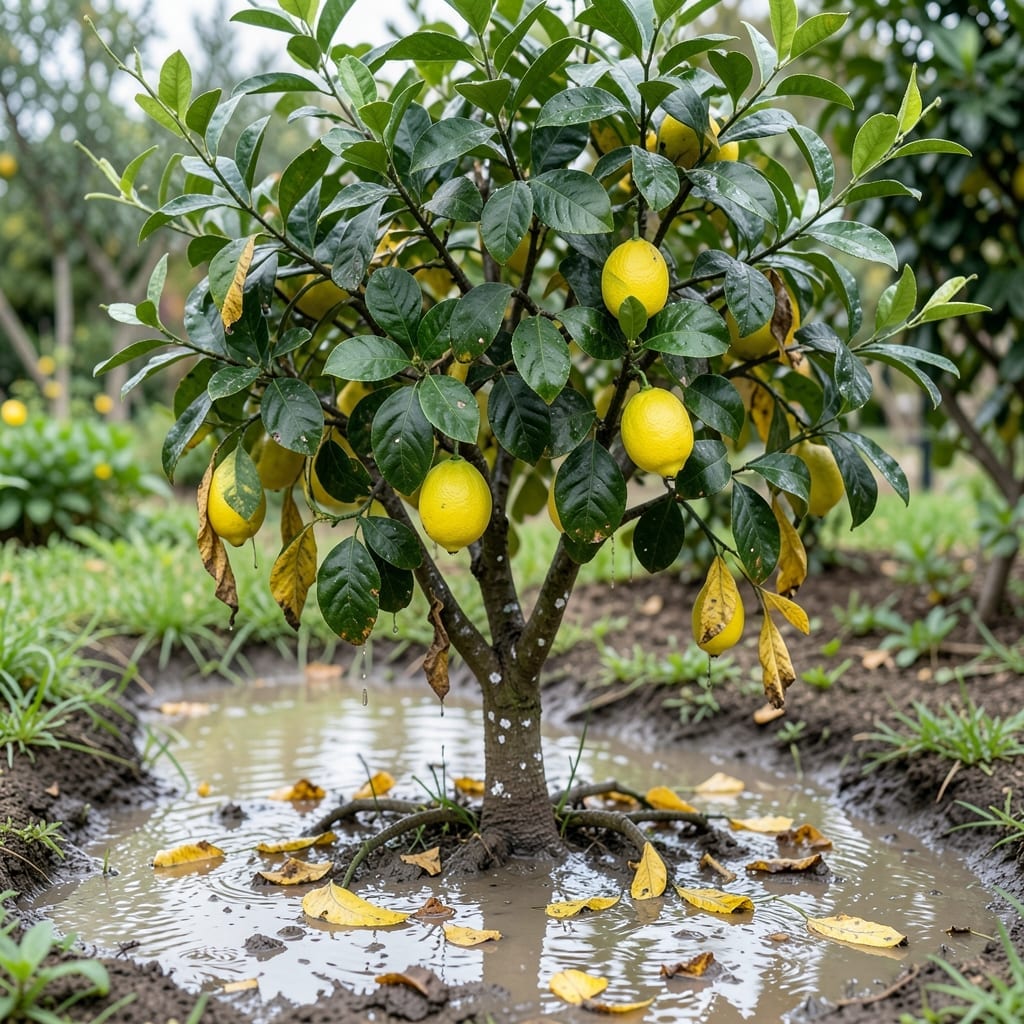
Your lemon tree’s leaves turning yellow isn’t just a sad sight—it’s a red flag. I’ve seen this happen to my own citrus more times than I’d like to admit, and it always starts with the same mistake: too much water.
The first signs are easy to miss: soft, drooping leaves that feel almost mushy. Then comes the yellowing, often starting at the bottom. Left unchecked, you’ll notice the soil staying soggy for days and roots turning dark, mushy, and smelly.
Here’s the thing—lemon trees hate wet feet. They’d rather go a little thirsty than drown. The fix is simpler than you think: let the top 2-3 inches of soil dry out completely between waterings.
Fair warning: overwatering can lead to root rot fast. If your tree’s already struggling, stop watering immediately and check the drainage. This could save your tree.
Overwatering a lemon tree disrupts its natural balance, leading to visible distress. Here’s why it happens:
Lemon trees thrive in well-draining soil. When planted in heavy clay or compacted soil, water pools around the roots, suffocating them. Root asphyxiation occurs because the roots can’t access oxygen, leading to rot. Always use a pot with drainage holes or amend garden soil with sand or perlite.
Many gardeners assume frequent watering equals better growth. However, lemon trees prefer deep but infrequent watering. Overwatering fills the soil’s air pockets, preventing root respiration. Stick your finger 2 inches into the soil—if it’s moist, wait to water.
A container that’s too large holds excess moisture, while a small one dries out too quickly. For potted lemon trees, choose a pot only 2–4 inches wider than the root ball. This ensures proper moisture balance without waterlogging.
Cooler weather slows evaporation, leaving soil soggy longer. In winter or mild climates, reduce watering frequency. Lemon trees in colder zones (USDA 8–11) are especially prone to overwatering damage when dormant.
If your lemon tree is showing signs of overwatering, don’t panic—you can nurse it back to health with these targeted fixes. Address the issue quickly to prevent long-term damage like root rot or stunted growth.
Stop watering immediately and check the soil. If it feels soggy, let it dry out completely before watering again. For potted trees, ensure the container has drainage holes. If not, repot into a well-draining pot with a mix of 50% potting soil and 50% perlite or sand. For in-ground trees, amend the soil with compost or coarse sand to boost drainage.
Prevention tip: 💡 Water only when the top 2-3 inches of soil are dry. Use a moisture meter to take the guesswork out.
Trim off yellow or mushy leaves with clean shears to redirect the tree’s energy to healthy growth. If the leaves are drooping but still green, reduce watering and move the tree to a sunnier spot to help the soil dry faster. Avoid fertilizing until the tree recovers, as overwatered roots can’t absorb nutrients effectively.
Prevention tip: ✨ Stick to a consistent watering schedule—lemon trees typically need deep watering once every 7-10 days in warm weather.
If you notice a foul smell or black, mushy roots, your tree may have root rot. Gently remove it from the soil, trim away affected roots with sterilized shears, and repot in fresh, sterile soil. Apply a copper-based fungicide to prevent further fungal spread.
Prevention tip: 🎯 Always use clean tools and avoid overcrowding plants to improve air circulation around the roots.
Water deeply once every 7-10 days in warm weather. Always check the soil first—if the top 2-3 inches are dry, it’s time to water. Overwatering is far more common than underwatering with these trees.
This is a classic sign of overwatering. Yellow leaves often start at the bottom and may feel soft or mushy. The tree is struggling to absorb nutrients due to soggy soil. Stop watering immediately and check drainage.
Yes, if caught early. Remove the tree from the soil, trim black or mushy roots, and repot in fresh, sterile mix. Apply a copper-based fungicide and avoid watering for a few days. Recovery depends on how much healthy root remains.
Use a fast-draining mix: 50% potting soil and 50% perlite or sand. For in-ground planting, amend heavy soil with compost. Always ensure containers have drainage holes.