
Beautiful Plants For Your Interior
Beautiful Plants For Your Interior
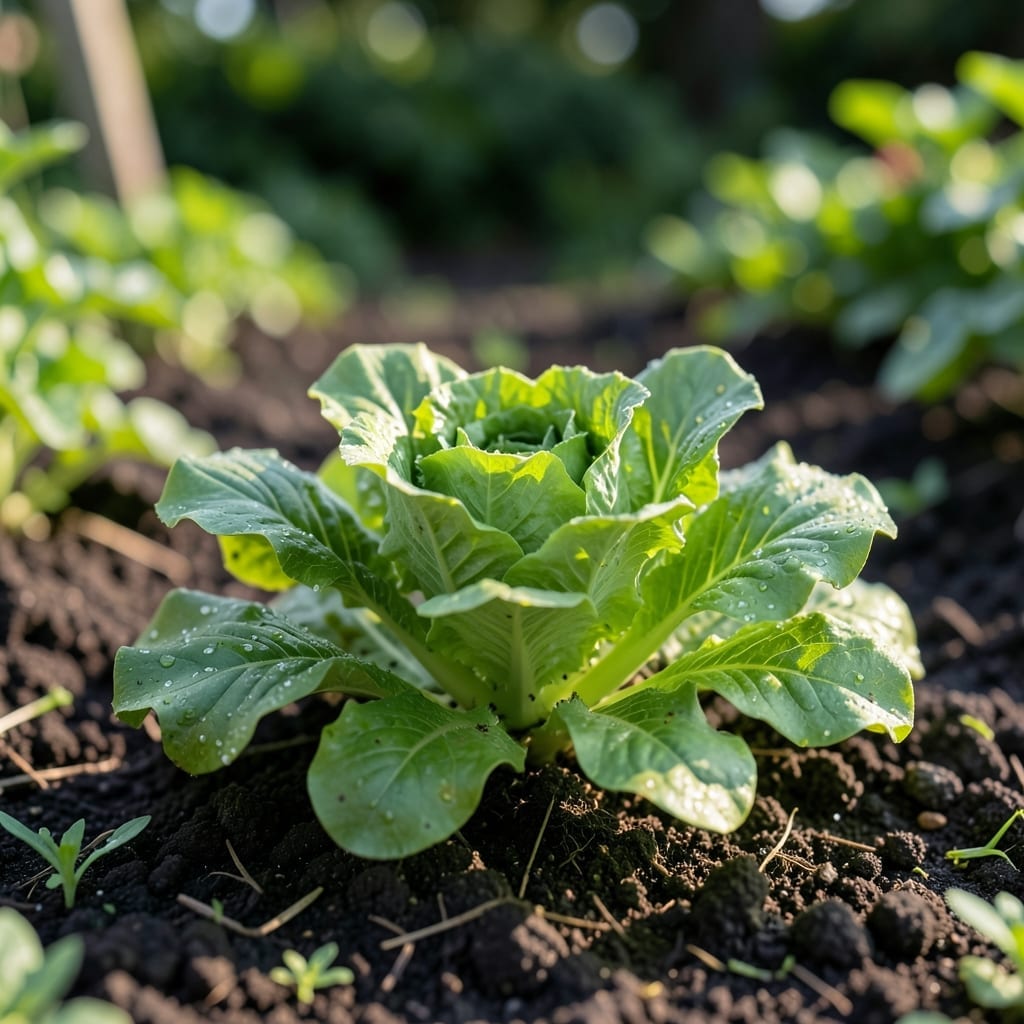
Recognizing young lettuce among other seedlings can be tricky, but knowing their distinct early stages helps gardeners nurture them properly from the start.
The 🥬 Lettuce sprout begins as a tiny green loop breaking through the soil, quickly unfurling into two small, oval leaves. These first leaves, called cotyledons, are simple and uniform.
I’ll show you how to spot these early signs and distinguish them from common weeds. Discover what to look for in those crucial first days of growth.
Identifying lettuce sprouts early helps gardeners provide the right care. The first sign is a tiny green loop pushing through the soil, usually within 5-10 days of planting.
This loop quickly unfurls into two oval cotyledons, which are smooth and bright green. These initial leaves are simple, unlike the serrated true leaves that follow.
| Stage | Appearance | Timing |
|---|---|---|
| Germination | Green loop emerges | 5-10 days after sowing |
| Cotyledon | Two oval leaves | 7-14 days after sowing |
| True Leaves | Serrated edges appear | 14-21 days after sowing |
| Seedling | Multiple true leaves | 21-30 days after sowing |
The cotyledon stage is critical for identifying lettuce. These first leaves are smooth-edged and slightly thick, helping the seedling establish itself before true leaves emerge.
True leaves appear after the cotyledons, with distinct serrations and a deeper green color. They grow larger and more numerous as the plant matures.
I’ve noticed that healthy sprouts have vibrant green leaves and sturdy stems. If the leaves look yellow or wilted, it might indicate overwatering or poor soil conditions.
At the seedling stage, lettuce plants are about 2-3 inches tall with multiple true leaves. This is when they’re ready for thinning or transplanting if needed.
For best results, keep the soil consistently moist but not soggy. Lettuce sprouts thrive in cool temperatures between 60-70°F.
If you’re growing multiple varieties, note that leaf lettuce sprouts often have more pronounced serrations than romaine or butterhead types.
Remember, lettuce sprouts are delicate. Avoid disturbing the soil around them, and protect them from strong winds or heavy rain that can damage their tender stems.
Spotting lettuce sprouts among weeds can be challenging, but there are key visual differences to look for. Young lettuce has smooth cotyledons that are bright green and oval-shaped.
Weeds often have irregular leaves or different shades of green. Lettuce cotyledons appear in pairs, while many weeds sprout with single leaves or clusters.
| Feature | Lettuce Sprout | Common Weed |
|---|---|---|
| Leaf Shape | Oval cotyledons | Irregular or jagged |
| Leaf Color | Bright green | Dull or varied green |
| Leaf Arrangement | Paired cotyledons | Single or clustered |
| Stem | Thin and green | Thick or reddish |
Another clue is the growth pattern. Lettuce sprouts grow upward with a central stem, while many weeds spread outward or grow in a bushy manner.
I always check for the first true leaves, which emerge after cotyledons. These have serrated edges and a deeper green color, unlike most weed leaves.
If you’re unsure, wait a few days and observe the changes. Lettuce sprouts develop true leaves quickly, while many weeds grow more slowly or differently.
Remember, young lettuce is delicate. When weeding, be gentle to avoid disturbing the shallow roots of your lettuce sprouts.