
Beautiful Plants For Your Interior
Beautiful Plants For Your Interior
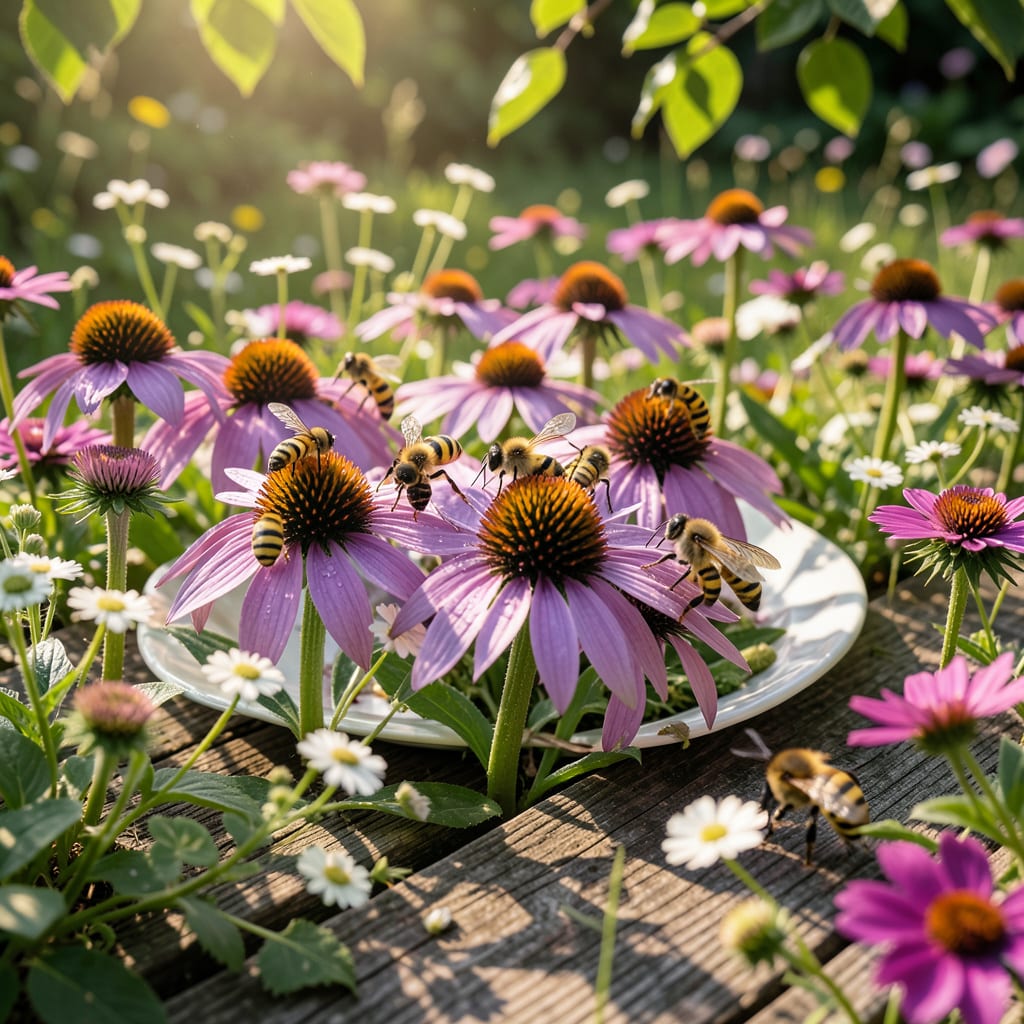
Yellow jackets get a bad rap, but they’re actually garden MVPs. These striped insects pollinate flowers and hunt pests like caterpillars and flies that damage your plants.
I used to swat at every one I saw until I realized they’re keeping my garden healthier. Their aggression is just protection—they’re not out to sting you. Learn to appreciate their role, and you might see your garden thrive like never before.
📚 In This Guide
Here’s how to observe and appreciate these insects’ vital contributions to your garden and beyond.
Yellow jackets visit flowers for nectar, and in the process, they transfer pollen between plants. Unlike bees, they don’t have specialized pollen-carrying structures, but their bodies still pick up and distribute pollen as they move from bloom to bloom. This makes them accidental yet effective pollinators for many wildflowers and crops.
Watch them closely in late summer when they’re most active. You’ll notice they’re particularly drawn to sweet-smelling flowers and often linger longer than bees, increasing the chances of successful pollination. Their work supports biodiversity, helping plants reproduce and sustain local ecosystems.
One of the most valuable roles yellow jackets play is controlling pest populations. Adults hunt and feed caterpillars, flies, and other soft-bodied insects to their larvae. A single colony can consume thousands of pests in a season, reducing the need for chemical interventions in gardens and farms.
If you see them scavenging in your garden, resist the urge to disturb them. They’re likely targeting harmful insects that would otherwise damage your plants. Their predatory behavior keeps pest numbers in check, promoting healthier crops and landscapes without human effort.
Yellow jackets are also nature’s recyclers. They scavenge dead insects, fallen fruit, and other organic matter, breaking it down and returning nutrients to the soil. This process enriches the earth, supporting plant growth and maintaining soil health.
In forests and fields, their foraging helps decompose organic material faster than it would naturally. This accelerates nutrient cycling, ensuring that essential elements are available for new plant growth. Their activity contributes to the balance of the ecosystem, even in ways that aren’t immediately visible.
As both predators and prey, yellow jackets occupy a key position in the food web. They serve as a food source for birds, mammals, and other insects, including spiders and dragonflies. Their presence supports higher trophic levels, ensuring energy flows through the ecosystem.
If you find a nest, avoid disturbing it, as it may be sustaining local wildlife. Even their abandoned nests provide shelter for other creatures, like overwintering bees or small mammals. Their ecological footprint extends far beyond what most people realize.
Here are some practical observations to help you better appreciate their environmental contributions.
The Observation Window: As noted in Step 1, late summer is when yellow jackets are most active with pollination. This is the ideal time to watch them work—visit your garden during these months and focus on sweet-smelling flowers where they’re most likely to appear.
Pest Control Insight: When observing Step 2, remember that their hunting activity peaks in summer. If you see them carrying insects back to their nest, they’re actively feeding their larvae—this is natural pest control in action that benefits your entire garden ecosystem.
Nutrient Cycling Tip: For Step 3, pay attention to areas with fallen fruit or decaying plant matter. Yellow jackets will be particularly active in these spots, breaking down organic material that would otherwise accumulate and potentially harbor plant diseases.
Food Chain Perspective: As mentioned in Step 4, their nests serve multiple purposes beyond housing the colony. When you locate one, take note of other wildlife in the area—you might spot birds or small mammals that benefit from the yellow jackets’ presence in the food web.
Yes! Yellow jackets help control pest populations like flies and caterpillars, and they pollinate plants while foraging for nectar. Their role as predators and decomposers supports ecosystem balance.
While not as efficient as honeybees, yellow jackets do pollinate some plants as they collect nectar. Their primary ecological role, however, is pest control rather than pollination.
Only remove nests if they pose a direct threat. Yellow jackets prey on garden pests, so leaving them be can benefit your plants. Use professional help for safe removal if needed.
Yellow jackets primarily hunt insects (flies, beetles, spiders) and scavenge for protein. They also feed on nectar, fruit, and carrion, making them effective natural pest controllers.
