
Beautiful Plants For Your Interior
Beautiful Plants For Your Interior
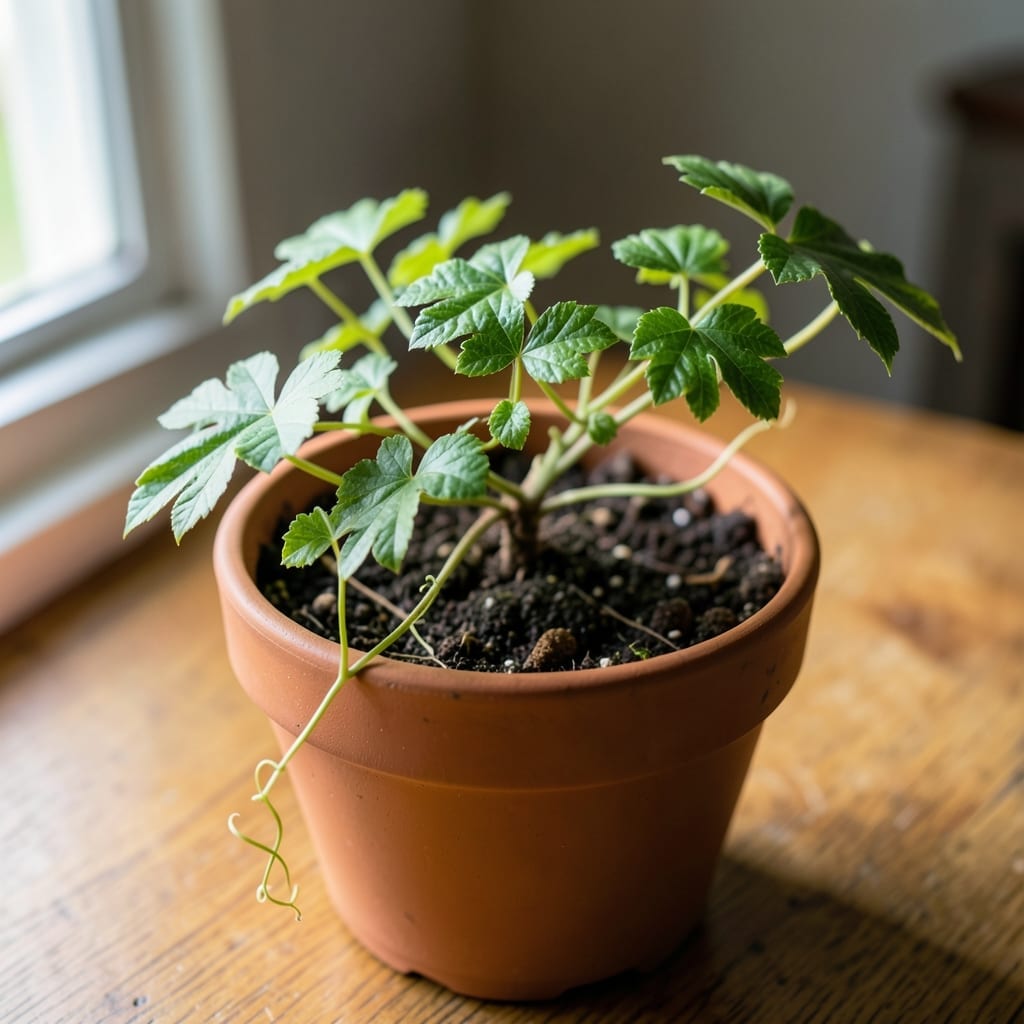
First-time growers often stare at their trays, wondering which tiny green speck is actually passion fruit. I’ve been there—squinting at seedlings, second-guessing every sprout.
The real deal has heart-shaped leaves with smooth edges, starting small but growing fast. Stems are thin and slightly fuzzy, often tinged purple in early stages. By 2-3 weeks, true leaves form that distinctive three-lobe shape.
Healthy ones stand upright with vibrant green color, while weak seedlings look pale or leggy. Watch for the first tendrils—those curly vines confirm you’ve got the right plant.
Weeds grow faster, with different leaf patterns, so don’t mistake them for your passion fruit. Patience pays off here.
Understanding the appearance of passion fruit seedlings starts with knowing the biological and environmental factors that shape their early growth. Here’s why they develop their distinctive traits:
Passion fruit seedlings inherit their initial traits from the Passiflora genus DNA. The cotyledons (seed leaves) emerge first, often broad and oval, as the plant taps into its genetic programming to prioritize photosynthesis. This genetic coding also dictates the early leaf shape—typically deeply lobed or serrated—which helps maximize sunlight absorption in their native tropical habitats.
Seedlings develop their signature vibrant green leaves and sturdy stems due to efficient water and nutrient absorption. The radicle (primary root) grows downward rapidly, anchoring the plant while absorbing moisture and minerals. Without adequate hydration, seedlings may appear stunted or pale, as water stress disrupts cellular expansion and chlorophyll production.
Light is a critical trigger for passion fruit seedling morphology. In full sunlight, seedlings develop thicker stems and darker green leaves to optimize energy capture. Conversely, low-light conditions can lead to etiolation—spindly, weak growth with elongated internodes—as the plant stretches toward light sources. This adaptation ensures survival but alters their typical compact, robust appearance.
Warmth accelerates metabolic processes, prompting faster germination and leaf unfurling. Passion fruit seedlings in ideal temperatures (70–85°F) display vigorous growth with well-defined veins and a healthy glossy sheen. Cooler temperatures slow these processes, often resulting in smaller, slower-developing leaves with less pronounced lobing.
If your passion fruit seedlings don’t look healthy, here’s how to diagnose and fix common problems with practical solutions and prevention tips.
Cause: Insufficient light forces seedlings to stretch toward the sun, resulting in weak stems.
Fix: Move seedlings to a brighter spot or use a grow light (12–16 hours daily). If they’re already leggy, gently bury the stems deeper in the soil to encourage root growth.
Prevention: Start seeds in a well-lit area from day one. Rotate trays daily for even light exposure. 💡
Cause: Overwatering or nutrient deficiencies (like nitrogen) can turn leaves yellow.
Fix: Let the top inch of soil dry before watering again. Use a balanced liquid fertilizer (10-10-10) diluted to half strength every 2 weeks.
Prevention: Use well-draining soil and pots with drainage holes. Test soil moisture with your finger before watering. 🌡️
Cause: Aphids, spider mites, or whiteflies can stunt growth and deform leaves.
Fix: Spray seedlings with a mild soap solution (1 tsp dish soap per liter of water) or introduce neem oil (follow label instructions). For severe infestations, remove affected leaves.
Prevention: Keep the growing area clean and free of debris. Inspect seedlings weekly for early signs of pests. 🎯
Cause: Poor soil quality, cold temperatures, or root bound conditions can slow growth.
Fix: Repot seedlings into larger containers with fresh, nutrient-rich potting mix. Ensure temperatures stay above 60°F (15°C).
Prevention: Start seeds in warm, loose soil and transplant before roots become crowded. ✨
Seedlings typically emerge in 10-20 days under ideal conditions. Keep soil warm (70-85°F) and moist but not soggy for best results. Cooler temps may delay germination by several weeks.
Seed leaves (cotyledons) appear first—simple, oval, and smooth. True leaves develop later with the classic 3-lobe shape and serrated edges. This change signals the plant is establishing its adult growth pattern.
Purple stems are normal in early stages! This coloration comes from anthocyanins, natural pigments that protect young plants from UV light. The purple fades as stems mature and toughen up.
Wait until at least 2-3 true leaves form. Transplanting too early can shock the delicate root system. Handle by the leaves, not stems, to avoid damage.