
Beautiful Plants For Your Interior
Beautiful Plants For Your Interior
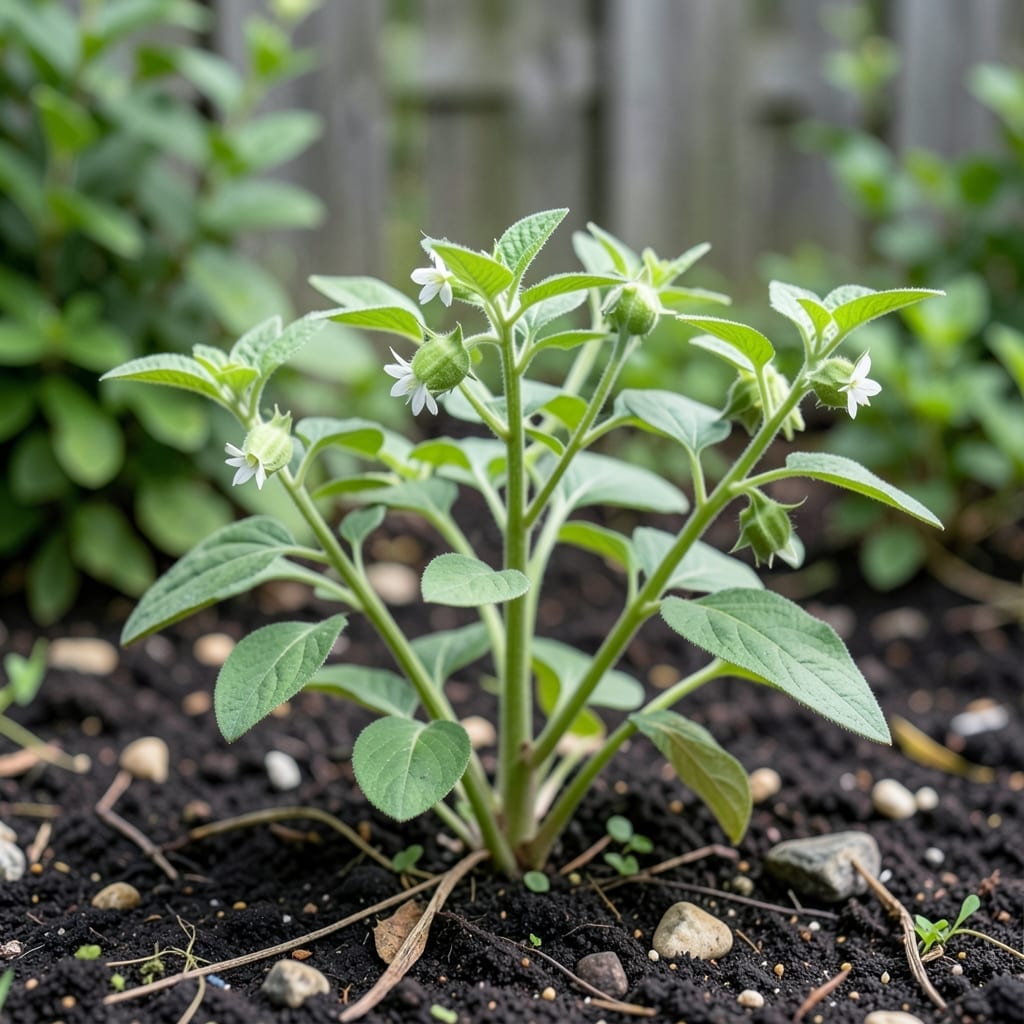
Spotting ground cherry seedlings for the first time can be tricky. These tiny plants emerge with heart-shaped leaves, often with a slight fuzzy texture, and they’re smaller than a dime at first.
As they grow, the leaves develop a distinct jagged edge and a soft, velvety feel. The stem stays slender and green, sometimes tinged with purple, especially in cooler weather.
Unlike mature plants, seedlings lack the papery husks that form later. They also look different from tomato seedlings, which have more pointed leaves and a smoother texture.
By the time they’re 2-3 inches tall, you’ll notice the first true leaves that confirm their identity. Keep an eye out for this unique shape and texture.
Ground cherry seedlings (Physalis spp.) may look different from what you expect due to a few key biological and environmental factors. Understanding these causes helps you identify them accurately and troubleshoot any confusion.
Ground cherries belong to the Physalis genus, which includes multiple species like P. peruviana (Cape gooseberry) and P. pruinosa (strawberry ground cherry). Each species has distinct seedling traits—leaf shape, size, and growth habit can vary. For example, P. pruinosa seedlings often have smaller, more rounded leaves compared to the elongated leaves of P. peruviana. This genetic diversity means seedlings won’t always match a single “standard” appearance.
Seedlings adapt to their environment, which can alter their appearance. Light levels, for instance, trigger morphological changes: seedlings grown in low light may become leggy with pale, stretched stems, while those in full sun develop compact, dark green foliage. Similarly, nutrient deficiencies (e.g., nitrogen or phosphorus) can cause stunted growth or discolored leaves, mimicking other plants or even weeds.
Young ground cherry seedlings emerge with cotyledons (seed leaves), which are simple, oval, and smooth—easily mistaken for common weeds. True leaves appear later, displaying the characteristic serrated edges and slightly fuzzy texture of Physalis. Misidentification often happens when growers expect mature traits in early-stage plants. Patience and observation are key!
If your ground cherry seedlings aren’t thriving, don’t worry—most problems have simple fixes. Here’s how to tackle common issues and keep your young plants on track.
Fix: Move seedlings to a brighter location or use a grow light 12–16 hours daily. If they’re already stretched, gently bury the stems deeper when transplanting to encourage root growth.
Prevention: Start seeds under adequate light from day one and avoid overcrowding trays, which causes competition for light.
Fix: Check soil moisture—let the top inch dry between waterings. If the soil is soggy, improve drainage by poking holes in the tray or repotting in a grittier mix. For yellow leaves, a diluted fertilizer (half-strength) can replenish nutrients.
Prevention: Water at the base (not leaves) and use containers with drainage holes. A fan on low can improve air circulation to prevent fungal issues.
Fix: Spray aphids off with water or apply neem oil. For fungus gnats, let the soil dry more between waterings and use yellow sticky traps.
Prevention: Keep the growing area clean, remove dead leaves promptly, and avoid overwatering. Introduce beneficial insects like ladybugs for natural pest control.
Fix: Warm the soil with a heat mat (ground cherries love warmth) and ensure temperatures stay above 70°F. If roots are bound, transplant to larger containers.
Prevention: Use a well-draining, nutrient-rich seed-starting mix and maintain consistent temperatures. Avoid cold drafts or sudden temperature swings.
💡 Pro Tip: Label seedlings with their planting date—this helps track growth progress and adjust care as needed!
Look for heart-shaped cotyledons that are slightly fuzzy. True leaves appear with jagged edges and a velvety texture, unlike most weeds.
True leaves typically emerge 7-14 days after germination. They’ll be larger than the initial cotyledons with distinct serrated edges.
Purple stems often appear in cooler temperatures or with certain varieties. It’s normal and doesn’t affect plant health.
No, appearance varies by species. For example, P. pruinosa has smaller, rounder leaves than P. peruviana.