
Beautiful Plants For Your Interior
Beautiful Plants For Your Interior
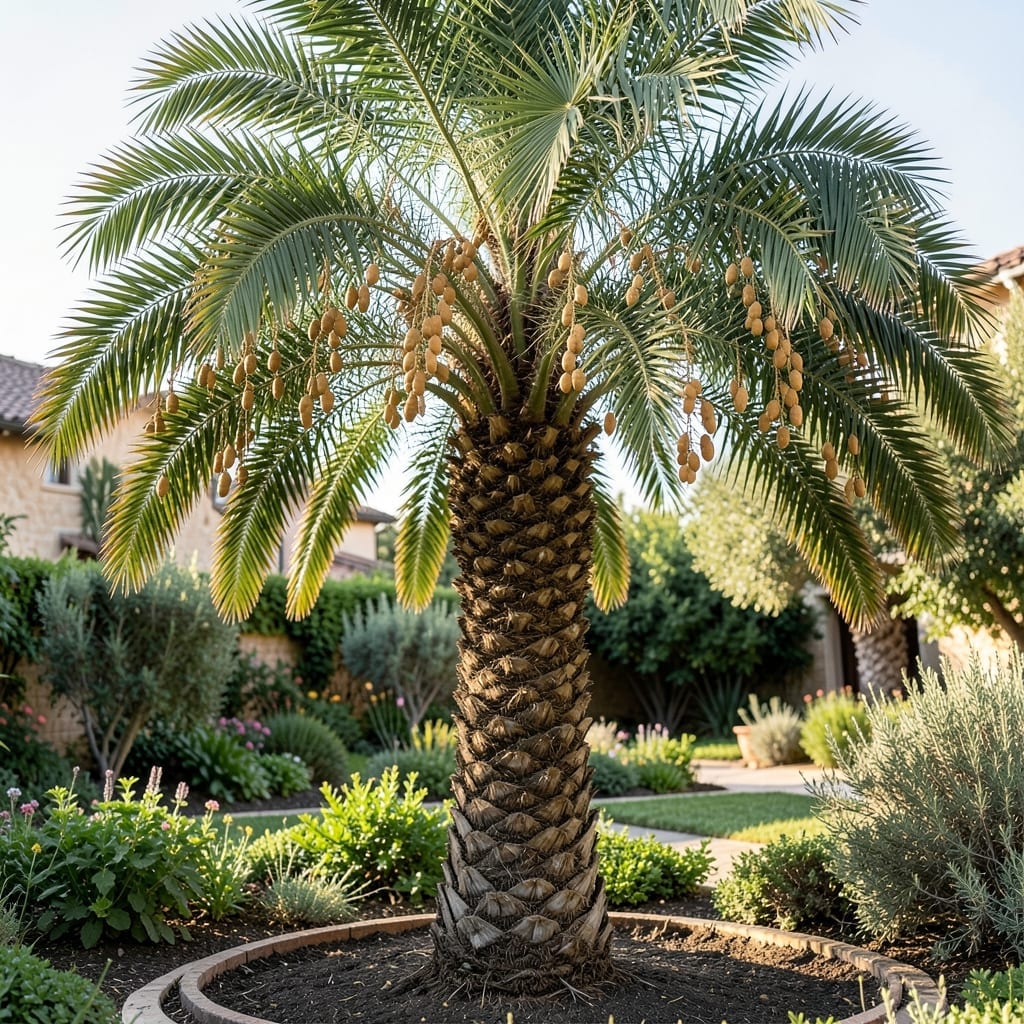
Watching dates transform on the Date Palm is like observing nature’s own timelapse. From delicate buds to golden clusters, each stage tells a story of growth and ripening.
Understanding these visual changes helps you spot healthy development. The progression from green to brown and the texture shift from firm to soft are key indicators of maturity.
I’ll walk you through what to look for at every phase, so you can confidently identify perfectly ripe dates on your tree.
If you’ve ever wondered what do dates look like as they grow, the journey is fascinating. The process begins with tiny green buds that slowly swell and transform over months into the sweet fruit we recognize.
The Date Palm produces fruit in clusters called bunches, which can weigh 10-20 pounds each. Observing these stages helps you gauge ripeness and ensure a bountiful harvest. 🌿
| Stage | Appearance | Duration |
|---|---|---|
| Bud (Hababouk) | Tiny green flowers in clusters | 2-3 weeks |
| Kimri | Green and hard, pea-sized | 4-5 months |
| Bisr | Red or yellow, semi-soft | 1-2 months |
| Rutab | Brown and soft, sweet taste | 2-4 weeks |
| Tamr | Wrinkled and dry, deep brown | Ready for harvest |
The Kimri stage is the longest, where the fruit remains hard and green. This is when the Date Palm focuses energy on sizing up the fruit, but it’s far from edible.
As the dates transition to Bisr, they’ll start changing color to red or yellow and become slightly softer. This stage is critical for sugar development, though the dates are still too astringent to eat fresh.
The Rutab stage is where the magic happens. The dates turn brown and soft, developing their signature sweetness. They’re edible now but still have some moisture content that makes them perfect for fresh eating.
Finally, the Tamr stage is the harvest-ready phase. The dates are fully wrinkled and dry, with a deep brown hue. They’ll easily pull away from the cluster, signaling it’s time to pick them.
I always recommend checking a few dates from different parts of the bunch. If they’re uniformly brown, soft, and sweet, your entire crop is likely ready. This simple test saves you from harvesting too early.
Remember, Date Palms thrive in USDA zones 8-11 and require full sun and well-draining soil. Proper care ensures your dates develop through each stage beautifully.
☀️Spotting healthy dates on your Date Palm means looking for uniform color and firm texture at each growth stage. At the Tamr stage, ripe dates should be deep brown and wrinkled, with a sweet aroma.
In contrast, unhealthy dates may show discoloration, soft spots, or premature dropping. These often signal pest damage or poor pollination issues that need attention. 🌿
A healthy date cluster will have consistent size and color progression across the bunch. If you notice some dates ripening faster than others, it’s usually normal, but large discrepancies may indicate uneven sunlight or nutrient deficiencies.
Check for pest activity like red palm weevils or mealybugs, which can cause blackened spots or stunted growth. Regular inspection of the date strands helps catch issues early.
I recommend gentle handling when examining dates. Squeezing too hard can damage the fruit, while a light touch lets you assess firmness without harm. Early morning is the best time to inspect, as the cool temperatures keep the fruit firm.
Finally, proper pruning of your Date Palm ensures good air circulation, reducing the risk of fungal diseases. Remove any dead fronds and excess fruit to focus the tree’s energy on quality date production. ☀️