
Beautiful Plants For Your Interior
Beautiful Plants For Your Interior
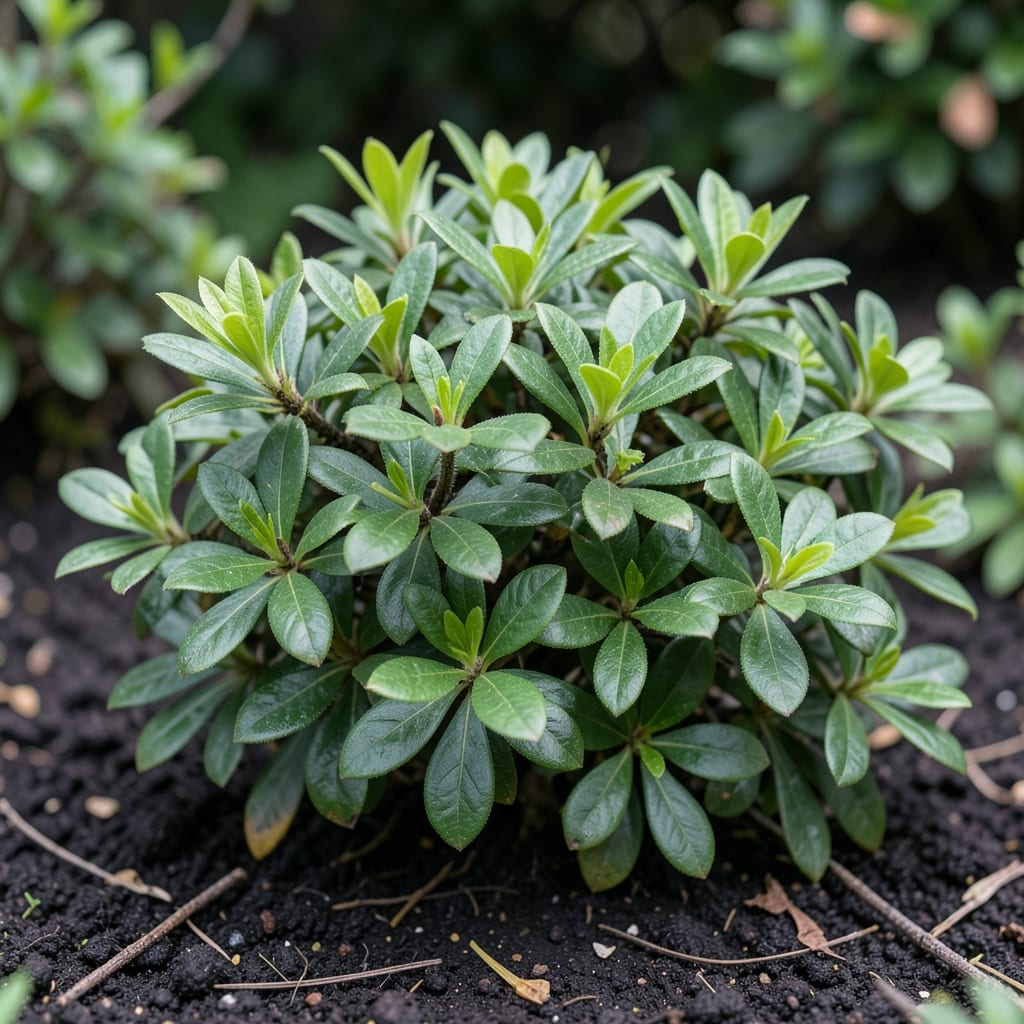
Azalea leaves are typically oval or elliptical, 1 to 6 inches long, with smooth edges and a glossy, deep green surface. Some varieties have fuzzy undersides or turn vibrant red in fall.
I love how these leaves adapt to seasons—evergreen types stay lush year-round, while deciduous ones burst into fiery reds and oranges before dropping. 🔥 The undersides often reveal subtle textures, like fine hairs, that help botanists classify different cultivars. This variation makes azaleas fascinating for gardeners trying to identify specific plants.
💡 In This Article
The shape of azalea leaves varies by species, from broad ovals in Rhododendron obtusum to slender ellipticals in native Rhododendron canescens. The size spectrum is equally diverse, with dwarf varieties producing 1-inch leaves while mature specimens can reach 6 inches in length. This variation helps distinguish between the over 10,000 registered azalea cultivars. 🌟
Texture offers another identification clue. Most azalea leaves have a smooth, leathery surface, but some like the Satsuki hybrids develop fine hairs on the underside. This fuzzy coating, called tomentum, helps reduce water loss in drier climates. The veins form a distinctive pinnate pattern, running parallel from the midrib to the edge. 💫
Seasonal changes dramatically alter leaf appearance. Evergreen azaleas maintain their deep green hue year-round, while deciduous types like Rhododendron schlippenbachii transform into brilliant reds, oranges, or purples in autumn. This color shift results from chlorophyll breakdown revealing underlying carotenoids and anthocyanins. ✨
The leaf margins provide additional differentiation. While most azaleas have entire (smooth) edges, some species display subtle serrations. The leaf apex can be acute (pointed) or obtuse (rounded), with the base typically being cuneate (wedge-shaped). These minute details become crucial when identifying rare or hybrid varieties. 🔥
New growth often appears lighter green, sometimes with a bronze tint, before maturing to the characteristic deep green. The leaves emerge in alternating patterns along the stem, creating a spiral arrangement that maximizes sunlight exposure. This growth pattern contributes to the plant’s lush, full appearance. ⚡
The fuzzy coating, called tomentum, helps reduce water loss in drier climates. It’s particularly common in Satsuki hybrids.
Evergreen types maintain deep green leaves year-round, while deciduous varieties turn vibrant reds or oranges in fall before dropping.
This is normal! New growth often starts with bronze or purple tints before maturing to deep green, especially in spring.
Most have smooth edges, but some species display subtle serrations. These small details help identify rare or hybrid varieties.