
Beautiful Plants For Your Interior
Beautiful Plants For Your Interior
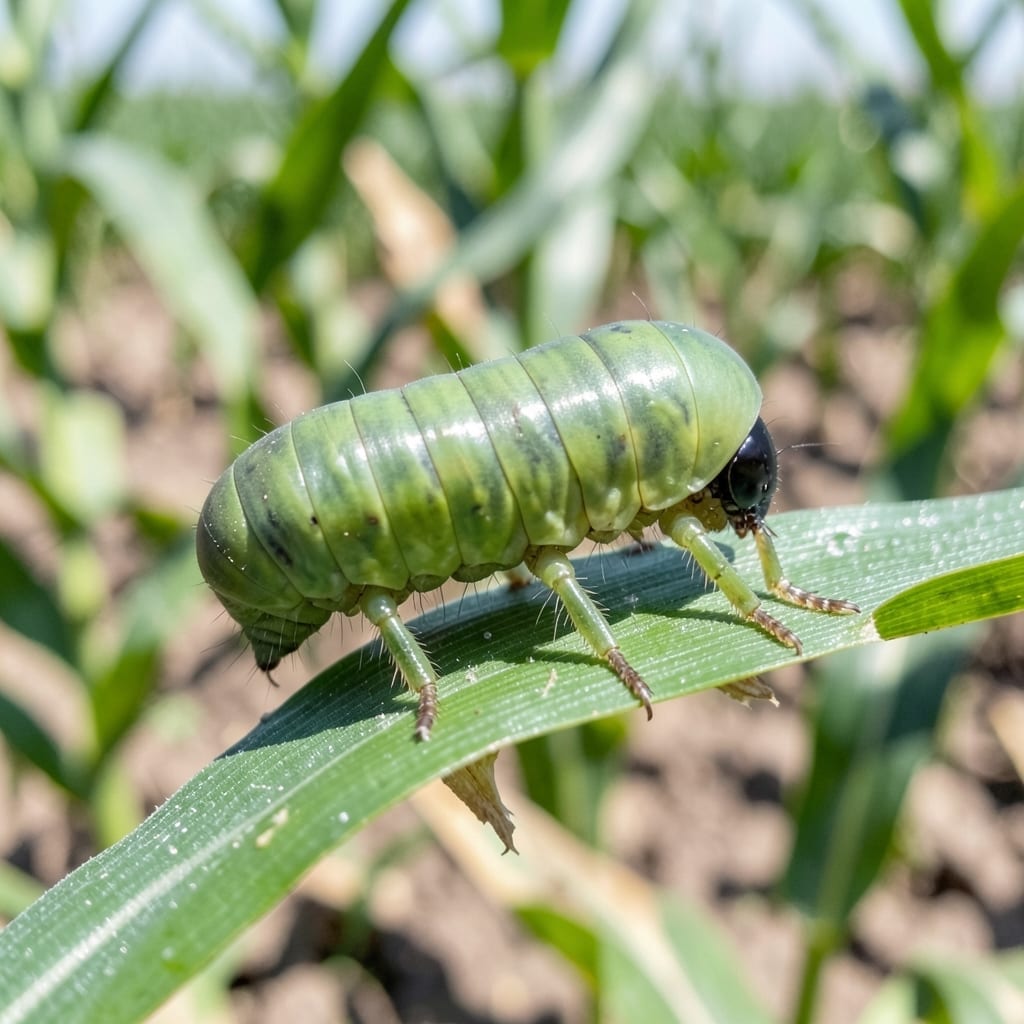
I first spotted them after noticing brown patches spreading across my lawn overnight. Army worms don’t just nibble—they devour, stripping grass and plants to bare stems in days.
These hungry caterpillars march in groups, eating everything in their path. A small infestation can turn a lush garden into a wasteland before you even realize what’s happening.
You’ll see chewed leaves, bare patches, and sometimes the worms themselves curled up in the thatch. The damage looks severe because it is—these pests don’t mess around.
Catching them early makes all the difference. Once you know what to look for, you can stop the destruction before it escalates.
Armyworms don’t just appear out of nowhere—they thrive due to specific environmental and biological triggers. Understanding these causes helps you predict and prevent infestations before they spiral out of control.
Warm, humid climates are a perfect breeding ground for armyworms. Temperatures between 75–90°F (24–32°C) accelerate their life cycle, allowing eggs to hatch in as little as 3–5 days. Heavy rainfall or overwatering creates moist soil, which moths prefer for laying eggs. Drought-stressed lawns are also vulnerable, as weakened grass lacks the vigor to resist feeding.
Tall, dense grass provides shelter and food for armyworm larvae. Lawns with thick thatch layers (over ½ inch) trap moisture and heat, creating a microclimate that supports rapid worm growth. Regular mowing and dethatching disrupt their habitat, making your lawn less appealing.
Armyworms have few natural enemies in residential areas. Birds, parasitic wasps, and ground beetles can reduce their numbers, but pesticide overuse often kills these beneficial predators first. Encouraging biodiversity with native plants or reducing chemical treatments helps maintain a balanced ecosystem that keeps armyworm populations in check.
Army worms can wreak havoc on your lawn and garden, but quick action can save your plants. Here’s how to tackle an infestation and prevent future damage:
Check your plants daily for chewed leaves or bare patches. If you spot a few army worms, remove them by hand (wear gloves!) or prune heavily infested leaves. Drop them into soapy water to ensure they don’t return.
Boost your garden’s defenses by attracting birds, parasitic wasps, and ground beetles. Plant nectar-rich flowers like marigolds or dill, and avoid broad-spectrum pesticides that harm these helpful predators.
For larger outbreaks, apply Bacillus thuringiensis (Bt) or neem oil—both are organic and target caterpillars without harming other wildlife. Spray in the early morning or late evening for best results.
Act fast, stay consistent, and your garden can bounce back from these hungry invaders!
They can strip a lawn bare in 2-3 days under ideal conditions. A large group moves like a wave, eating everything in its path overnight.
Eggs are tiny, white or gray, and laid in clusters of 50-100 on grass blades. They hatch in 3-5 days, so check leaves regularly for these telltale signs.
No, they don’t bite or sting and aren’t toxic. However, pets eating large quantities might experience mild stomach upset. Always monitor curious animals outdoors.
Apply treatments at dawn or dusk when they’re most active. This is also when beneficial predators are less active, reducing unintended harm.