
Beautiful Plants For Your Interior
Beautiful Plants For Your Interior
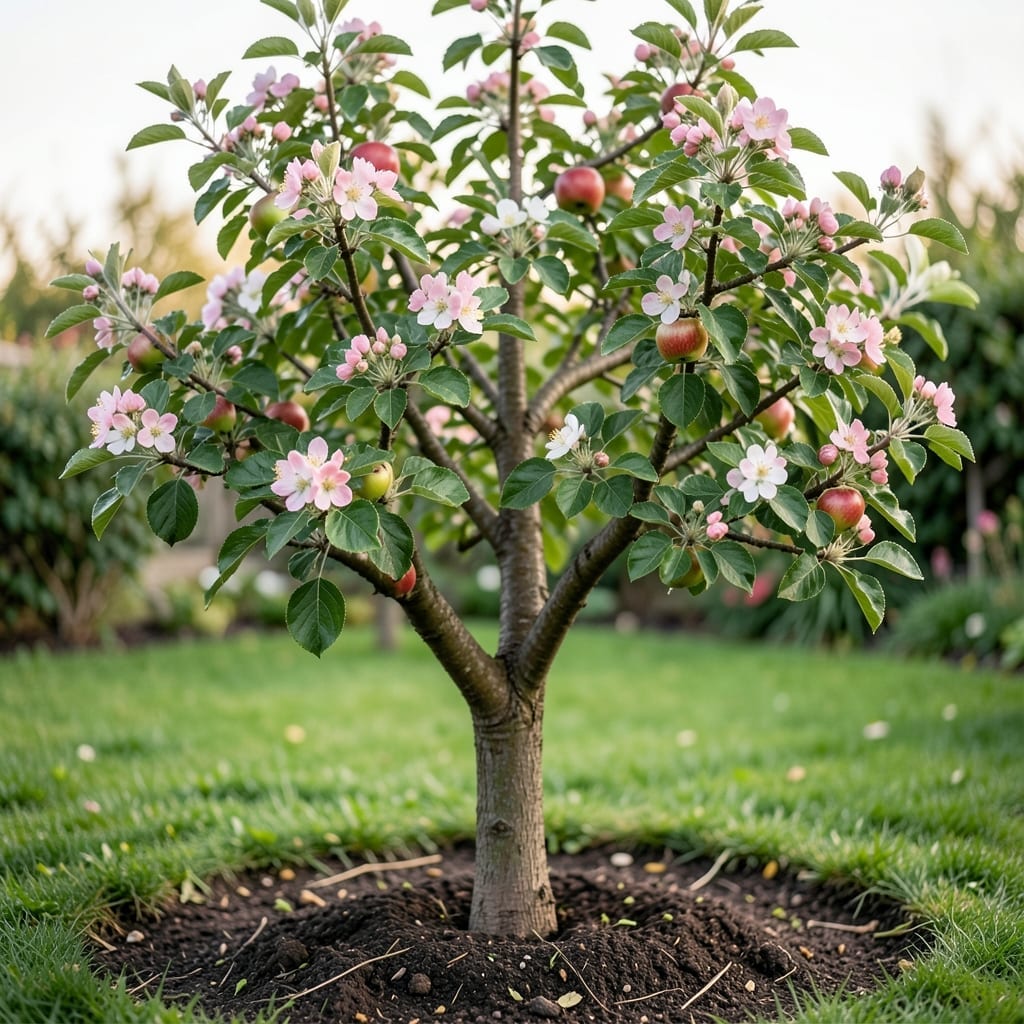
Growing apple trees that thrive and produce bountiful fruit requires more than just planting a seed and hoping for the best. Understanding what 🍎 Apple needs is the foundation of success.
I’ve seen too many gardeners struggle with weak, unproductive trees simply because they overlooked the basics. The right conditions make all the difference between a struggling sapling and a flourishing orchard.
From soil quality to sunlight, each element plays a key role in your tree’s development. Getting these right means healthier growth and a more abundant harvest.
Let me walk you through the essentials so you can cultivate strong, fruit-bearing Apple trees with confidence. The journey starts with knowing exactly what your trees need to flourish.

Apple trees need the right conditions to thrive and produce bountiful fruit. I’ve found that meeting their basic needs ensures healthy growth and a strong harvest for years to come. Let’s start with the fundamentals every gardener should know. 🌳
First, sunlight is non-negotiable. Apple trees require 6+ hours of direct sunlight daily to develop sweet, flavorful fruit. Without enough light, trees grow weak and produce poor-quality apples. ☀️
Next, soil quality plays a huge role. Apple trees prefer well-draining loam with a pH of 6.0–7.0. If your soil is too heavy or clay-like, amending it with compost or sand improves drainage and root health. 🌱
Watering is another critical factor. Young trees need consistent moisture, especially during their first year. I recommend a deep soak once a week, ensuring the root zone stays hydrated but not waterlogged. 💧
Apple trees also require proper spacing to grow well. Standard trees need 20–30 feet apart, while dwarf varieties do fine with 8–10 feet. Crowding leads to poor air circulation and increased disease risk.
Temperature matters too. Most apple varieties thrive in USDA zones 3–8. They need cold winters for dormancy and moderate summers for fruit development. Extreme heat or frost can damage blossoms and fruit.
Don’t overlook pollination. Many apple trees are not self-pollinating, so planting compatible varieties nearby ensures fruit set. Check your tree’s pollination group to pair it correctly.
Finally, nutrient management keeps trees productive. A balanced fertilizer applied in early spring supports growth. I use a 10-10-10 formula for my trees, but always follow soil test recommendations.
By addressing these core needs, your apple trees will establish strong roots and deliver abundant fruit for years. It’s all about giving them the right start and consistent care. 🌿
Apple trees thrive when given the right nutrients at the right time. I’ve learned that a consistent feeding schedule makes a huge difference in fruit quality and tree vigor. Balanced fertilizers work best, especially in early spring.
A 10-10-10 NPK ratio is ideal for most apple trees. I apply it every 4-6 weeks during the growing season, tapering off in late summer to avoid winter damage. Always water deeply after feeding to help nutrients reach the roots.
Pruning is another critical care task that keeps trees productive. I always prune in late winter before new growth starts. This helps remove dead or diseased branches and opens the canopy for better sunlight penetration.
Don’t forget about pest control—apple trees attract many insects. I inspect mine weekly for signs of aphids or apple maggots. Neem oil works well for organic control, but I apply it early in the season before pests become a problem.
Mulching is a simple but effective way to support growth. I spread a 2-3 inch layer of organic mulch around the base each spring. This retains moisture, regulates soil temperature, and keeps weeds at bay. Just be sure to leave a small gap around the trunk.
With these care practices, your apple trees will grow stronger and produce abundant fruit for years to come. Consistency is key, so stick to a schedule and observe your trees regularly for the best results. 🌳