
Beautiful Plants For Your Interior
Beautiful Plants For Your Interior
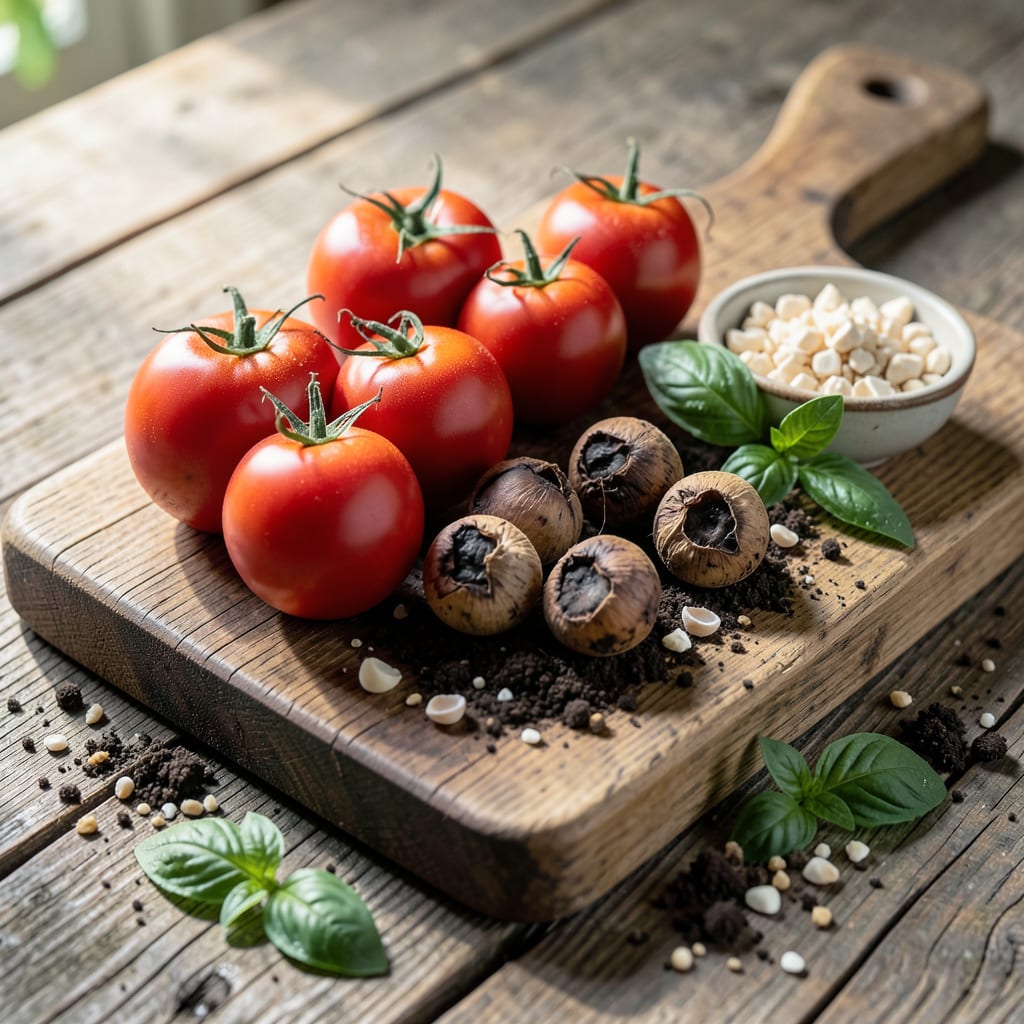
That sunken, black spot at the bottom of your tomatoes isn’t bad luck. It’s your plant screaming for calcium, and I’ve seen it ruin an entire harvest in 48 hours if left unchecked.
Here’s the thing—blossom end rot usually isn’t about missing calcium in the soil. It’s about inconsistent watering that locks calcium out of the fruit when it needs it most. My first crop looked like a science experiment until I fixed the real problem.
You’ll see new growth recover within a week of steady moisture and a simple soil boost. The existing fruit won’t heal, but the next ones will form perfectly, and you’ll stop losing tomatoes to this preventable issue.
Works for container gardens, raised beds, or in-ground plants. The fix is simpler than you think.
Blossom end rot in tomatoes is a frustrating issue, but understanding its root causes helps you tackle it head-on. Here’s what’s really going on beneath the soil:
The primary culprit is a lack of calcium in the developing fruit. Calcium is essential for strong cell walls, and when plants can’t absorb enough, the tissue at the blossom end breaks down. This often happens in fast-growing plants where demand outpaces supply, or in soils with low calcium levels.
Fluctuations in soil moisture disrupt calcium uptake. Too much water can leach calcium away, while drought stress prevents roots from absorbing it. Even short dry spells followed by heavy watering can trigger the problem. Consistency is key—aim for even moisture, especially during fruit development.
If your soil pH is too acidic (below 6.0) or too alkaline (above 7.5), calcium becomes less available to plants. Tomatoes thrive in slightly acidic soil (6.2–6.8). Testing and amending your soil ensures calcium stays accessible.
Extreme heat, cold snaps, or rapid temperature swings can hinder calcium transport within the plant. High humidity or poor air circulation may also stress plants, making them more susceptible. Mulching helps stabilize soil temps and moisture.
Addressing these factors—through soil testing, steady watering, and balanced nutrition—can prevent blossom end rot before it starts.
Blossom end rot can be frustrating, but these targeted fixes will help you salvage your tomato crop and prevent future issues. Address each underlying cause directly for the best results.
Add crushed eggshells to the soil at planting or mix in gypsum (calcium sulfate) for a quick calcium boost. For a fast-acting solution, use a calcium-rich foliar spray like calcium chloride. Avoid over-fertilizing with nitrogen, as it can interfere with calcium uptake.
Prevention tip: Test your soil’s calcium levels before planting and amend as needed. A soil pH of 6.0–6.8 helps plants absorb calcium efficiently.
Water tomatoes deeply and regularly, aiming for 1–2 inches per week, and use mulch (straw or wood chips) to retain moisture. Drip irrigation or soaker hoses prevent water stress by delivering consistent hydration to the roots.
Prevention tip: Avoid letting the soil dry out completely between waterings—consistency is key to preventing cell damage in developing fruit.
Test your soil with a pH kit. If it’s too acidic (below 6.0), add lime to raise the pH. For alkaline soil (above 7.0), mix in sulfur or peat moss to lower it. Retest after amending to ensure the pH is in the ideal range.
Prevention tip: Recheck soil pH every 2–3 years, as it can shift over time due to rainfall, fertilizers, or organic matter breakdown.
Switch to a balanced fertilizer (e.g., 10-10-10) or one lower in nitrogen (the first number). Too much nitrogen promotes leafy growth at the expense of fruit health. Organic options like compost or fish emulsion release nutrients slowly, reducing the risk of imbalance.
Prevention tip: Follow package instructions for fertilizer amounts—more isn’t always better for tomatoes!
Yes, overwatering can leach calcium from the soil, making it unavailable to the plant. It also leads to uneven moisture, which disrupts calcium uptake. Stick to 1–2 inches of water per week.
Eggshells can help prevent future issues by slowly releasing calcium, but they won’t heal affected fruit. For quick results, use gypsum or a foliar calcium spray.
With consistent watering and calcium amendments, new growth typically shows improvement within 7–10 days. Existing rot won’t reverse, but future fruit will be healthy.
All varieties can develop blossom end rot, but fast-growing types like cherry tomatoes are more prone. Proper care prevents it regardless of variety.
