
Beautiful Plants For Your Interior
Beautiful Plants For Your Interior
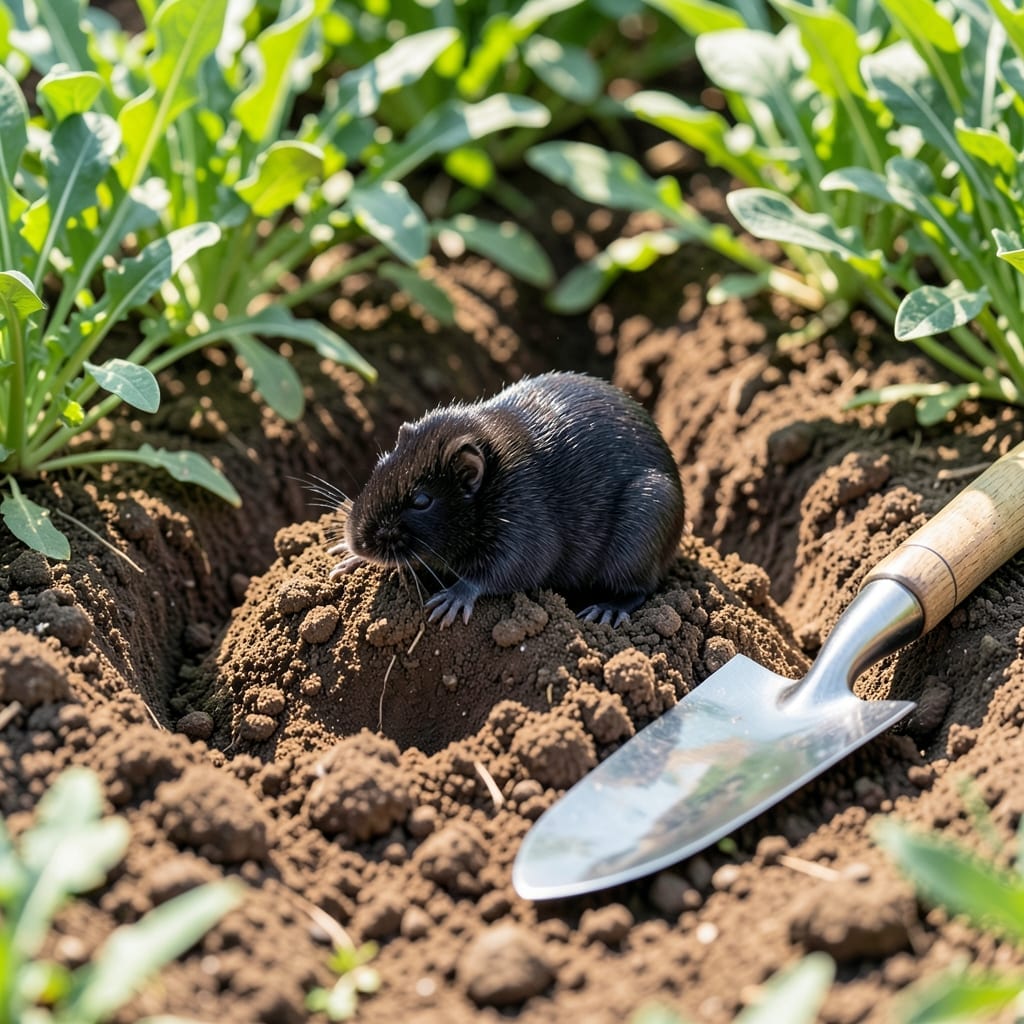
Mounds of dirt overnight mean something’s digging underfoot. I’ve lost entire rows of seedlings to unseen burrowers, and the frustration is real—until you learn to identify the culprit.
Moles, voles, and gophers leave different clues. Moles create raised tunnels but don’t eat plants. Voles chew stems at ground level. Gophers pull whole plants into their holes. Each requires a different defense.
Solutions range from simple barriers to natural predators. Wire baskets protect roots, castor oil deters diggers, and encouraging owls or snakes keeps populations in check.
You’ll reclaim your garden from these underground invaders with a little observation and the right strategy. No more mysterious disappearing plants.
Understanding why creatures burrow helps you address the root of the problem. Here are the primary reasons:
Many animals, like moles and gophers, dig to create safe, underground homes. These burrows protect them from predators, extreme weather, and temperature swings. The soil acts as natural insulation, keeping them cool in summer and warm in winter.
Burrowing is often a hunt for sustenance. Earthworms and grubs attract moles, while squirrels and chipmunks dig to store or retrieve nuts and seeds. Some insects, like cicada nymphs, live underground for years, feeding on tree roots before emerging.
Burrows serve as nurseries for many species. Rabbits and groundhogs dig elaborate tunnels to raise their young, providing a secure environment away from threats. Even some bees and beetles burrow to lay eggs in protected chambers.
When danger looms, burrowing is a quick escape. Mice and voles dart into tunnels to evade birds of prey or gardeners. This survival instinct drives them to create extensive underground networks for rapid retreat.
Dealing with creatures that dig up your garden can be frustrating, but these practical solutions will help you reclaim your space. Here’s how to tackle common burrowing pests:
Moles hate the taste and smell of castor oil. Mix 2 tablespoons of castor oil with 1 gallon of water and a dash of dish soap. Spray this solution over tunnel entrances and affected areas. Reapply after rain. Prevention tip: Reduce grubs (their food source) with beneficial nematodes. 💡
Rats chew through almost anything—except steel wool. Stuff their burrow openings with steel wool, then seal with caulk or concrete. Trim overgrown vegetation nearby to remove hiding spots. Prevention tip: Store compost in sealed bins and eliminate food debris. ✨
Protect garden beds with 1/4-inch mesh chicken wire, burying it 6–12 inches deep to deter digging. For existing holes, fill them with rocks or gravel before covering. Prevention tip: Plant rabbit-resistant species like marigolds or lavender. 🎯
Sprinkle food-grade diatomaceous earth directly onto ant hills. This natural powder dehydrates them without chemicals. Water the area afterward to break down residues. Prevention tip: Keep your garden free of standing water and sweet spills. 🌡️
Consistency is key—combine these fixes with regular yard maintenance to keep burrowers at bay!
Depth varies by species. Moles dig 6-12 inches deep, while gophers can tunnel 2-3 feet down. Rabbits and groundhogs may go 1-2 feet for nesting. Always check for fresh dirt mounds to gauge activity.
No! Earthworms aerate soil and improve drainage. Some beetles and bees also burrow but benefit pollination. Only moles, voles, and gophers typically damage plants. Identify before taking action.
Look for fresh dirt piles or holes at dawn/dusk when animals are active. Press down tunnels—reopened paths within 24 hours indicate active burrows. Use flags to mark spots.
Yes! Castor oil, cayenne pepper, or even used cat litter can repel some pests. Soak cotton balls in peppermint oil and place near holes for a natural barrier.